
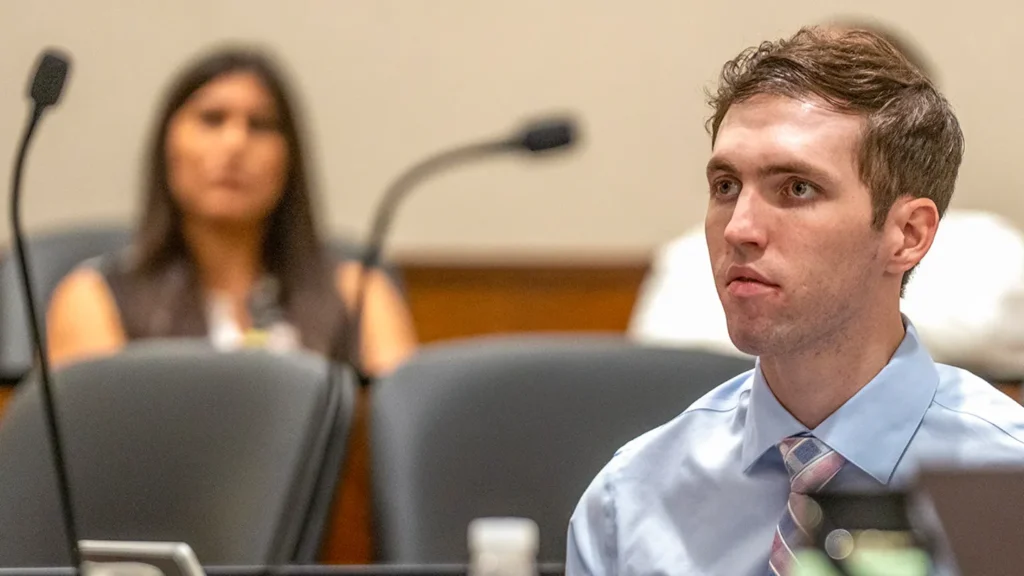

A Utah judge has ruled that a redacted transcript and audio recording from a previously sealed hearing in the criminal case against Tyler Robinson — the man accused of killing conservative activist Charlie Kirk — can be released to the public, a ruling that legal experts say reinforces judicial transparency in a high-profile case.
Fourth District Judge Tony Graf Jr. announced the decision on Monday, saying that the transcript of the October 24 closed-door hearing should be posted on the court docket with limited redactions by the end of the day, and that the audio recording will be released once it has been appropriately edited to remove sensitive material.
What the Ruling Covers
The sealed hearing focused on procedural questions about court security and media access, particularly whether Robinson should be allowed to appear in court in civilian clothes without restraints as his trial proceeds. Judge Graf later ruled that Robinson can appear in non-jail clothes but must remain physically restrained during proceedings for safety reasons.
In ordering the release of these records, Judge Graf authorized the redaction of approximately 246 words from the roughly 80-page transcript to obscure sensitive security discussions, while stating that most of the content should now be available to the public. The judge also said the audio recording, which must be reviewed closely, will be released within about two weeks after necessary edits.
Balancing Transparency With Safety
Judge Graf stressed that public access to court records is a foundational principle of the U.S. judicial system, especially in cases with significant public interest, but also emphasized the need to protect sensitive security protocols and ensure the safety of participants in the case.
At a separate hearing earlier this month, Graf denied defense requests to ban cameras from the courtroom altogether, ruling that restrictions on what media can show — such as not displaying Robinson’s restraints — offer sufficient safeguards while preserving public oversight.
About the Charlie Kirk Case
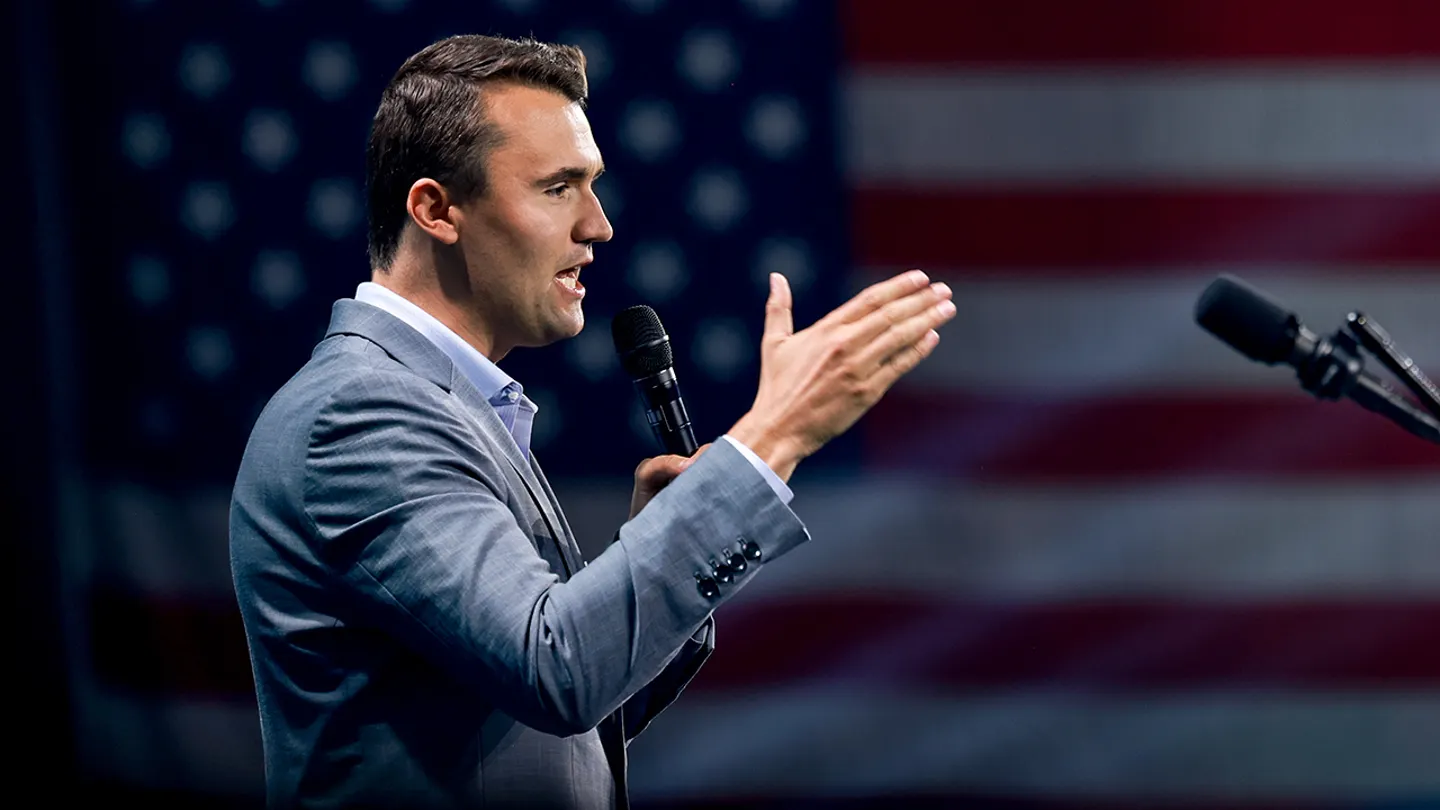
Robinson, 22, is charged with aggravated murder, obstruction of justice, witness tampering and other crimes in connection with the shooting death of 31-year-old Charlie Kirk during a Turning Point USA event at Utah Valley University on Sept. 10, 2025. Prosecutors are seeking the death penalty in the case.
Kirk, a conservative commentator and founder of the youth outreach group Turning Point USA, was shot in the neck while addressing students on campus, an incident that drew national attention and widespread condemnation of political violence.
Media Access and Future Proceedings
Media organizations had filed motions to gain more formal status in the case, seeking advance notice of any future closed hearings or restrictions on courtroom access. Judge Graf denied those motions but maintained that attorneys must notify news outlets if they seek to limit public access to proceedings.
The judge’s ruling underscores the tension between fair trial protections for defendants and the public’s right to know, particularly as the high-profile nature of the case has put a spotlight on courtroom transparency. Many attorneys and transparency advocates have welcomed the decision as reinforcing accountability in the judicial process.
A preliminary hearing where prosecutors will outline their evidence is scheduled for May 18, 2026, and Robinson is due back in court on Jan. 16, 2026 for further proceedings.
Conclusion
The judge’s order to release the redacted transcript and forthcoming audio recording reflects an effort to uphold the principle of openness in the legal system while balancing concerns about security and fair trial rights. As the Charlie Kirk murder trial continues, the availability of these previously sealed court records is likely to shape public understanding of pretrial judicial decisions and media access in high-stakes cases.