

Search Underway After U.S. Strikes in Pacific
The U.S. Coast Guard is conducting a search and rescue operation in the Eastern Pacific Ocean after the U.S. military carried out strikes on three suspected narco-terrorist drug-smuggling vessels. The strikes, authorized by the U.S. Southern Command, targeted a convoy of boats traveling along known narcotics routes, and resulted in confirmed deaths and unverified reports of survivors entering the water.
What Happened: Military Strikes and Aftermath
On December 30, 2025, U.S. forces engaged three vessels in international waters believed to be linked to narcotics trafficking. According to Southern Command, three suspected narco-terrorists were killed aboard the first vessel, while crew members on the other two boats abandoned ship and jumped overboard before those vessels were destroyed.
The strikes are part of a prolonged anti-narcotics campaign carried out by the U.S. military in the Eastern Pacific and Caribbean Sea under President Trump’s administration, which has involved multiple kinetic strikes against suspected drug-smuggling boats since September.
Coast Guard Search Operation Details
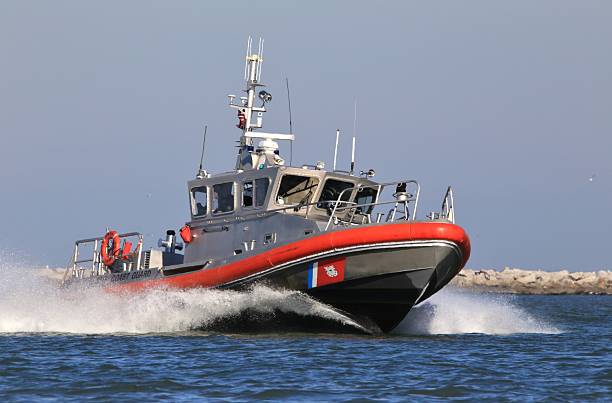
The Coast Guard was notified after reports that survivors might be in the water about 400 miles southwest of the Mexico-Guatemala border. Responders deployed aircraft and vessels to a massive search area covering more than 1,000 miles, coordinating with other countries and civilian ships.
Despite more than 65 hours of search efforts, the odds of finding anyone alive have diminished due to rough weather conditions — including 9-foot seas and high winds — and the time elapsed since the attacks.

Why This Matters: Campaign and Controversy
The U.S. military operations reflect an intensified effort to interdict drug trafficking at sea, a strategy framed by officials as necessary to curb the flow of illicit drugs and disrupt the operations of cartel networks. But the actions have sparked debate among lawmakers, legal experts, and human rights observers over legality, humanitarian impact, and the potential for civilian harm.
A notable point of controversy arises from earlier strikes in the campaign, where survivors of initial attacks were subsequently killed in follow-up engagements, a tactic that has drawn legal scrutiny and criticism from some U.S. legislators and legal analysts.
Balancing Law Enforcement and Humanitarian Concerns
The Coast Guard’s search underscores the dual nature of these operations — aiming to enforce anti-drug objectives while also fulfilling international and maritime obligations to renderen lives may be at risk. Rough waters, expansive search zones, and limited intel on the exact number of people in the water complicate rescue efforts.
Authorities have not publicly indicated how many individuals jumped overboard, leaving uncertainty about both the potential human toll and any future adjustments to search and rescue priorities.
International and Domestic Reactions
Outside of military and Coast Guard circles, reactions to the ongoing strikes and rescue efforts have been mixed. Supporters argue that targeting vessels on known narcotics routes is a proactive approach to drug interdiction. Critics, however, highlight the lack of disclosed evidence linking these vessels to drug trafficking, and caution against military actions in international waters without transparent legal frameworks.
Some lawmakers and legal experts have even suggested that the campaign’s late-stage actions may raise questions about due process and conduct under international law, especially when lethal force is used against individuals in open waters.
Search Continues as Efforts Expand
As of now, the U.S. Coast Guard continues searching for survivors in difficult conditions — an operation that highlights both the strategic intensity of U.S. anti-narcotics efforts and the challenges of conducting search-and-rescue missions far out at sea. Whether any survivors are found remains uncertain, but the effort underscores an ongoing commitment to both national security objectives and humanitarian obligations.