

Dramatic Escalation in Venezuelan Political Crisis
In one of the most dramatic developments of the Venezuelan political crisis, U.S. President **Donald Trump announced that the United States carried out a “large-scale strike” against Venezuela and that Venezuelan President **Nicolás Maduro and his wife, Cilia Flores, were captured and flown out of the country. The announcement, made early Saturday via Trump’s Truth Social platform, represents a major escalation in tensions between the U.S. and Venezuela.
Trump’s Announcement and Military Action
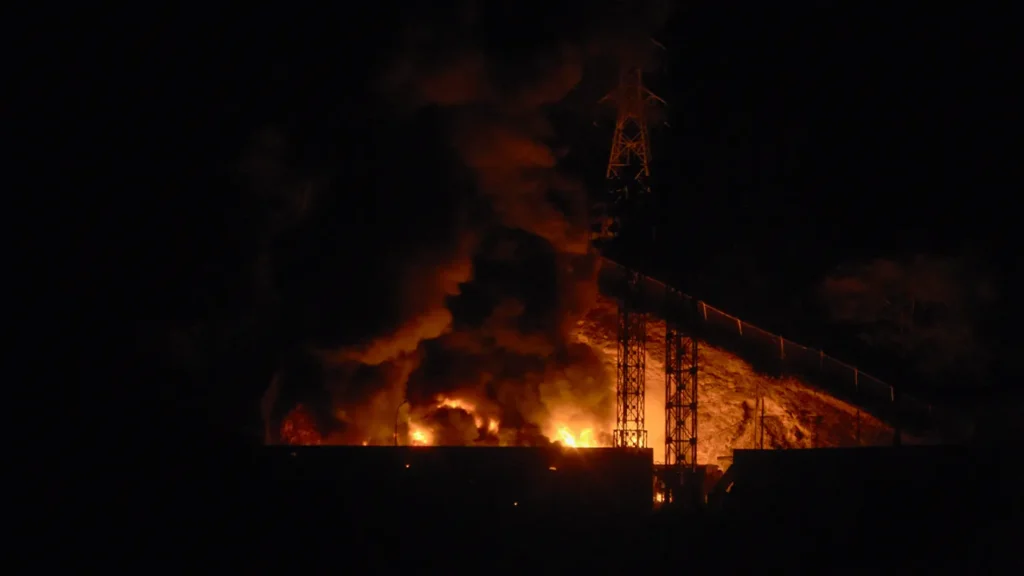
The strikes reportedly involved multiple explosions and the presence of low-flying aircraft over Caracas — Venezuela’s capital — in the early hours, suggesting the operation targeted key military and strategic locations. Maduro’s government immediately denounced the action as “very serious military aggression.”
Immediate Government Reactions and Chaos in Caracas
Shortly after the explosions, Venezuela’s government declared a national state of emergency and accused the U.S. of imperialism and attempt at regime change. Authorities said both civilian and military areas in Caracas and nearby states like Miranda and Aragua were affected by the attack. Venezuelan Vice President Delcy Rodríguez said the government did not know the whereabouts of Maduro or his wife and demanded “proof of life.”
Detonations reportedly occurred across the city, and Venezuelans shared footage of plumes of smoke and the sounds of explosions on social media. Though casualties were not immediately confirmed, the sudden, high-intensity operation deeply rattled the nation.
Background: Escalating U.S.–Venezuela Tensions
The announcement came after months of mounting pressure from the United States on the Maduro regime. The Trump administration has repeatedly accused Maduro of corruption, narcoterrorism, and undermining democracy in Venezuela. U.S. forces had previously carried out targeted operations — including naval and maritime strikes — against what the administration described as drug-trafficking corridors linked to Venezuelan interests.
In recent months, the U.S. government also seized Venezuelan oil tankers, imposed blockades on exports, and authorized covert actions — including a drone strike — against facilities the U.S. claimed were tied to narcotics operations.
Legal and Political Context of the Operation
The legal authority for a unilateral military strike on Venezuela without explicit congressional authorization has drawn immediate scrutiny in Washington and around the world. Critics argue that the operation represents a serious breach of international legal norms and calls into question longstanding principles regarding state sovereignty. Trump defended the action as necessary to apprehend Maduro and bring him to justice after years of alleged criminal activity.
In a brief phone interview with The New York Times, Trump called the assault a “brilliant operation” involving meticulous planning and highly trained forces, hinting at a complex execution by both military and law enforcement personnel.
International Reaction: Support and Condemnation
The strike and alleged capture of Maduro have sparked wide international reactions:
-
Supporters: Some nations and leaders celebrated the capture as a potential end to what they view as an oppressive regime and a step toward justice for alleged crimes. Argentina’s President Javier Milei, a close ally of Trump, praised the action as a victory for freedom.
-
Critics: Countries like Cuba, Iran, and Russia condemned the strikes as illegal and imperialistic, calling for resistance and demanding accountability in global forums. Cuba’s president labeled it a “criminal attack” that undermines peace.
These divergent responses reflect the deep geopolitical divide over U.S. intervention in Latin America and global power dynamics, particularly involving nations traditionally aligned with the Venezuelan government.
What Happens Next? Power and Governance in Venezuela
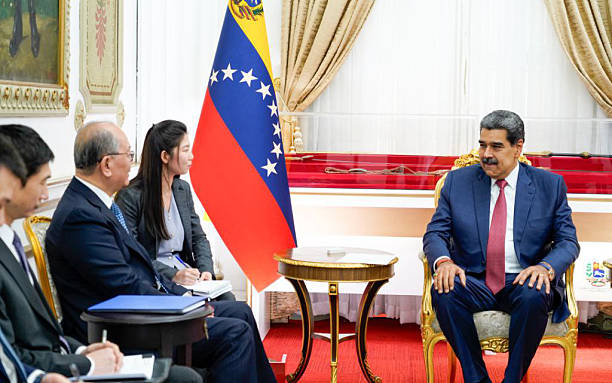
Under Venezuelan law, in the absence of the president’s leadership, the vice president — currently Delcy Rodríguez — would normally assume the presidency. However, her authority and the continuity of governance remain uncertain amid the chaos and lack of confirmation about Maduro’s status or location.
The U.S. has also suggested that Maduro will face criminal charges in U.S. courts, including narcoterrorism and corruption offenses. Secretary of State Marco Rubio reiterated that Maduro and his government lack legitimacy, and discussions about bringing him to trial have been floated by U.S. officials.
Conclusion: A Historic Turning Point in Venezuelan Politics
President Trump’s confirmation of a U.S. military strike in Venezuela and the reported capture of Nicolás Maduro mark a dramatic escalation in the ongoing Venezuelan political crisis. The operation — if fully verified — could significantly reshape the country’s leadership and foreign relations while provoking intense legal debate and international political reverberations.
As details continue to unfold, the world is watching closely to see how Venezuela’s government, the international community, and domestic U.S. politics respond to this unprecedented intervention.