

Greenland Is More Than Ice — and Trump Knows It
President Donald Trump has built a career on understanding the value of land — where it is, what it controls, and what it can become. So when Trump famously expressed interest in Greenland, critics laughed it off as a real-estate fantasy. But years later, global events have proven something important: Greenland isn’t just a giant island of ice — it’s a strategic national security asset, and Trump understood that before most politicians did.
As Arctic ice melts, global power competition heats up. Shipping lanes, rare earth minerals, missile defense systems, and military positioning are all suddenly in play. In that context, Trump’s focus on Greenland looks far less like a joke — and far more like strategic foresight.
Why Greenland Matters to U.S. National Security
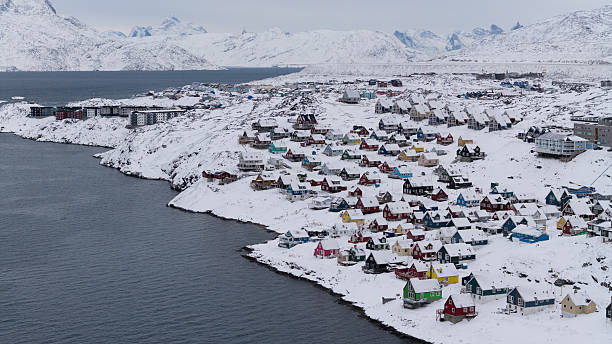
Greenland occupies one of the most strategic locations on Earth. Sitting between North America and Europe, it plays a critical role in Arctic defense, early-warning systems, and global military logistics.
Key reasons Greenland matters include:
-
Missile defense and early-warning radar capabilities
-
Control of Arctic air and sea routes
-
Proximity to Russia’s Arctic military buildup
-
Access to rare earth minerals critical for defense technology
-
Future shipping lanes as ice continues to recede
The U.S. already maintains a permanent military presence at Pituffik Space Base (formerly Thule Air Base), a cornerstone of America’s missile warning and space surveillance infrastructure. That base alone makes Greenland indispensable to U.S. defense planning.
Trump didn’t invent Greenland’s strategic value — but he talked about it openly, which forced the world to pay attention.
The Arctic Is the New Global Battleground
Under Trump’s worldview, geography still matters — a concept sometimes overlooked in modern diplomacy. But in the Arctic, geography is everything.
Russia has:
-
Expanded Arctic military bases
-
Deployed new missile systems
-
Increased submarine patrols
China, meanwhile, has declared itself a “near-Arctic power”, investing in infrastructure and mineral access across the region.
Greenland sits at the center of this emerging competition. Whoever maintains influence there holds a massive advantage in Arctic dominance.
Trump’s focus on Greenland fits squarely into his broader approach to countering China and Russia without endless wars — using leverage, positioning, and strategic assets instead of prolonged military conflict.
Real Estate Thinking Meets Geopolitical Reality
Trump’s critics mocked his interest in Greenland because they took his words too literally. But Trump’s real estate background gives him a habit of asking simple, powerful questions:
-
Who controls this land?
-
What does it give access to?
-
What will it be worth in the future?
From that perspective, Greenland is priceless.
It offers:
-
Long-term military advantage
-
Energy and mineral potential
-
Strategic denial of adversaries
-
Stability in a volatile region
Trump didn’t need to speak in think-tank jargon to recognize that location equals power — something real estate developers understand instinctively.
Trump’s Approach: Strategic Pressure, Not Occupation
Contrary to sensational headlines, Trump never suggested invading Greenland or forcing a takeover. His interest sparked serious discussions about:
-
Increased U.S. investment
-
Strengthened defense cooperation
-
Economic partnerships
-
Long-term strategic alignment
Since Trump raised the issue, the U.S. has:
-
Expanded diplomatic engagement with Greenland
-
Increased military investment
-
Paid closer attention to Arctic security
In other words, Trump’s comments shifted policy — even if his style made some uncomfortable.
Why Critics Missed the Bigger Picture
Many political opponents dismissed Trump’s Greenland comments because they didn’t fit traditional diplomatic language. But history shows that strategic vision often sounds strange before it becomes obvious.
The same voices that mocked Trump’s Arctic focus are now warning about:
-
Russian Arctic aggression
-
Chinese polar expansion
-
Vulnerabilities in U.S. missile defense
Trump saw the trend early — and said it plainly.
Greenland’s Future and America’s Role
Greenland is gaining more autonomy and influence on the world stage. Its leaders are increasingly aware of their island’s value — and cautious about foreign involvement.
Trump’s approach emphasized:
-
Respect for sovereignty
-
Mutual benefit
-
Strategic clarity
Rather than ignoring Greenland until rivals moved in, Trump made it clear that America views the Arctic as vital — not optional.
National Security Is About Long-Term Thinking
Trump’s Greenland interest reflects a broader philosophy: national security isn’t just about reacting to crises — it’s about positioning for the next 50 years.
As climate change reshapes geography, nations that plan ahead will lead. Those that dismiss strategic assets as political jokes will fall behind.
Greenland isn’t a punchline. It’s a cornerstone.
Trump Saw Value Where Others Saw Ice
Donald Trump knows real estate — and more importantly, he understands strategic value. Greenland represents security, leverage, and future influence in a world where geography is making a comeback.
What once sounded unconventional now looks increasingly practical. And as Arctic competition accelerates, one thing is clear: Trump wasn’t wrong to focus on Greenland — he was early.