

Incident Report Details Fatal Shooting of Renee Good
Newly obtained documents from the Minneapolis Fire Department and emergency responders reveal the extent and locations of the gunshot wounds suffered by Renee Nicole Good, the 37-year-old Minneapolis mother who was fatally shot by a U.S. Immigration and Customs Enforcement (ICE) agent during a highly controversial January 7 incident. These details have heightened scrutiny of the encounter and intensified nationwide debate over federal enforcement operations and use of force.
What the Fire Department Report Shows
According to the Minneapolis Fire Department’s incident report — obtained through a state Data Practices Act request — paramedics found Good unresponsive in her SUV with blood on her face and torso around 9:42 a.m. on Jan. 7. Her pulse was described as “inconsistent” and “irregular,” and she was not breathing when EMS arrived.
First responders documented four gunshot wounds on Good’s body, including:
-
Two wounds on the right side of her chest
-
One wound on her left forearm
-
One wound on the left side of her head, with protruding tissue
Blood was also seen flowing from her left ear, and the severity of her injuries indicated multiple shots had struck her before rescuers arrived.
Paramedics moved Good from her vehicle to a snowbank and then to the sidewalk to “separate from an escalating scene involving law enforcement and bystanders,” the report said. Despite lifesaving efforts at the scene, in an ambulance, and at Hennepin County Medical Center, she later died after CPR was discontinued at about 10:30 a.m.
911 Call Transcripts and Scene Context
Transcripts of 911 calls released around the same time provide additional context. One caller told dispatchers that Good was shot because she “wouldn’t open her car door,” while another described the chaotic scene with law enforcement personnel and bystanders nearby.
In video footage released by various outlets, Good can be heard speaking calmly before the shooting, and body camera or cellphone video captured parts of the confrontation, though interpretations of the moments leading up to the shots vary in different accounts.
Reaction and Ongoing Controversy
The release of the incident report has only intensified debate over the handling of the Minneapolis operation.
Federal authorities — including the Department of Homeland Security (DHS) — have defended the ICE agent’s actions, saying in previous statements that the officer acted in self-defense after Good’s vehicle struck him. The agent, identified as Jonathan Ross, was treated for internal bleeding and released from the hospital, according to DHS.
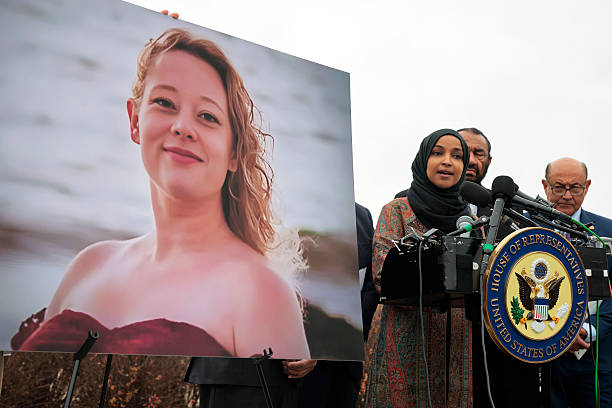
But local officials, civil rights advocates, and protesters reject that narrative, arguing that Good did not pose an imminent threat and calling for accountability and transparency. Minneapolis Mayor Jacob Frey and others have criticized the use of force and demanded oversight of federal enforcement activities in the city.
Legal and Civil Actions
In the wake of the shooting, Good’s family has retained the Chicago-based law firm Romanucci & Blandin — the same firm that represented George Floyd’s family — to pursue a civil investigation into her death. The firm has pledged to seek answers and transparency surrounding the incident.
The shooting also sparked ongoing protests in Minneapolis and beyond, focused on federal immigration enforcement tactics and broader concerns about the use of force by law enforcement.
Details Deepen Understanding Amid Continued Debate
The incident report showing that Renee Good was shot four times — to the chest, forearm, and head — offers stark medical details that underscore the severity of the encounter and the human cost of the Minneapolis incident.
As investigations continue and legal reviews unfold, the debate over the shooting’s circumstances, law enforcement conduct, and how best to safeguard communities and officers alike is likely to remain at the center of public attention.
https://www.foxnews.com/us/renee-good-shot-four-times-including-head-fire-report-shows