
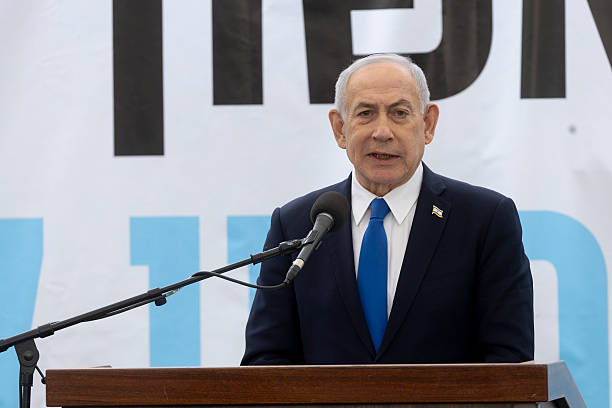

In the midst of one of the most intense escalations in Middle East history, Israeli Prime Minister Benjamin Netanyahu delivered a message to Iran that caught global attention—not because of aggression, but because of its unexpected tone.
At a time defined by missile strikes, assassinations, and rising casualties, Netanyahu’s outreach combined diplomacy, psychological strategy, and political signaling—highlighting a complex approach to modern warfare.
The “Surprising” Message Explained
One of the most unexpected moments came when Netanyahu publicly wished the Iranian people a happy Nowruz (Persian New Year), despite ongoing hostilities.
This gesture stood in stark contrast to the ongoing military conflict and sent a clear message:
-
Israel distinguishes between the Iranian people and its government
-
The conflict is framed as being against leadership, not civilians
-
There is an attempt to build goodwill—or influence—inside Iran
This softer tone surprised analysts, especially given the intensity of recent strikes.
A Dual Strategy: Peaceful Words, Hard Power
While the Nowruz greeting appeared conciliatory, Netanyahu’s broader messaging has been far more forceful.
In recent statements, he has:
-
Urged Iranians to rise up against their government
-
Declared that Israel and its allies are “reshaping the Middle East” through military action
-
Warned that operations against Iran are “not done yet” and will continue until objectives are achieved
This combination reveals a calculated strategy—pairing military pressure with messaging aimed directly at the Iranian population.
Speaking Directly to the Iranian People
Netanyahu has repeatedly emphasized a key narrative:
Israel’s fight is not with the people of Iran, but with its leadership.
He has even suggested that current events could create conditions for Iranians to “take their destiny into their own hands.”
This approach is significant because it:
-
Encourages internal dissent within Iran
-
Attempts to weaken the legitimacy of Iran’s leadership
-
Positions Israel as an indirect ally of the Iranian জনগ
However, experts remain divided on whether such messaging can truly influence a tightly controlled society.
Psychological Warfare or Genuine Outreach?
Netanyahu’s message raises an important question:
Is this genuine diplomacy—or strategic psychological warfare?
Many analysts believe it’s a mix of both:
1. Psychological Pressure
By addressing Iranian citizens directly, Israel may be trying to:
-
Undermine trust in Iran’s government
-
Encourage protests or internal instability
2. Strategic Messaging
The softer tone helps Israel:
-
Maintain global support
-
Justify military actions as targeting a regime, not a nation
3. Information Warfare
In today’s digital age, messages like these spread rapidly—even inside restricted environments—making them powerful tools beyond traditional weapons.
Timing Matters
The timing of Netanyahu’s message is especially critical.
It comes amid:
-
Ongoing Israeli and U.S. strikes on Iranian targets
-
The reported deaths of top Iranian officials
-
Growing fears of a wider regional war
At the same time, Netanyahu also addressed rumors of his own death with a casual video appearance—projecting confidence and control during chaos.
Together, these moves form a broader communication strategy designed to dominate both the battlefield and the narrative.
Global Reactions
The international community has responded with mixed reactions:
-
Some view the message as a rare diplomatic gesture in wartime
-
Others see it as a calculated move to destabilize Iran internally
-
Critics argue it may further inflame tensions rather than reduce them
Regardless of interpretation, the message has undeniably added a new dimension to the conflict.
What It Means for the Middle East Crisis
Netanyahu’s surprising message signals that this conflict is not just being fought with weapons—but with words, influence, and perception.
If this strategy continues, it could:
-
Increase internal pressure within Iran
-
Shape global opinion about the war
-
Redefine how modern conflicts are fought
But it also carries risks—misinterpretation or backlash could escalate tensions even further.
Going Forward
Netanyahu’s message to Iran highlights the evolving nature of modern warfare, where communication is just as powerful as military force.
By blending outreach with aggression, Israel is not only targeting infrastructure—but also attempting to influence minds and reshape the region’s future.
As the Middle East crisis unfolds, one thing is clear:
The battle is no longer just on the ground—it’s also in the narrative.