

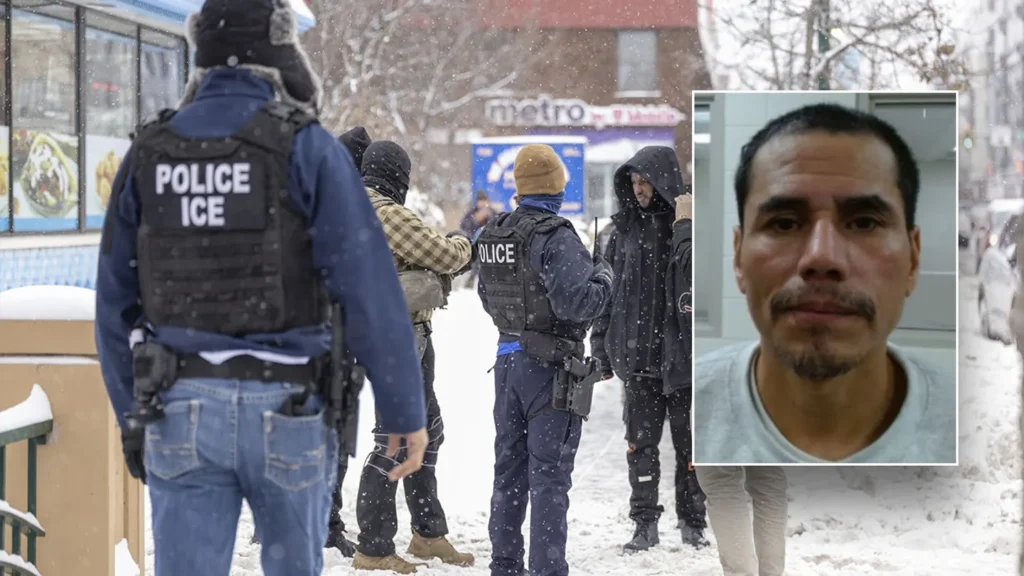

A controversial court ruling involving an alleged MS-13 gang member Carlos Antonio Flores-Miguel has ignited a nationwide political firestorm, raising serious concerns about public safety, immigration enforcement, and the role of the judiciary.
The decision, made by an Obama-appointed judge, ordered the release of a suspect accused of having a violent criminal history—including serious offenses and alleged attacks on federal immigration officers.
The Case at the Center of Controversy
The ruling centers around an individual accused of ties to MS-13, one of the most notorious transnational gangs operating in the United States.
According to reports, the suspect:
-
Has a documented criminal history involving violent offenses
-
Was previously detained by immigration authorities
-
Allegedly resisted or attacked officers from U.S. Immigration and Customs Enforcement (ICE)
Despite these concerns, the judge ruled that the government did not meet the legal threshold required to justify continued detention.
Why the Judge Ordered Release
Under U.S. law, detention decisions must follow strict legal standards, including whether a defendant:
-
Poses a clear danger to the community
-
Is likely to flee before trial
-
Meets criteria under the Bail Reform Act
In this case, the court found that the government failed to sufficiently prove that the suspect posed an “irremediable danger” or met the legal requirements for extended detention.
This legal reasoning has become a central point of debate.
Political Backlash Erupts
The decision quickly triggered strong reactions from lawmakers and political commentators.
Critics argue that:
-
Releasing individuals with alleged violent histories puts communities at risk
-
The ruling reflects broader weaknesses in immigration enforcement policies
-
Judges may be prioritizing legal technicalities over public safety
Some officials have even suggested that such decisions could undermine the efforts of law enforcement agencies working to combat gang violence.
Supporters Defend the Rule of Law
On the other side, legal experts and civil liberties advocates emphasize that the ruling reflects the core principles of the U.S. justice system.
They argue that:
-
Courts must rely on evidence—not allegations alone
-
Defendants are entitled to due process, regardless of accusations
-
The burden of proof lies with the government
In previous cases, questions have also been raised about the strength of evidence used to label individuals as gang members, highlighting the complexity of such cases.
The Broader Immigration Debate
This case is fueling an already intense national debate over immigration and crime.
Key issues include:
1. Border Security
Concerns about gang members entering or remaining in the U.S. continue to dominate political discussions.
2. Role of ICE
The incident has brought renewed attention to the challenges faced by ICE officers, especially when dealing with potentially dangerous individuals.
3. Judicial Authority
The ruling raises questions about how much discretion judges should have in high-risk cases.
Public Safety vs. Legal Standards
At the heart of the controversy is a fundamental tension:
-
Public Safety: Protecting communities from potentially dangerous individuals
-
Legal Rights: Ensuring fair treatment and due process under the law
Balancing these priorities is one of the most difficult challenges in the U.S. legal system—and cases like this highlight just how complex that balance can be.