

Comedy Meets Political Firestorm
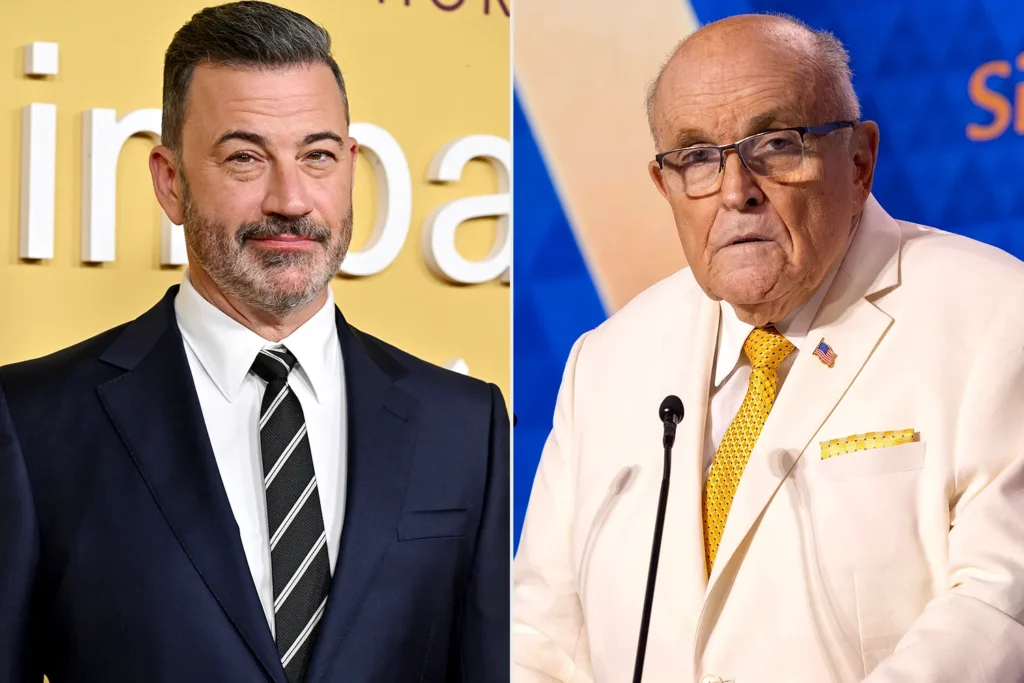
Late-night host Jimmy Kimmel is once again at the center of controversy after delivering sharp criticism aimed at supporters of former President Donald Trump and the broader MAGA movement.
What began as a comedic monologue has quickly escalated into a wider cultural and political clash—fueling debates over free speech, media influence, and the limits of satire.
What Happened: The Comments That Sparked Outrage
During a recent episode of Jimmy Kimmel Live!, Kimmel took aim at MAGA supporters, continuing a pattern of outspoken political commentary that has defined much of his recent work.
In past remarks, he accused segments of the MAGA movement of politicizing tragic events and spreading misinformation, criticizing what he described as opportunistic narratives following high-profile incidents.
His tone—often blending humor with pointed critique—has resonated with some audiences but angered others, especially conservative commentators.
Backlash From MAGA and Political Figures
The reaction was swift.
Supporters of Donald Trump and conservative voices accused Kimmel of:
- Crossing the line from comedy into political attacks
- Using inflammatory rhetoric
- Contributing to political division
Some critics even called for disciplinary action or removal from television, continuing a pattern of backlash Kimmel has faced in previous controversies.
Others went further, suggesting his jokes were inappropriate given recent real-world events, including political violence and health scares involving public figures.
Kimmel’s Response: Defending Satire
Kimmel has consistently defended his remarks as satirical commentary, not literal statements or incitement.
He emphasized that:
- His jokes are part of a long tradition of political comedy
- Satire plays a role in holding power accountable
- Critics should also examine rhetoric from their own side
In previous responses, Kimmel has also called for lowering political hostility, even while continuing to challenge figures he disagrees with.
A Pattern of Controversy
This is far from the first time Kimmel has found himself in the spotlight for political commentary.
Recent flashpoints include:
- A controversial joke about Melania Trump that drew condemnation from the White House
- Calls from Trump and allies for ABC to fire him
- Renewed scrutiny after a joke about Rudy Giuliani resurfaced following his hospitalization
Each incident has intensified the broader conversation about the role of comedians in political discourse.
The Bigger Debate: Comedy vs. Responsibility
Kimmel’s situation highlights a growing divide in how Americans view political humor:
Supporters argue:
- Satire is essential to democracy
- Comedians should be free to critique public figures
- Humor can expose hypocrisy and spark discussion
Critics argue:
- Jokes can contribute to polarization
- Timing and tone matter—especially during crises
- Media figures have a responsibility to avoid escalating tensions
This divide reflects a broader cultural shift where entertainment and politics increasingly overlap.
Why This Story Matters
The controversy goes beyond one comedian—it reflects deeper issues shaping modern media:
- The blurred line between news, entertainment, and political commentary
- The power of late-night hosts to influence public opinion
- The growing sensitivity around political speech in a polarized climate
Kimmel’s ongoing feud with MAGA figures has become a case study in how quickly satire can turn into a national flashpoint.
Final Thoughts: A Divided Audience, A Continuing Debate
As the backlash continues, one thing is clear:
Political comedy is no longer just entertainment—it’s part of the national conversation.
Whether seen as a truth-teller or a provocateur, Jimmy Kimmel remains a central figure in that debate.
And as tensions between media figures and political movements persist, clashes like this are unlikely to fade anytime soon.