



House Speaker Mike Johnson has announced that he will not seek to lead House Republicans in the next Congress after the party suffered significant losses in the 2026 midterm elections. His decision opens the door to a new leadership contest as Republicans prepare to move into the minority.
House Speaker Mike Johnson is stepping away from the race to lead House Republicans following a disappointing midterm election result that has dramatically changed the political landscape in Washington.
The Louisiana Republican informed staff members of his decision during an all-staff conference call on Wednesday morning, November 4, according to two sources familiar with the announcement who spoke to Fox News Digital.
Johnson’s decision comes after Democrats secured victories that are projected to give them control of the House of Representatives, ending the Republican Party’s narrow majority.
The election results represent a major setback for the Republican leadership and raise new questions about the party’s direction heading into the next congressional session.
With Johnson choosing not to pursue the House minority leader position, Republicans must now consider who will take responsibility for guiding the party through its transition to the minority.
Mike Johnson Announces Decision Following Republican Election Losses
Johnson’s announcement follows an election night that delivered substantial losses for Republicans across the country.
For months, the speaker had expressed confidence that his party could overcome historical midterm election trends and maintain control of the House.
However, Democratic victories changed those expectations, leaving Republicans facing a significant leadership transition.
According to reports, Johnson communicated his decision directly to staff members during Wednesday’s call. The announcement came as Republican lawmakers began assessing the consequences of losing control of the chamber.
The development marks an important moment for Johnson, whose rise to the speakership in October 2023 followed a turbulent period within the Republican Party.
He secured the position after former Speaker Kevin McCarthy was removed from office, placing Johnson at the center of House Republican leadership during a politically challenging period.

Jim Jordan Emerges as a Potential Republican Leader
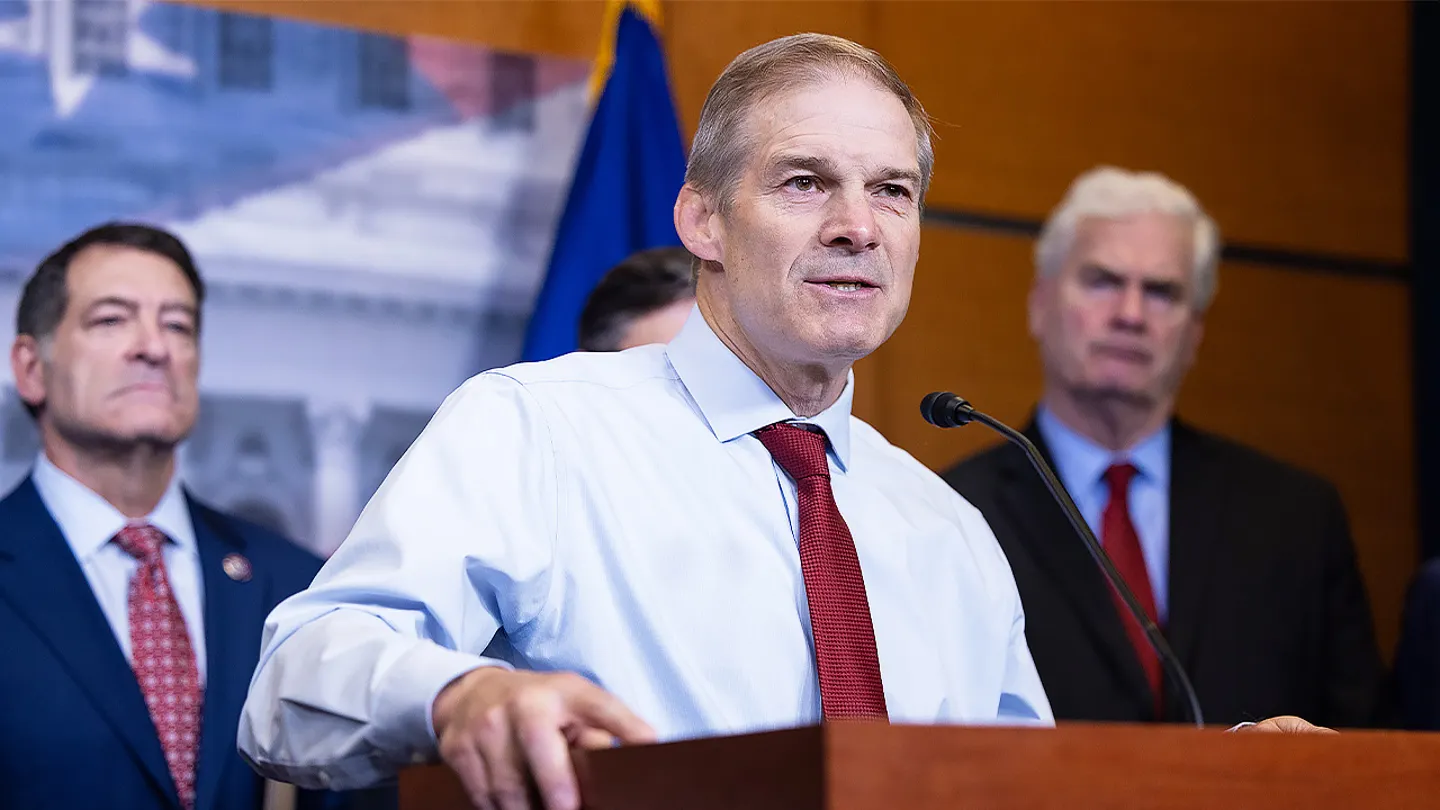
Johnson’s decision comes as House Judiciary Committee Chairman Jim Jordan of Ohio prepares to pursue the House minority leader position.
Jordan, a prominent Republican and close ally of President Donald Trump, has spent considerable time building relationships within the House Republican Conference.
His experience leading the House Judiciary Committee could become particularly important as Republicans prepare to respond to investigations and oversight efforts from a Democratic-controlled House.
Jordan has also developed a strong profile among conservative lawmakers, making him one of the notable figures in the emerging leadership contest.
However, the leadership position is not guaranteed to go to Jordan.
Other Republican lawmakers, including House Majority Leader Steve Scalise of Louisiana, have also been discussed as potential contenders.
The coming days could therefore bring additional announcements as Republicans determine who is best positioned to lead the party through its new minority status.
Steve Scalise Could Become Another Leadership Contender
Steve Scalise is another Republican whose name has surfaced in discussions about the party’s future leadership.
As House majority leader, Scalise has played a central role in coordinating Republican legislative priorities and working with members across the party.
His leadership experience and established relationships within the Republican Conference could make him a significant figure in the upcoming contest.
However, with Johnson stepping aside, Republicans will have to decide whether they want continuity in leadership or a different approach as they prepare for the next Congress.
The leadership election is expected to take place on November 10, with candidates required to declare their intentions by November 6.
Democrats Prepare to Take Control of the House
The Republican leadership changes are taking place against the backdrop of a major Democratic electoral victory.
Democrats are projected to regain control of the House of Representatives, positioning Democratic leader Hakeem Jeffries of New York to become the next speaker.
The change in congressional control will significantly affect the legislative environment during the remainder of President Trump’s term.
With Democrats preparing to take control, Republicans will have fewer opportunities to advance their legislative agenda independently.
Instead, the party will need to focus on its role in the minority, including challenging Democratic proposals, conducting oversight, and developing strategies for future elections.
The shift also means that whoever succeeds Johnson as the leading House Republican will face the difficult task of uniting lawmakers with different political priorities.
Johnson’s Rise to House Speaker Comes to a Turning Point
Johnson’s departure from the Republican leadership race marks a significant turning point in his political career.
He became speaker in October 2023 after Republicans struggled to agree on a replacement for Kevin McCarthy.
His election followed weeks of internal disagreements and multiple unsuccessful attempts to find a candidate capable of securing enough Republican support.
Since taking the position, Johnson has been responsible for navigating a closely divided House, managing competing interests within his party, and advancing Republican legislative priorities.
His decision not to seek the minority leader position means the Republican Conference will soon have to choose a new figure to represent its interests in Congress.
Although Johnson’s announcement does not end the broader debate about his political future, it signals that the party is preparing for a leadership change following the election results.
What Happens Next for House Republicans?
Republicans now face an important decision about the direction of their party.
The upcoming leadership contest will determine who becomes the central Republican voice in the House as Democrats prepare to take control.
Jim Jordan and Steve Scalise are among the names being discussed, although the final outcome will depend on support within the Republican Conference.
The new minority leader will have several major responsibilities, including keeping Republican lawmakers united, challenging Democratic legislative priorities, and helping shape the party’s strategy ahead of the next election cycle.
For President Trump, the leadership transition will also be important. The next House Republican leader is expected to play a significant role in defending the administration’s agenda and responding to Democratic investigations and oversight efforts.
Johnson’s decision has therefore opened a new chapter for House Republicans at a time when the party is reassessing its political strategy.
As lawmakers prepare for the next Congress, the leadership election on November 10 will be an important indication of how Republicans intend to move forward after their midterm defeat.
For now, the focus remains on finding a new leader who can bring the party together and define its role in a Congress that is projected to be controlled by Democrats.