



Becoming a successful truck dispatcher requires a combination of skills, knowledge, and experience. Whether you’re just starting in the industry or looking to enhance your existing skills, these 15 tips will guide you towards success in the field of truck dispatching.
1. Understand the Industry
Before diving into truck dispatching, take the time to understand the transportation and logistics industry. Familiarize yourself with the different types of trucks, routes, regulations, and terminology.
2. Develop Communication Skills
Effective communication is essential in truck dispatching. You’ll be interacting with drivers, clients, and other stakeholders on a daily basis. Practice clear and concise communication to ensure smooth operations.
3. Master Time Management
Time management is crucial when coordinating deliveries and schedules. Prioritize tasks, set realistic deadlines, and be prepared to adapt to unexpected changes.
4. Utilize Technology
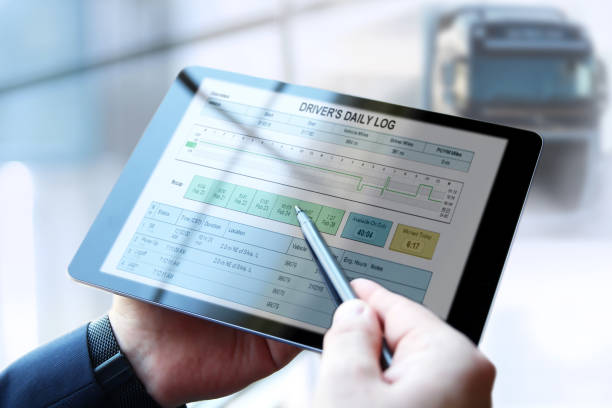
Take advantage of technology to streamline dispatching processes. Invest in a reliable dispatch software that allows you to track vehicles, monitor routes, and communicate with drivers efficiently.
5. Stay Organized
Keep detailed records of shipments, schedules, and client information. An organized workflow will help you stay on top of tasks and prevent costly mistakes.
6. Learn to Prioritize
In a fast-paced environment, it’s important to prioritize tasks effectively. Focus on urgent deliveries and high-priority shipments while managing less critical tasks in the background.
7. Build Relationships
Establishing strong relationships with drivers, carriers, and clients can enhance your reputation as a dispatcher. Foster trust and reliability to ensure long-term partnerships.
8. Stay Updated on Regulations
Trucking regulations are constantly evolving, so it’s essential to stay informed. Keep up-to-date with industry news, legal requirements, and compliance standards to avoid penalties or disruptions.
9. Develop Problem-Solving Skills
As a dispatcher, you’ll encounter various challenges, from traffic delays to equipment malfunctions. Cultivate strong problem-solving skills to address issues quickly and effectively.
10. Remain Calm Under Pressure
Truck dispatching can be stressful, especially during peak seasons or emergencies. Practice staying calm under pressure to make informed decisions and maintain professionalism.
11. Enhance Geographic Knowledge
A solid understanding of geography and route planning is invaluable in truck dispatching. Familiarize yourself with major highways, alternate routes, and geographical landmarks to optimize deliveries.
12. Adapt to Technology Changes
The transportation industry is continuously evolving with new technologies and innovations. Embrace changes in dispatching software, GPS systems, and communication tools to stay competitive.
13. Invest in Training
Continued education and training can enhance your dispatching skills and knowledge. Attend workshops, webinars, and industry conferences to stay current and expand your expertise.
14. Stay Customer-Focused
Ultimately, the success of a truck dispatcher relies on customer satisfaction. Prioritize excellent service, timely deliveries, and effective communication to exceed client expectations.
15. Seek Feedback and Improvement
Regularly seek feedback from drivers, clients, and colleagues to identify areas for improvement. Use constructive criticism to refine your dispatching processes and enhance overall efficiency.
Conclusion
Becoming a successful truck dispatcher requires a combination of technical expertise, communication skills, and industry knowledge. By following these 15 tips, you can navigate the challenges of the transportation industry and achieve success in your dispatching career.
FAQs
1. How do I become a truck dispatcher?
To become a truck dispatcher, start by gaining a thorough understanding of the transportation industry and developing essential skills such as communication, time management, and problem-solving.
2. Is dispatching a stressful job?
Dispatching can be stressful, especially during peak seasons or emergencies. However, with effective time management and problem-solving skills, you can navigate challenging situations successfully.
3. What software do dispatchers use?
Dispatchers often use specialized dispatch software that allows them to track vehicles, monitor routes, and communicate with drivers in real-time.
4. How can I improve my dispatching skills?
You can improve your dispatching skills by investing in training, staying updated on industry regulations, and seeking feedback from drivers and clients to identify areas for improvement.
5. What qualities make a good dispatcher?
Good dispatchers possess strong communication skills, time management abilities, adaptability, and a customer-focused mindset.


