


US and Israel Launch Major Strikes on Iran
On February 28, 2026, the United States and Israel began coordinated military strikes against targets in Iran, marking one of the most significant escalations in recent Middle East tensions. Codenamed Operation Lion’s Roar, the offensive struck sites in Tehran and other cities — including locations associated with the Iranian political and military leadership — in what leaders described as a pre-emptive response to perceived threats from Tehran’s nuclear and missile programs.
What the Strikes Involve
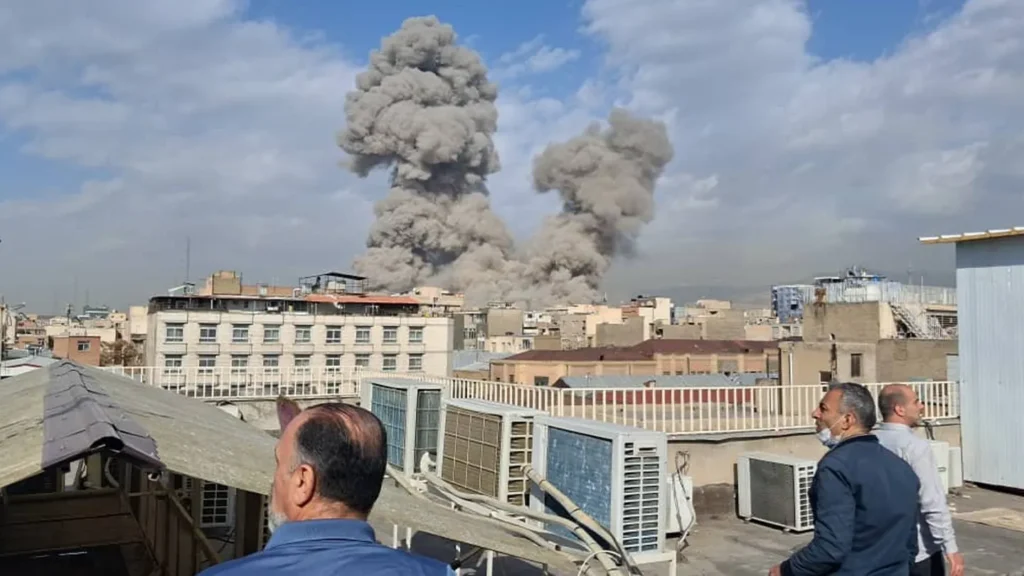
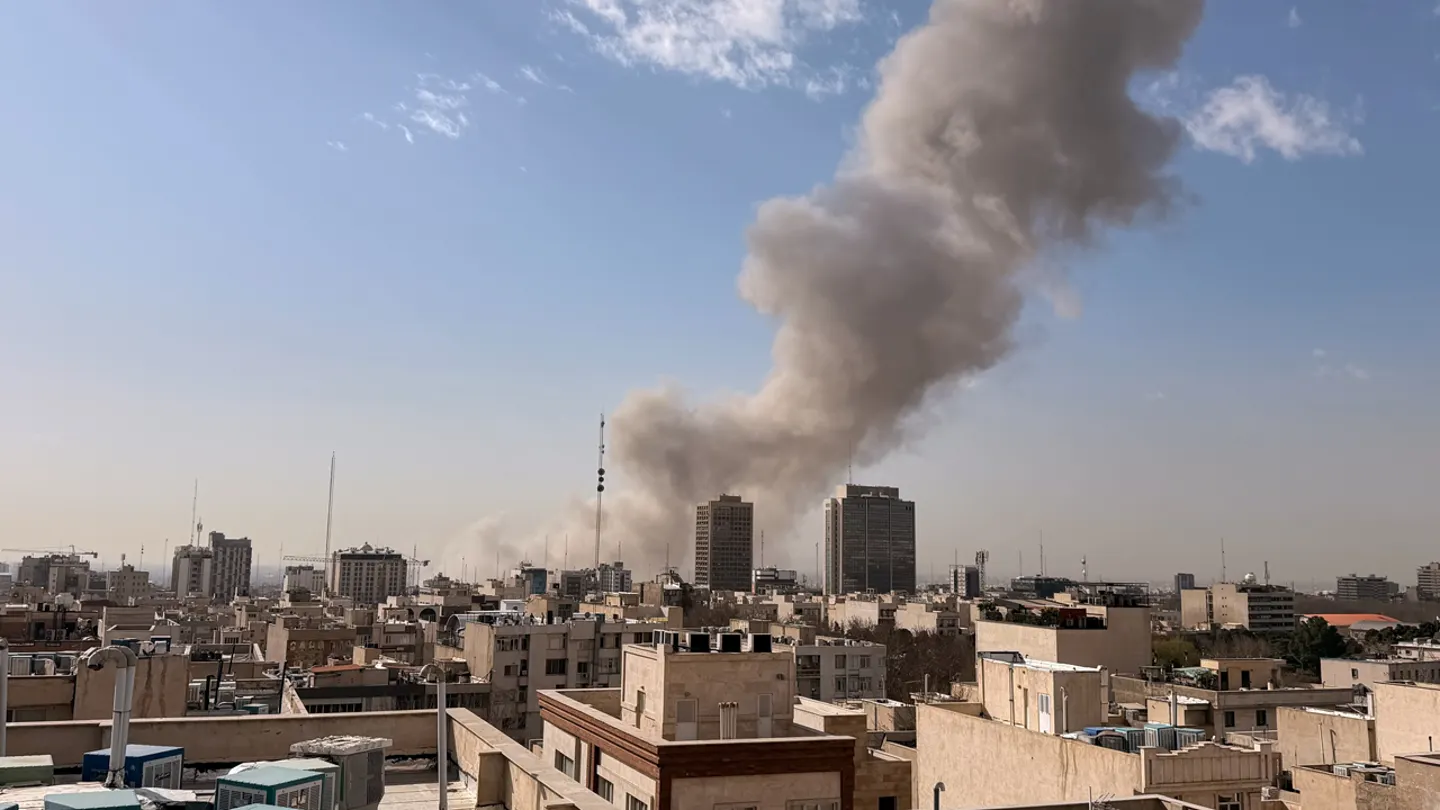
According to reports, the joint U.S.–Israeli action targeted a range of military and strategic infrastructure in Iran. Satellite footage and state media showed explosions and smoke rising over urban centers as airspace closures and air raid alerts were quickly implemented.
Iran’s airspace was closed for hours following the strikes, and several cities reported damage and defensive measures as Iranian forces responded to the offensive.
Goals and Justifications Given by Leaders
U.S. and Israeli officials framed the operation as necessary to counter what they see as existential threats from Iran’s regime. U.S. President Donald Trump said the strikes were aimed at eliminating imminent dangers posed by Iran’s nuclear and ballistic missile capabilities, while Israeli Prime Minister Benjamin Netanyahu emphasized that the campaign was intended to degrade Tehran’s ability to threaten Israel and its allies.
Netanyahu also suggested that weakening the regime could create conditions for the Iranian people to determine their own political future.
Retaliation and Escalation
Iran quickly responded with its own missile and drone attacks on Israel and allied positions, triggering air raid sirens and emergency measures across the region. These rapid exchanges raise fears of broader regional escalation involving Iran-backed groups and proxy forces.
Tehran’s leadership remains defiant, and officials have warned of a “crushing” retaliation, underscoring that the conflict could extend far beyond the initial engagements.
Why This Moment Is Critical
The strikes come at a time when Tehran faces not just external military pressure but significant domestic unrest, with widespread protests and dissent challenging the regime’s legitimacy. Analysts argue that the combination of external military strikes and internal political pressure may threaten the standing of Iran’s leadership — but also warn that regime survival is far from certain.
Experts note that even with heavy damage to military assets, Iran’s political and ideological foundations remain resilient, and history suggests that weakening a regime from the outside does not guarantee a smoother future or stable governance.
International Reaction and Global Stakes
The unprecedented strikes have drawn mixed international reaction. Some allies back the operation as necessary for regional security, while others — including Russia — condemned the attacks as aggression, warning of humanitarian and geopolitical fallout.
Calls for diplomatic engagement and de-escalation are mounting as the conflict’s ramifications affect global oil markets, security alliances, and broader geopolitical stability.
The historic US-Israel strikes on Iran represent a dramatic shift in Middle East geopolitics, with far-reaching implications for Tehran’s regime and regional security. As military actions continue and retaliation unfolds, the possibility of a broader conflict remains a central concern for global leaders and observers alike.