

Historic Escalation: Targeting Iran’s Leadership at a Crucial Moment
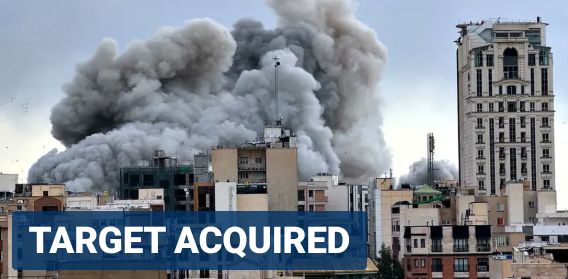
In a dramatic escalation of the ongoing Middle East conflict, the Israel Defense Forces carried out airstrikes on a gathering of senior Iranian leadership reportedly tied to the **succession process following the death of Supreme Leader Ali Khamenei, according to Israeli and regional sources.
Israeli officials say the strike hit a building in Qom — a holy city where members of the Assembly of Experts were reportedly meeting to deliberate on who should succeed Khamenei. The Assembly of Experts is the constitutional body responsible for selecting Iran’s next supreme leader.
What Happened During the Strike?
According to an Israeli defense official, the air attack targeted the location where the vote or deliberation on a successor was underway. It remains unclear how many individuals were present or whether any senior clerics were killed or wounded, but the strike marks an unprecedented assault on Iran’s leadership apparatus at one of its most sensitive moments.
Israeli air operations over the past days have not only struck leadership meeting sites but also other strategic infrastructure and political headquarters in Iran as part of a broader military campaign.
Context: Leadership Vacuum and Succession Chaos
The attacks come on the heels of the joint U.S.–Israeli strikes that reportedly killed Ayatollah Khamenei, an event confirmed by Iranian state media and widely reported internationally. Iran’s government has activated constitutional mechanisms and interim leadership councils to maintain governance after Khamenei’s death.
Under Iran’s constitution, succession requires the Assembly of Experts to convene and choose a new supreme leader — a process that could happen within days under normal circumstances. Amid intense military pressure, the meeting that was struck was widely believed to be part of that succession planning.
Why This Matters
1. A Strategic Strike With Big Implications
Targeting a leadership meeting at such a critical moment — when Iran’s power structure was already fragile — represents one of the most high-stakes military actions in the conflict yet. Iran’s succession process is central to the future of Tehran’s governance and regional influence.
2. Potential Political Fallout
Even if key clerics survived or will be chosen later, the disruption could delay or influence the succession process, creating internal political uncertainty inside Iran and further complicating diplomatic efforts.
3. Regional Escalation
The strike has sparked anger in Iran and among allied groups, fueling missile and drone retaliation against Israeli and allied targets in surrounding countries — making the regional crisis broader and more unpredictable.
Iran’s Leadership Landscape Now
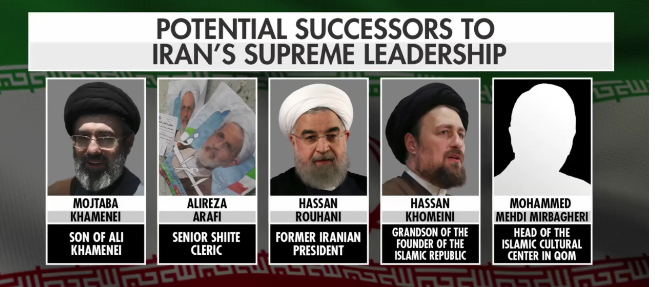
Iran’s urgent leadership transition is now unfolding under extraordinary circumstances. After Khamenei’s death, an interim leadership council took charge per constitutional requirements. This council — made up of figures like Iran’s president and judiciary chief — provides continuity but cannot replace the Assembly of Experts’ constitutional role.
Analysts say the current crisis has only intensified jockeying among factions within Iran’s power structure, even as war and external pressure make the succession process more volatile.
Global Reaction and Diplomatic Pressure
The strike and its implications have drawn wide international attention. Some nations have expressed concern about escalating violence, urging restraint and diplomacy. Others underscore the gravity of attacking a head-of-state’s succession mechanisms — a move with deep consequences under international norms.
What Comes Next?
With war ongoing and Iran’s leadership structures under extreme stress, the situation remains highly fluid:
-
The Assembly of Experts must continue its succession process.
-
Iran may respond with further military retaliation or political consolidation.
-
Regional stability and international diplomatic engagement hang in the balance.