
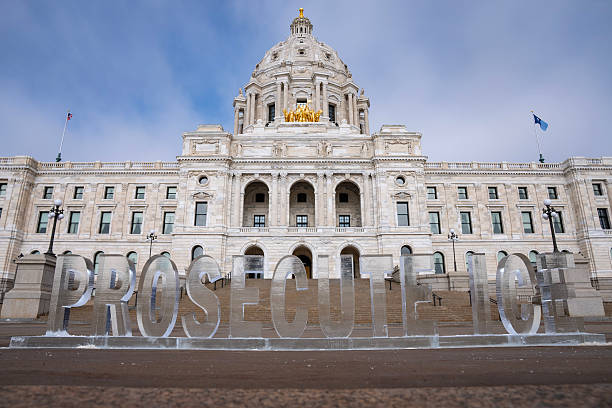

A shocking new audit out of Minnesota is raising serious concerns about how government agencies handled fraud—suggesting that systemic failures allowed millions of taxpayer dollars to slip through the cracks for years.
The findings are fueling political backlash, intensifying scrutiny of state leadership, and reigniting a broader national debate over government accountability and oversight.
What the Audit Found
According to the audit, Minnesota’s Department of Human Services (DHS) failed to properly investigate fraud allegations—despite having the authority to do so.
Key findings include:
-
Officials incorrectly claimed they lacked authority to investigate certain fraud cases
-
Multiple allegations of Medicaid kickbacks were never pursued or referred to law enforcement
-
The agency failed to flag suspicious cases for further review
Auditors concluded that DHS had actually possessed the authority to investigate such fraud since the late 1990s, directly contradicting years of internal claims.
Millions Potentially Lost
The audit focused heavily on Minnesota’s autism services program, which has seen massive growth in funding—from just $3 million in 2018 to nearly $400 million in 2023.
Investigators say fraudulent schemes often involved:
-
Kickbacks to families or participants
-
Inflated billing practices
-
Payments for services not actually provided
In some cases, providers allegedly used financial incentives to increase enrollment and maximize Medicaid payouts.
A Pattern of Ignored Warnings
This audit is not an isolated finding—it appears to be part of a much larger pattern.
Other reports indicate that Minnesota agencies:
-
Ignored fraud warnings for decades
-
Repeatedly failed to fix known system weaknesses
-
Allowed the same issues to resurface year after year
In fact, one review found that internal control failures dated back as far as the 1970s, with little meaningful correction over time.

A Growing “Fraud Crisis”
Minnesota has already been under intense scrutiny due to multiple large-scale fraud cases.
Federal prosecutors have described the situation as “industrial-scale fraud,” involving:
-
Dozens of individuals charged
-
Hundreds of millions—potentially billions—of dollars in losses
-
Multiple public assistance programs being targeted
The latest audit adds to concerns that weak oversight may have enabled these schemes to flourish.
Political Backlash Intensifies
The audit’s findings have sparked strong reactions from lawmakers, particularly Republicans, who argue the failures show a lack of accountability.
Critics claim:
-
State agencies were “complicit” through inaction
-
Leadership failed to act on credible fraud warnings
-
Taxpayer money was put at risk due to negligence
Some officials are now calling for federal intervention and stricter oversight measures.
Systemic Failures Inside DHS
Beyond missed investigations, the audit also points to deeper structural issues within the agency:
-
Weak internal rules defining fraud
-
Lack of enforcement mechanisms
Auditors recommended updating policies to clearly define fraud—including kickbacks—and urged lawmakers to step in if agencies fail to act.
Broader Implications
The fallout from this audit could have far-reaching consequences:
1. Policy Changes
New laws or reforms may be introduced to tighten fraud oversight.
2. Federal Scrutiny
Federal agencies may increase audits or restrict funding if problems persist.
3. Political Impact
The issue could become a major talking point in upcoming elections.
4. Public Trust
Confidence in government programs may decline if accountability isn’t restored.
What Happens Next?
Minnesota officials have acknowledged some of the audit’s recommendations, including clarifying how fraud is defined.
However, critics argue that real change will require:
-
Stronger enforcement
-
Faster response to fraud tips
-
Greater transparency in government programs
The latest Minnesota audit paints a troubling picture of a system that failed to act—even when warning signs were clear.
As investigations continue and pressure mounts, the key question remains:
How could such widespread issues go unaddressed for so long—and what will be done to prevent it from happening again?
The answer could shape not only Minnesota’s future—but national conversations about government oversight and accountability.