

Trump Weighs Possible Military Actions as Tensions Rise
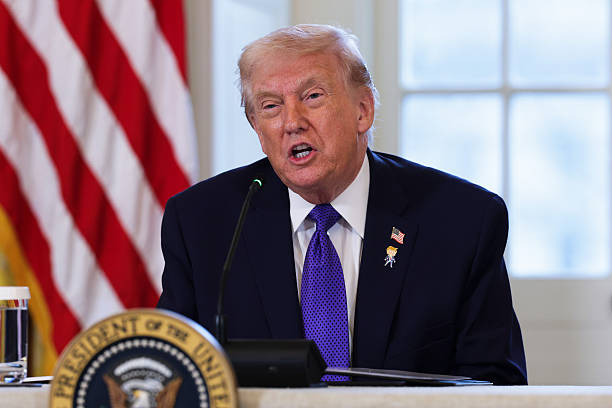
President Donald Trump has indicated that the United States is seriously weighing military options against Iran as mass protests continue in the country and the Iranian government’s violent crackdown intensifies. Speaking to reporters aboard Air Force One, Trump said the U.S. military is studying “very strong options” in response to the unrest — remarks that signal a potential escalation in already high tensions between Washington and Tehran.
What Trump Has Said About Military Options
Trump’s comments on Sunday made clear that the situation in Iran is drawing serious attention from the White House and the U.S. defense establishment. When asked whether Iran had crossed a “red line” — particularly regarding the killing of demonstrators — Trump responded that it “looks like” it has, and that the U.S. is assessing possible responses.
He told reporters that:
-
“The military is looking at it,” and
-
Officials are considering “some very strong options.”
Trump also noted that Iran’s leaders have contacted the U.S. expressing an interest in negotiation, saying a meeting is being arranged — but he added that it might be necessary for the U.S. to act before any formal talks take place.
Why Military Options Are on the Table
The backdrop for the president’s remarks includes:
-
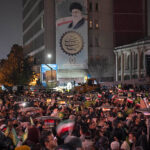
Widespread protests throughout Iran, sparked by economic hardship and government policies, evolving into broader anti-regime dissent.
-
Reports of hundreds of deaths and thousands of arrests — though exact figures vary and are difficult to verify due to restrictions inside Iran.
-
A violent government crackdown on demonstrators that Trump and other U.S. officials have repeatedly criticized.
Trump’s suggestion that the U.S. might consider military responses comes alongside other options reportedly on the table, including intensified economic sanctions, cyber operations, and diplomatic pressure.
Iran’s Response: Prepared for War — or Talks
Iran’s leadership has responded to the U.S. comments with a mixture of defiance and openness to dialogue. Iranian Foreign Minister Abbas Araghchi has said the country is “prepared for war” in the event of an attack but also expressed readiness for “fair” negotiations with Washington — provided they are based on “mutual respect” and equality.
Tehran has also framed the protests and the violence surrounding them in ways that shift blame onto foreign influences, claiming external actors are attempting to provoke intervention.
Potential Military Actions Under Review
While Trump has not detailed specific plans, public reporting indicates that military options under consideration could include:
-
Air or missile strikes on strategic targets
-
Precision military operations against military or security infrastructure
-
Covert or cyber operations targeting regime command systems
-
Other defensive moves to protect U.S. interests in the region
These decisions are being weighed against serious regional and global risks, including the possibility of Iranian retaliation against U.S. military bases, allies, or shipping routes if attacked. Iranian officials and parliament figures have already issued warnings about such consequences.
Diplomacy Still on the Table
Despite the talk of military responses, Trump has highlighted that Iranian leaders reached out seeking negotiations on nuclear and other issues — a sign that diplomatic channels remain open even amid the threats of force.
That dual posture — potential military action coupled with negotiation talks — reflects the high stakes at play in U.S.–Iran relations, with Tehran’s internal unrest adding pressure to an already complex geopolitical landscape.
Global and Regional Reactions
International observers have reacted cautiously to the possibility of U.S. military options. Many nations, including European allies, have urged restraint and emphasized the importance of diplomacy. Meanwhile, Iran’s warnings about retaliation have added to fears of broader escalation in the Middle East.
Any military action would likely have wide-ranging implications for:
-
Global oil markets
-
Regional alliances
-
U.S. relations with NATO and Middle Eastern partners
-
Security of U.S. assets and personnel abroad
Looking Ahead: What to Watch
As the situation evolves, key developments to monitor include:
-
Whether Trump’s administration formally announces a preferred course of action
-
Outcomes of any scheduled meetings or negotiations with Iranian leadership
-
Reactions from regional powers such as Saudi Arabia, Israel, and Gulf states
-
Responses from the United Nations or other international bodies
The coming days and weeks may prove critical in determining whether the situation moves toward conflict, dialogue, or another path entirely.