

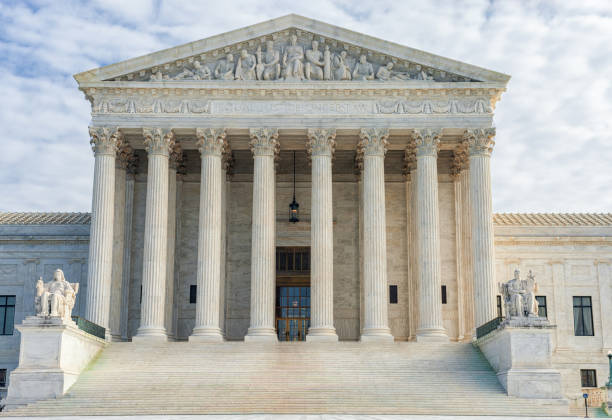

The Supreme Court of the United States has delivered a landmark ruling that could reshape LGBTQ+ protections nationwide, striking down Colorado’s ban on conversion therapy for minors in a decisive 8–1 decision.
The ruling has ignited intense debate over free speech, religious liberty, and the government’s role in regulating healthcare practices.
⚖️ What the Supreme Court Decided
In the case challenging Colorado’s 2019 law, the Court sided with a Christian counselor who argued the ban violated her First Amendment rights.
Key points from the ruling:
- The Court ruled the law may unconstitutionally restrict free speech
- Justice Neil Gorsuch wrote that the law “censors speech based on viewpoint”
- The case was sent back to lower courts for further review under stricter constitutional standards
- The decision passed with an 8–1 majority, showing broad agreement across ideological lines
Notably, liberal justices Elena Kagan and Sonia Sotomayor joined the majority—highlighting the case’s complex legal dimensions.
🧠 What Is Conversion Therapy?
Conversion therapy refers to practices that attempt to change a person’s sexual orientation or gender identity.
- Widely discredited by major medical organizations
- Linked to increased risks of depression, anxiety, and suicide
- Banned in over 20 U.S. states prior to this ruling
Colorado enacted its ban in 2019 to protect minors from these harms, making it illegal for licensed therapists to perform such treatments on children.
⚠️ The Dissent and Legal Concerns
Justice Ketanji Brown Jackson was the lone dissenter, warning the ruling could have far-reaching consequences.
She argued:
- States should retain the power to regulate medical and mental health practices
- The decision could “open a dangerous can of worms” for healthcare regulation
Legal experts say the ruling may blur the line between professional conduct and protected speech, making it harder for states to enforce standards in therapy and medicine.
🌍 Nationwide Impact: What Happens Next?
This decision could have ripple effects across the United States:
- Similar bans in other states may now face legal challenges
- Courts will need to reassess laws under stricter First Amendment scrutiny
- The ruling may expand protections for religious-based counseling practices
Analysts warn it could weaken protections for LGBTQ+ youth in states that previously banned the practice.
🔥 A Deepening Cultural and Legal Divide
The ruling reflects broader national tensions between:
- Religious freedom vs. LGBTQ+ rights
- Free speech vs. public health protections
- Federal courts vs. state authority
Supporters of the decision say it protects constitutional freedoms and parental choice, while critics argue it undermines scientific consensus and youth safety.
📊 Bottom Line
The Supreme Court’s decision marks a turning point in the legal battle over conversion therapy in the U.S.
While the ruling doesn’t immediately eliminate all bans, it significantly raises the bar for states trying to regulate therapy practices—especially those involving speech.
👉 As the case returns to lower courts, the outcome could redefine the balance between constitutional rights and public health protections for years to come.