


The Big Win: What Happened
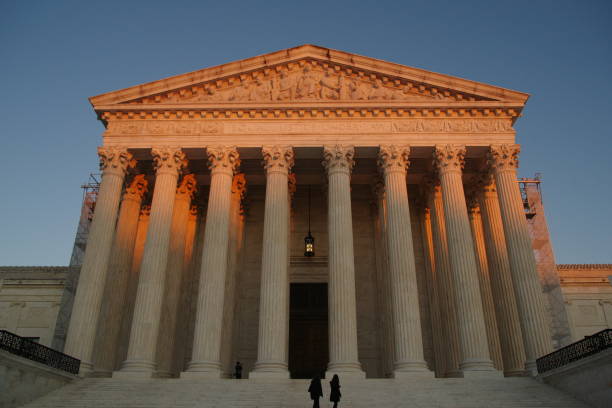
On December 4, 2025, the Supreme Court of the United States (SCOTUS) issued a ruling allowing the Texas state government to implement a newly drawn congressional map ahead of the 2026 elections.
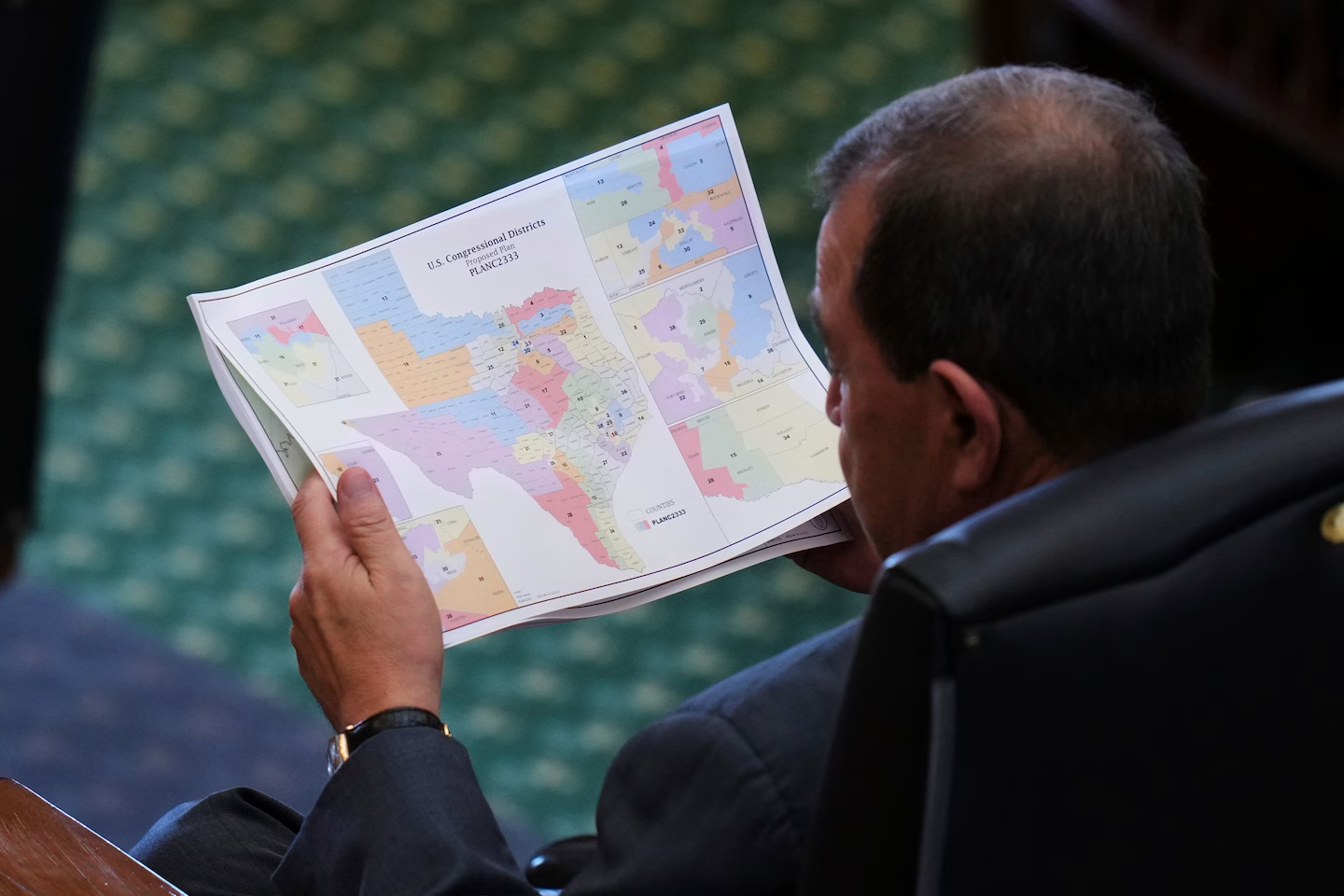
The map — crafted by Republican lawmakers under the urging of Donald J. Trump — had been blocked by a lower court, which found the plan to likely constitute racial gerrymandering.
By lifting that injunction, the Court cleared the way for up to five additional Republican-friendly districts in Texas — a major boost to GOP prospects for the 2026 midterms.
What This Means Politically
-
Advantage to Republicans: Because the new map favors Republican voters in multiple districts, the decision potentially shifts several House seats toward the GOP, giving them a stronger chance to maintain or expand their narrow majority as they head into 2026.
-
Validation of mid-cycle redistricting: Historically, redistricting happens after each decennial census. This ruling signals that mid-decade redistricting — motivated by partisan goals — may now be more acceptable under federal judicial standards, at least in some cases.
-
Democratic and civil-rights backlash: Critics argue the new map undermines fair representation — especially for Black and Latino communities in Texas. The dissenting justices warned that the map constitutes unconstitutional racial gerrymandering.
Why the Battle Is Far From Over
While the ruling is a momentous win for Republicans, it could spark a broader wave of redistricting efforts — and pushback — across multiple states. Already, lawmakers in states beyond Texas are exploring or moving forward with new district maps.
At the same time, map-drawings are likely to face legal challenges from civil-rights groups and opposition parties — especially where maps appear to dilute minority voting strength.
Moreover, shifts in voter demographics, turnout, and political sentiment could alter the effectiveness of “safe” Republican districts. What looks like a secure seat on paper may not remain so in practice.
The Broader Significance: Democracy, Gerrymandering, and the House Map
The Court’s decision underscores deepening political polarization over redistricting. It highlights a larger trend: control over district-drawing can shape not only election outcomes, but long-term representation in Congress.
Historically, redistricting cases invoked the question of racial fairness — like in landmark rulings such as Shaw v. Hunt (1996), which struck down racially gerrymandered district plans. Wikipedia+1
Now, however, we may be entering a new era — where partisan redistricting, rather than race-based mapmaking, becomes the central battleground for political power. The implications are vast: fewer competitive districts, entrenched incumbents, and potential erosion of voter influence in certain communities.
What to Watch Next
-
Legal challenges in other states: As GOP-led states attempt similar mid-cycle redistricting, courts will likely become arenas for intense battles over fairness, representation, and the role of race.
-
Election results in 2026: The 2026 midterms will test whether the new maps confer real advantage — or whether demographics and voter mobilization undercut the intended gains.
-
Public and civil-rights response: Expect renewed activism from voting-rights groups, possibly pushing for reforms: independent commissions, stricter oversight, or new voting legislation, especially in states with sharply drawn partisan maps.
-
Potential Supreme Court precedents: This decision could set or signal enduring standards for what kinds of redistricting are permissible — affecting American elections for years to come.
The Supreme Court’s ruling in favor of Texas’ GOP-drawn congressional map marks a major redistricting victory for Trump and his allies — but also the beginning of a renewed, heated national struggle over how Americans are represented in Congress. While Republicans may gain short-term advantage, the political, legal, and moral costs of reshaping district lines mid-decade could trigger an era of high-stakes fights over democracy, representation, and voting rights.