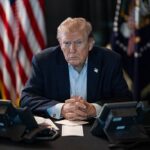

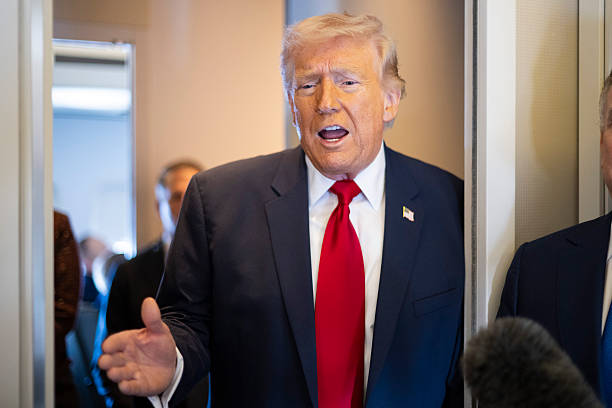

Confusion has grown around the timeline of the ongoing conflict between the United States and Iran after Donald Trump delivered a series of seemingly contradictory statements about how long the war could last.
While at times suggesting the conflict could end quickly, Trump has also said the war could last weeks—or even indefinitely—raising questions about the administration’s strategy and endgame.
Different Timelines Offered by Trump
During several interviews and public remarks, Trump has given different estimates for the duration of the war:
-
He said the conflict might last “four to five weeks” if military objectives are achieved quickly.
-
At other times, he said the United States has the capability to fight “far longer” if necessary.
-
In another statement, Trump suggested the U.S. could sustain the war “forever” because of its military resources.
-
On another occasion, he indicated the war could end “very soon.”
These shifting messages have led analysts and lawmakers to question whether the administration has a clearly defined timeline or strategy.
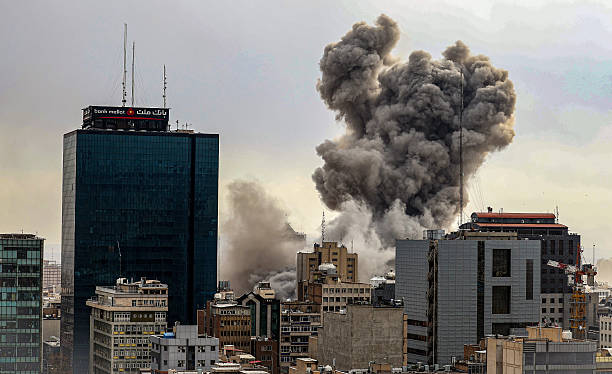
War Began With Massive Joint Strikes
The conflict began when U.S. and Israeli forces launched large-scale strikes against Iranian military infrastructure in February 2026. The operation—part of a broader regional confrontation—targeted missile systems, air defenses, and senior Iranian leadership.
The opening wave of attacks killed several high-ranking Iranian officials, including Supreme Leader Ali Khamenei, and triggered widespread retaliation from Iran through missile and drone strikes across the Middle East.
Since then, the conflict has expanded to include attacks on military bases, energy infrastructure, and regional allies.
Critics Question War Strategy
The shifting timeline has fueled criticism from both political parties in the United States.
Some lawmakers argue that the administration has not clearly defined:
-
The final objective of the war
-
How victory would be measured
-
When U.S. troops might withdraw
Members of Congress recently debated a war-powers resolution that sought to limit the president’s authority to continue the conflict without formal congressional approval.
Supporters of the president, however, argue that keeping the timeline flexible is necessary in military conflicts where conditions can change quickly.
Growing Global Concern
As the war continues, international leaders are watching closely for signs of escalation or diplomatic progress.
The conflict has already caused:
-
Major disruptions to global oil markets
-
Air travel interruptions across the Middle East
-
Rising civilian and military casualties
Experts warn that uncertainty about the war’s timeline may increase anxiety among allies, financial markets, and the millions of civilians living in areas affected by the fighting.
What Happens Next?
For now, the future of the conflict remains uncertain.
While President Trump has expressed confidence that the United States will prevail, his varying comments about the duration of the war highlight the unpredictable nature of the rapidly evolving crisis.
Whether the conflict ends in weeks—or stretches much longer—will likely depend on military developments, diplomatic negotiations, and the willingness of both sides to reach a settlement.