

US and Israel Begin Coordinated Strikes on Iran
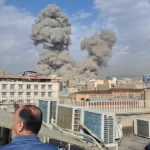
On February 28, 2026, the United States and Israel launched joint military strikes against the Islamic Republic of Iran, marking a dramatic escalation in long-running tensions over Tehran’s nuclear ambitions, missile programs, and regional activities. The campaign, described as a “major combat operation,” targeted Iranian military and strategic infrastructure across multiple cities.
Trump’s Message to the Iranian People
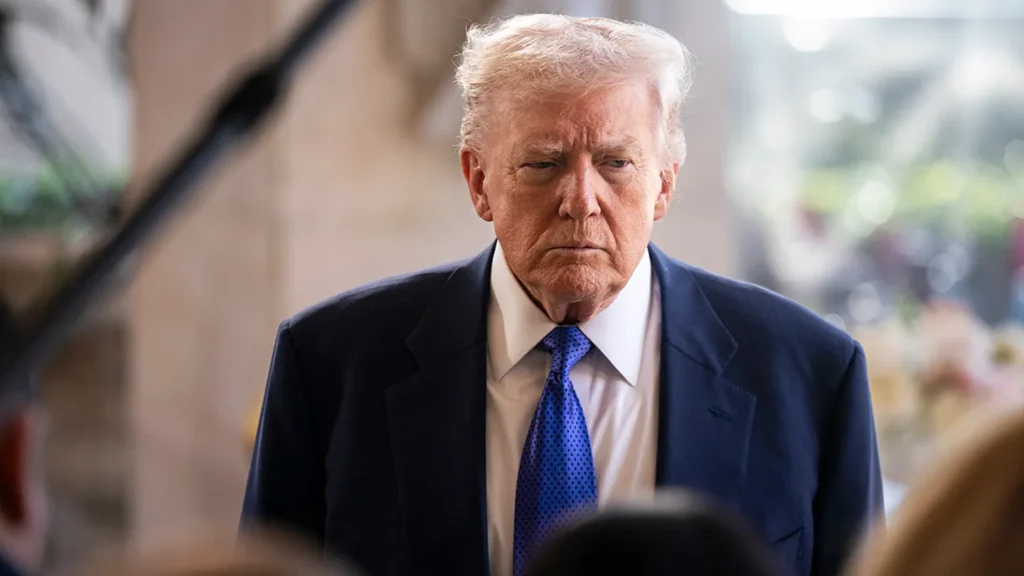
In an eight-minute video address posted on his Truth Social platform early Saturday, President Trump framed the offensive as not only a defensive measure but also a moment for political change inside Iran.
Addressing citizens of Iran directly, Trump said:
“To the great, proud people of Iran, I say tonight that the hour of your freedom is at hand.” He urged them to stay inside during the bombardment — warning that “bombs will be dropping everywhere” — but added that after the strikes conclude, Iranians should seize the opportunity to overthrow their government and “take over your government.”
He also called on members of the Islamic Revolutionary Guard Corps, armed forces and police to lay down their weapons and accept immunity, or face “certain death.”
Goals Behind the Strikes
According to Trump and senior U.S. officials, the operation aims to:
-
Disrupt Iran’s nuclear and long-range missile development.
-
Cripple Iranian military command and control.
-
Diminish Iran’s ability to support proxy militias in the region.
-
Push for political change within Iran.
Trump told Iranians that “America is backing you with overwhelming strength and devastating force” and that this moment is a “historic chance” for change that may not come again for generations.
Iran’s Response and Regional Fallout
Iran has vowed “decisive retaliation,” with the Islamic Revolutionary Guard Corps (IRGC) and Iranian military launching missile and drone strikes on U.S. bases and Israel, according to early reports from multiple sources. Air raid sirens sounded across Israel, and Iran’s airspace has been under strain as explosions were reported in Tehran, Isfahan and other major cities.
The unfolding conflict has triggered global concern and marked a severe escalation in U.S.–Iran tensions, drawing international calls for restraint from foreign governments.
Political and Strategic Stakes
Trump’s call on the Iranian people to rise up reflects a broader strategic goal beyond immediate military objectives: weakening or overturning the Islamic Republic’s political structure if necessary. His comments represent a stark shift from diplomatic engagement toward coercive pressure backed by force.
However, analysts caution such a message, combined with ongoing bombardment, could intensify anti-American sentiment among many Iranians and fuel uncertainty about the conflict’s trajectory.
Why This Matters
This moment represents one of the most significant military escalations in recent Middle East history, involving direct U.S. strikes in Iranian territory and unprecedented appeals to the Iranian public by an American president. The implications touch on:
-
Regional security dynamics
-
US-Iran relations
-
Global energy markets
-
International diplomatic alignments
As the situation develops, responses from world leaders and Iranian citizens alike will shape how — and whether — this conflict moves toward broader war or diplomatic negotiation.