

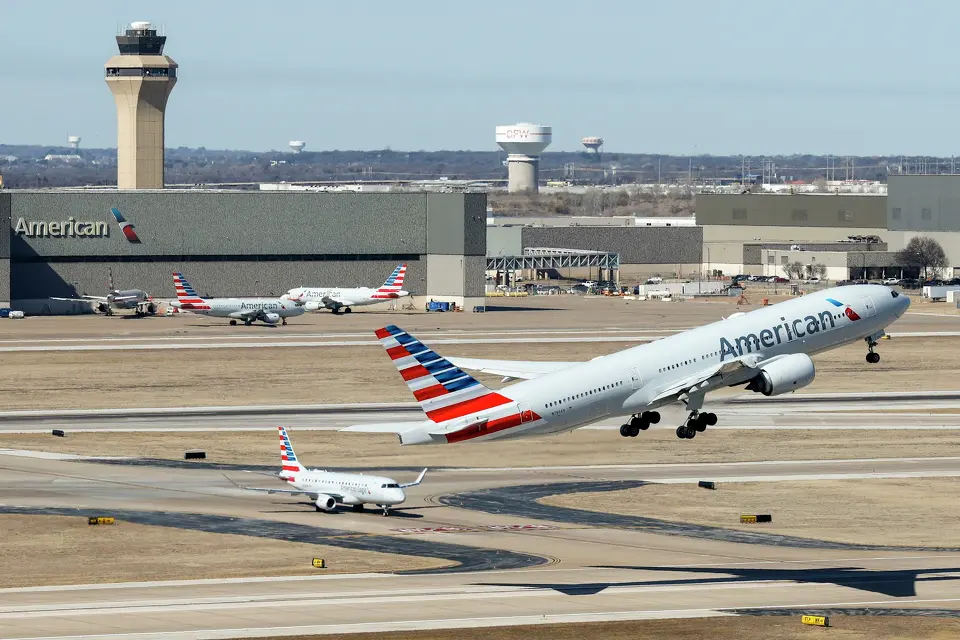

Travel chaos erupted across North Texas after the Federal Aviation Administration issued a ground stop at Dallas-Fort Worth International Airport (DFW), causing hundreds of flight cancellations and delays as dangerous thunderstorms moved into the region.
The disruption heavily impacted travelers flying through one of the busiest airports in the United States, with American Airlines expected to face the largest operational setbacks because DFW serves as the carrier’s primary hub.
FAA Issues Ground Stop at DFW Airport
The FAA announced the ground stop Tuesday morning as severe weather conditions threatened air traffic operations throughout North Texas. According to officials, incoming thunderstorms brought the potential for lightning, heavy rain, strong winds, and hazardous flying conditions.
Under a ground stop, departing flights destined for DFW are temporarily prevented from taking off from their origin airports until conditions improve. This often creates ripple effects across the national airline system because aircraft, crews, and passengers become stranded in multiple cities simultaneously.
The FAA later reported airborne arrival delays averaging approximately 15 minutes after operations slowly resumed.
Hundreds of Flights Canceled and Delayed
Reports from Dallas-area media outlets showed more than 200 flights were canceled shortly after the ground stop was announced, with delays rapidly increasing throughout the day.
KERA News later reported that flight cancellations surpassed 300 as the storms intensified.
Passengers described crowded terminals, long customer service lines, and growing frustration as airlines struggled to rebook travelers and reposition aircraft during the weather emergency.
The disruptions also affected nearby Dallas Love Field, adding additional strain to the North Texas travel system.
American Airlines Hit Hardest
Because DFW is the largest hub for American Airlines, the airline was expected to experience the most significant operational disruptions.
Weather-related disruptions at DFW often create nationwide scheduling problems for American Airlines because aircraft and crews cycle through Dallas routes throughout the day.
Previous storm systems earlier this month also forced hundreds of cancellations and delays at DFW, with American Airlines suffering the largest share of affected flights.
Severe Weather Continues Across North Texas
Meteorologists warned that additional thunderstorms could continue moving through the Dallas-Fort Worth area into the evening hours, creating ongoing uncertainty for travelers.
North Texas has experienced repeated rounds of severe spring weather in recent weeks, leading to multiple FAA ground stops and major airline disruptions.
Weather systems affecting major airline hubs like DFW can quickly impact flights nationwide because of the airport’s massive passenger volume and central role in domestic connections.
DFW International Airport handles roughly 200,000 passengers daily and ranks among the busiest airports in the world.
What Travelers Should Do
Airline officials are encouraging passengers to closely monitor their flight status before heading to the airport.
Travel experts recommend travelers:
- Check airline apps regularly for updates
- Prepare for extended delays or cancellations
- Avoid checking luggage if possible
- Explore alternate airports or later flights
- Monitor severe weather forecasts throughout the day
Passengers flying through Dallas may continue experiencing disruptions even after the ground stop officially ends because airlines need time to reposition aircraft and crews across the network.
Growing Concerns About U.S. Air Travel Disruptions
The DFW shutdown adds to growing concerns about repeated disruptions impacting U.S. air travel in 2026.
Recent months have seen airlines battle severe storms, winter weather, equipment outages, staffing shortages, and rising operational pressures.
While weather remains one of the leading causes of flight delays nationwide, major disruptions at large hub airports like DFW can create cascading delays affecting travelers across the country.
As storms continue sweeping through Texas, thousands of passengers are now waiting to see when normal flight operations will fully return.