

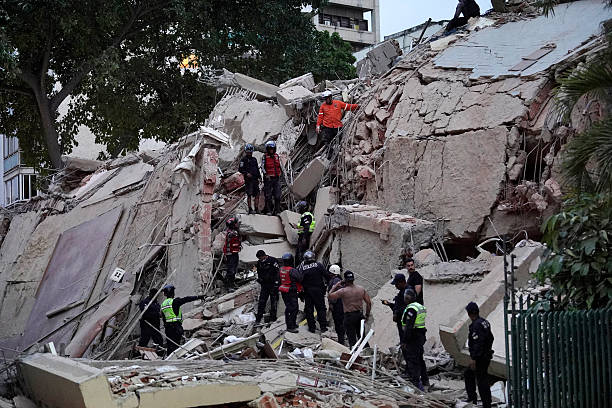

A powerful earthquake sequence struck Venezuela, sending shockwaves across the Caribbean and triggering a temporary tsunami advisory for Puerto Rico and the U.S. Virgin Islands. The major seismic event caused widespread concern as emergency officials monitored coastal areas and assessed potential impacts.
The earthquakes, which struck northern Venezuela on June 24, included two major tremors measuring approximately magnitude 7.2 and 7.5. The powerful back-to-back shocks caused buildings to collapse, forced residents into the streets, and prompted emergency response efforts across affected areas.
Tsunami Advisory Issued for Puerto Rico and Virgin Islands
Following the earthquakes, authorities issued a tsunami advisory for Puerto Rico and the U.S. and British Virgin Islands as officials evaluated whether the underwater seismic activity could generate dangerous waves. The advisory was later canceled after assessments determined that no continuing tsunami threat remained.
Residents in affected Caribbean areas were urged to stay informed, monitor official updates, and follow instructions from emergency agencies while scientists analyzed the situation.
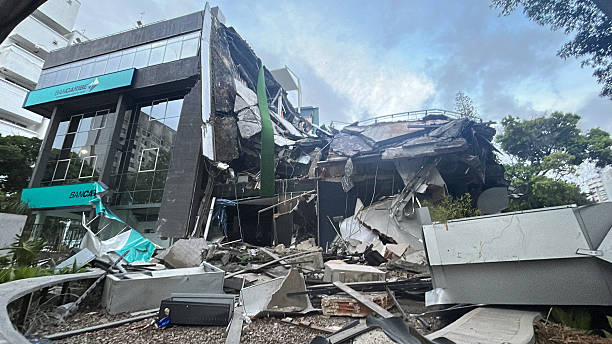
Major Damage Reported Across Venezuela
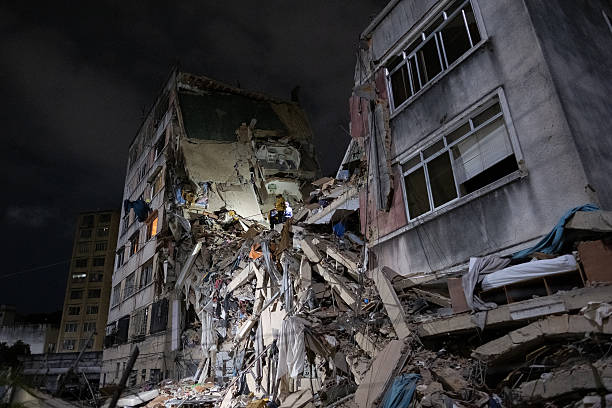
The earthquake caused significant destruction in several parts of Venezuela, including damage in the capital city of Caracas. Reports indicated that buildings were damaged or collapsed, while residents evacuated homes and businesses following intense shaking.
Officials reported that rescue teams were searching through damaged structures as the full scale of the disaster continued to emerge. Early reports showed dozens of deaths and hundreds of injuries, with authorities warning that casualty figures could change as recovery operations continued.
Emergency Response Underway
Venezuelan authorities launched emergency operations as rescue workers searched affected communities for survivors. Hospitals and emergency services were placed under pressure as injured residents sought medical assistance.
International attention quickly turned toward Venezuela, with governments and humanitarian organizations monitoring the situation and preparing possible support efforts.
Why Earthquakes in Venezuela Can Affect the Caribbean
Although Venezuela is located on the northern coast of South America, seismic activity in the region can impact nearby Caribbean islands because of the proximity of the Caribbean tectonic region.
Earthquake experts closely monitor underwater earthquakes because large movements beneath the ocean floor can sometimes create tsunami risks for coastal communities far from the original epicenter.
Caribbean Residents Urged to Stay Prepared
Emergency officials continue to remind residents living in earthquake and tsunami-prone areas to have safety plans in place, including:
- Knowing evacuation routes.
- Keeping emergency supplies available.
- Following official government alerts.
- Avoiding beaches and coastal areas during tsunami warnings.
- Staying informed through trusted sources.
Bottom Line
The Venezuela earthquake disaster has become a major regional emergency, affecting communities in South America while briefly raising tsunami concerns across the Caribbean. Although the tsunami advisory for Puerto Rico and nearby islands was lifted, officials continue rescue operations and damage assessments.
The event serves as another reminder of the importance of earthquake preparedness and rapid emergency response throughout the Caribbean and Latin American region.