

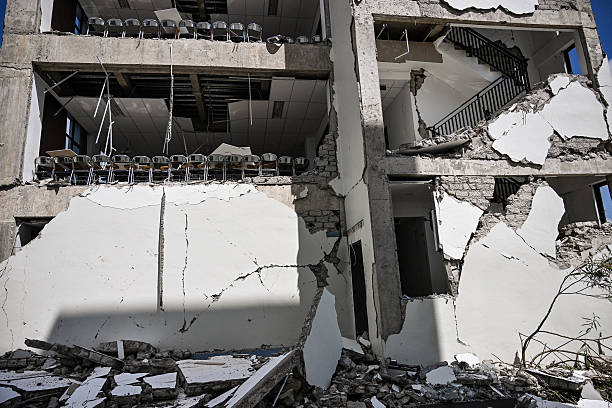

Rescue teams are continuing to search through collapsed buildings and landslide debris in eastern Indonesia after a powerful 7.7-magnitude earthquake struck off the coast of Flores Island.
At least 53 people have died, while more than 130 others have been injured, according to the latest reports. Authorities expect the toll could change as emergency crews reach areas that remain difficult to access.
The earthquake struck early Saturday, triggering landslides, damaging homes and public buildings, and leaving thousands of residents displaced.
For rescue workers, the race to find survivors is continuing under extremely difficult conditions.
Powerful 7.7-Magnitude Earthquake Strikes Flores
The earthquake struck off the northern coast of Flores in Indonesia’s East Nusa Tenggara province.
The shallow quake caused intense shaking across several communities.
The epicenter was reported about 68 kilometers north-northwest of Ende. Its relatively shallow depth contributed to the severity of the destruction.
Buildings collapsed, roads were damaged and landslides cut off access to some communities.
The disaster has affected several areas across Flores, including parts of Manggarai, East Manggarai and Nagekeo.
Death Toll Rises as Rescuers Recover More Bodies
The death toll has continued to rise as rescuers gain access to damaged areas.
On Sunday, emergency crews recovered six additional bodies, bringing the reported death toll to 53. More than 130 people were reported injured.
However, authorities continue to search areas where people may remain trapped beneath collapsed structures or isolated by landslides.
The final number of casualties could therefore increase as search operations continue.

Rescue Teams Dig Through Rubble
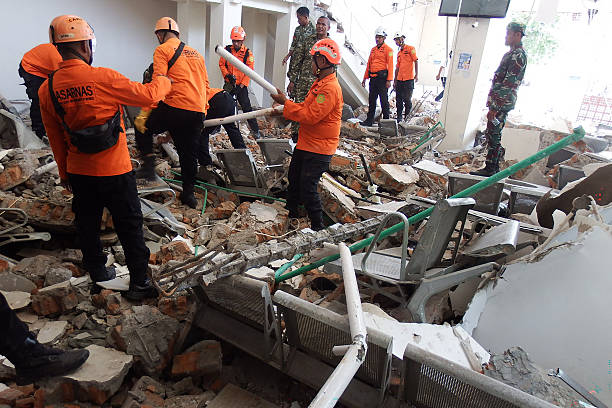
Emergency workers are searching collapsed buildings and piles of debris for possible survivors.
In some locations, however, rescue operations have been slowed by damaged roads and communications problems.
Landslides have blocked sections of the Trans-Flores Highway, making it difficult for rescue teams and supplies to reach some of the hardest-hit communities.
Emergency crews are therefore using available routes and working to clear roads while continuing search-and-rescue operations.
Thousands of People Forced From Their Homes
The earthquake has displaced approximately 5,000 residents, many of whom are now staying in temporary shelters.
Some evacuees have gathered in sports facilities and other open areas because they remain afraid to return to damaged homes.
That fear has been intensified by continuing aftershocks.
Authorities are working to provide displaced residents with food, water, medicine and other basic supplies.
Nearly 1,000 Aftershocks Reported
The danger has not ended with the main earthquake.
Authorities have recorded nearly 1,000 aftershocks, although only a portion were strong enough for residents to feel.
The continuing seismic activity is making rescue operations more complicated and increasing concerns about damaged structures collapsing.
For residents already traumatized by the initial earthquake, every new tremor is another reminder that the danger may not yet be over.
Tsunami Warning Was Lifted
A tsunami warning was issued after the earthquake because of its offshore location.
Authorities later lifted the warning after determining that there was no major continuing tsunami threat.
Some coastal areas nevertheless experienced waves, with one report recording a wave of approximately 1.6 meters in Riung village.
The lifting of the warning allowed emergency authorities to focus more heavily on earthquake recovery and rescue operations.
Homes and Public Buildings Damaged
The earthquake caused extensive structural damage across Flores.
More than 1,350 homes have been damaged, according to the latest Associated Press reporting. Schools, health facilities and other public buildings were also affected.
Some hospitals have had to treat patients outdoors because of concerns about damaged structures.
The destruction has created another challenge for emergency officials: providing medical treatment while local infrastructure is still recovering.
Emergency Workers Face Difficult Conditions
Rescue operations after a major earthquake are always time-sensitive.
However, the situation in Flores has been particularly challenging because of the combination of:
- Collapsed buildings
- Landslides
- Blocked roads
- Communication outages
- Continuing aftershocks
- Damaged hospitals
- Displaced residents
- Shortages of some basic supplies
These challenges mean emergency teams must balance the urgency of finding survivors with the safety of rescuers.
Government Deploys Thousands of Personnel
Indonesia has mobilized thousands of military and police personnel to assist with the disaster response.
The government has also declared an emergency in East Nusa Tenggara, allowing additional resources to be directed toward affected communities.
Emergency teams are working on several fronts, including search and rescue, medical assistance, evacuation, road clearance and distribution of essential supplies.
Survivors Remain Traumatized
The psychological impact of the earthquake is also becoming apparent.
Many residents are choosing to remain outside or in tents because they fear another major tremor could damage already weakened buildings.
Flores has experienced devastating earthquakes before.
The region was struck by a powerful earthquake in 1992, which generated a tsunami and killed thousands of people.
That history has intensified fears among residents following the latest disaster.
Indonesia’s Location Makes It Vulnerable to Earthquakes
Indonesia sits along the Pacific Ring of Fire, an area characterized by intense seismic and volcanic activity.
The country experiences frequent earthquakes because several tectonic plates meet in the broader region.
That geological reality means Indonesian communities must regularly prepare for the possibility of powerful earthquakes.
However, the latest Flores earthquake has demonstrated once again how quickly a major disaster can overwhelm local infrastructure.
Why the Rescue Operation Is So Urgent
The first hours and days following a major earthquake can be critical for people trapped beneath collapsed structures.
Rescuers therefore continue searching through rubble even as aftershocks and unstable buildings create additional risks.
The presence of landslides makes the operation even more complicated.
Some communities remain difficult to reach, meaning authorities are still working to determine the full scale of the destruction.
Aid Efforts Continue
Emergency shelters have been established for people who cannot safely return home.
Relief teams are distributing food, medicine and other necessities while authorities work to restore damaged infrastructure.
Electricity has been largely restored in some areas, although repairs continue on damaged distribution lines.
The priority now is to reach isolated communities and ensure displaced families have access to essential supplies.
What Happens Next?
The immediate priority remains finding survivors and recovering those who have died.
At the same time, authorities must assess damaged buildings and infrastructure to determine which areas are safe for residents to return to.
Road clearance will be particularly important because blocked transportation routes are making it harder to move emergency supplies and rescue equipment.
Officials will also continue monitoring aftershocks and possible additional landslides.
The Bigger Picture
The Flores earthquake is one of Indonesia’s deadliest earthquakes in recent years.
Beyond the immediate loss of life, the disaster could have a lasting impact on communities that depend on local roads, schools, hospitals and businesses.
Thousands of displaced residents now face the difficult process of rebuilding their lives.
For emergency agencies, the challenge will shift gradually from rescue to relief, recovery and reconstruction.
The Bottom Line
The Indonesia earthquake has left a devastating trail of death and destruction across Flores Island.
The magnitude-7.7 earthquake killed at least 53 people, injured more than 130 and forced around 5,000 residents from their homes. Rescue teams continue searching through rubble and landslide debris while authorities work to reach isolated communities.
Nearly 1,000 aftershocks have complicated the response, while damaged roads and communications infrastructure have slowed rescue operations.
For now, the focus remains firmly on saving lives.
As emergency teams continue working through the devastation, families across Flores are waiting for news of missing loved ones and hoping that rescuers can reach those who may still be trapped.