

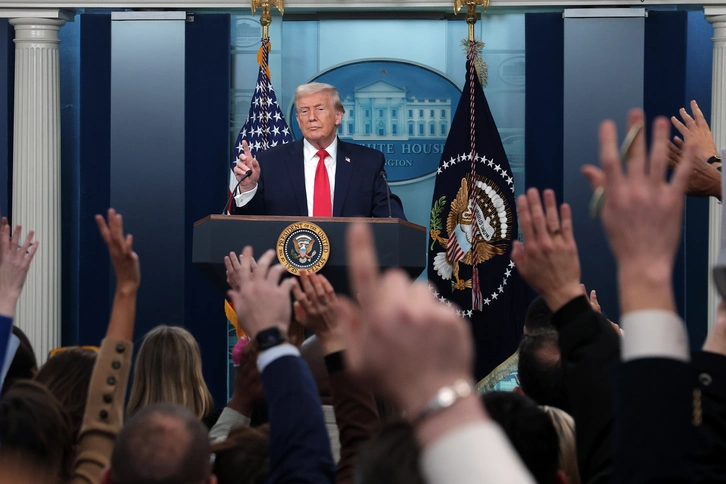

A growing confrontation between the Trump administration and major news organizations intensified Saturday after reporters from CNN, MS NOW and Politico were denied access to the White House.
The action came one day after President Donald Trump announced that the three outlets would be barred from the White House, accusing them of publishing what he described as false or misleading coverage. On Saturday, reporters from the organizations said their press credentials had been disabled or confiscated when they attempted to enter the White House complex.
The decision has triggered a broader debate over White House press access, freedom of the press and the First Amendment, while raising questions about how the administration will handle news organizations whose coverage it considers unfavorable.
What Happened at the White House?
The controversy began Friday when Trump announced that CNN, MS NOW and Politico would no longer have access to the White House.
According to reporting from CBS News, Trump said the outlets were being banned because of what he characterized as “fake news” coverage. He also suggested that additional media organizations could face similar treatment.
The policy was put into practice Saturday.
Reporters from CNN, MS NOW and Politico were turned away from the White House grounds. MS NOW correspondent Akayla Gardner and other journalists reported that their credentials were no longer functioning, while other affected reporters had their press passes confiscated.
The Associated Press also reported that the affected organizations indicated they could pursue legal action in response to the restrictions.
Why the White House Media Ban Matters
The White House has long maintained a press corps that includes reporters from competing news organizations. Journalists covering the president rely on physical access to the White House to attend briefings, question officials, gather information and report directly from the presidential workplace.
Restricting access to specific news organizations therefore raises questions beyond the individual outlets involved.
At the center of the dispute is whether government officials can restrict journalists because they object to the content or tone of their reporting.
The White House Correspondents’ Association criticized the decision and called for the affected journalists’ access to be restored. Reuters reported that CNN, MS NOW and Politico have also indicated they intend to defend their journalistic access.
First Amendment Questions
The dispute could ultimately become a legal battle over the First Amendment.
The First Amendment protects freedom of the press, but White House access also involves security, credentialing and operational considerations. The legal question is therefore not simply whether the administration can regulate access, but whether journalists can be excluded because of the viewpoint or content of their reporting.
The current controversy is particularly significant because Trump publicly connected the restrictions to his dissatisfaction with the outlets’ reporting.
The New York Times reported that legal experts described this as a potential viewpoint-discrimination issue, pointing to previous litigation involving White House press access during Trump’s first administration.
A federal court previously ruled in favor of CNN reporter Jim Acosta after the White House revoked his press credentials during Trump’s first term, adding an important precedent to the current debate.
CNN, MS NOW and Politico Respond
The affected organizations have rejected the administration’s characterization of their reporting.
CNN described the action as an attack on its journalistic rights, while MS NOW said it would take steps to defend its ability to cover the administration. Politico’s leadership also expressed support for its White House correspondents.
The organizations have continued reporting despite losing physical access to the White House.
That means the ban does not prevent the outlets from covering the Trump administration altogether. Instead, their journalists may have to work from locations outside the White House complex and rely more heavily on sources, public events and communications with administration officials.
Other News Organizations Could Be Affected
Another important element of the dispute is Trump’s indication that the restrictions could potentially extend beyond the three organizations initially named.
The Washington Post reported that Trump suggested other media outlets could follow.
That possibility has attracted attention from journalists across the political spectrum.
The New York Times reported that some Fox News contributors and journalists also criticized the idea of banning media organizations because of unfavorable coverage. Fox contributor Ari Fleischer, for example, argued that reporters should be challenged rather than banned.
The reaction demonstrates that the debate over White House press access extends beyond CNN, MS NOW and Politico.
A Continuing Fight Between Trump and the Media
The latest confrontation is part of a much longer relationship between Trump and the news media.
During Trump’s first presidential campaign and administration, his team engaged in several disputes with news organizations and individual reporters over press credentials and access.
The Associated Press has also previously fought restrictions involving its access to the White House. According to AP reporting, the organization referenced a federal court ruling affirming that news organizations should not face government retaliation because of their reporting.
The current dispute therefore comes against a history of legal and political battles over the relationship between the Trump administration and the press.
What Happens Next?
The immediate question is whether the media organizations will challenge the White House restrictions in court.
CNN, MS NOW and Politico have indicated that they intend to continue defending their journalists’ access and ability to report on the administration.
A legal challenge could force courts to examine the limits of presidential authority over White House press access and whether excluding particular news organizations because of their coverage violates constitutional protections.
For journalists, the dispute also raises practical questions about how reporters can effectively cover the executive branch without regular physical access to the White House.
The Bigger Issue: Access and Public Information
At its core, the White House media ban is about more than three news organizations.
The controversy highlights the role of the press in providing the public with information about the federal government. White House reporters serve as a direct link between presidential officials and the public, questioning government representatives and documenting the administration’s actions.
Whether the current restrictions remain limited to CNN, MS NOW and Politico or expand to additional organizations could become an important development in the ongoing debate over press freedom and presidential power.
For now, the affected news organizations say they will continue covering the administration despite being denied access to the White House.
The legal and constitutional questions surrounding the ban, however, are likely to remain at the center of the story.

