

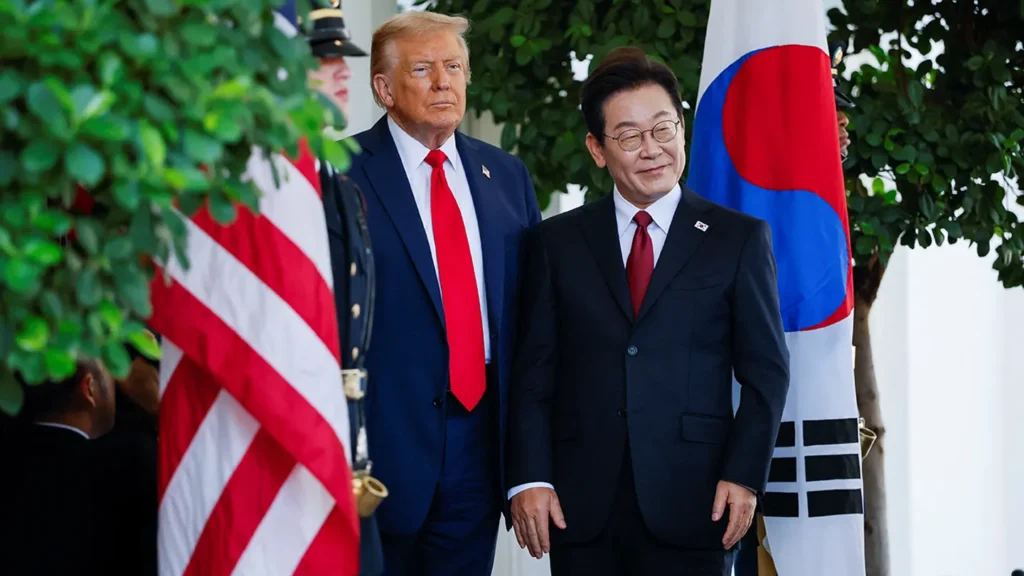

The Trump administration is accusing South Korea of unfairly targeting American technology companies after e-commerce giant Coupang reportedly faced approximately $688 million in penalties. Seoul rejects the allegations, insisting its regulatory actions are lawful and nondiscriminatory.
A growing dispute between Washington and Seoul is raising new questions about trade relations, technology regulation and the treatment of American businesses operating overseas.
The White House has accused South Korea of breaking a commitment made to President Donald Trump to ensure American technology companies receive fair treatment. The criticism follows regulatory penalties against Coupang, a major e-commerce company with American corporate ties and extensive operations in South Korea.
South Korean regulators have reportedly imposed penalties totaling approximately $688 million against the company, including a provisional $224 million penalty involving its food-delivery business.
The Trump administration says the regulatory actions raise concerns about whether American companies are being treated fairly in the South Korean market.
However, South Korean officials have rejected claims of discrimination, maintaining that their investigations and enforcement decisions are based on the country’s laws and regulatory requirements.
The dispute could have broader implications for economic relations between the two countries, particularly as both governments seek to strengthen trade, investment and security cooperation.
White House Raises Concerns Over Treatment of American Companies
A White House official told Fox News Digital that the administration expects South Korea to honor its commitment to treating American technology companies fairly.
The administration has expressed concern over what it describes as discriminatory treatment of U.S. businesses operating in South Korea, particularly Coupang.
Officials argue that regulatory actions against American companies could undermine the broader economic relationship between Washington and Seoul.
The dispute comes amid ongoing discussions involving trade agreements, investment commitments and the future of technology regulation between the two countries.
The White House has not ruled out additional policy measures in response to what it considers unfair treatment of American businesses.
South Korea Rejects Allegations of Discrimination
South Korean officials have strongly disputed the White House’s accusations.
A spokesperson for the South Korean Embassy said the government remains committed to maintaining a fair and nondiscriminatory business environment.
The embassy stated that investigations and regulatory decisions involving Coupang and other companies were conducted in accordance with applicable laws and regulations.
South Korean officials also emphasized that businesses have the right to challenge regulatory decisions through the country’s legal system.
Seoul maintains that its enforcement actions are based on legal and regulatory concerns rather than the nationality of a company’s ownership.
The disagreement highlights the different perspectives held by the two governments regarding the regulation of technology companies and the enforcement of competition and consumer-protection laws.
Why Coupang Is at the Center of the Dispute
Coupang is one of South Korea’s largest e-commerce companies and is frequently compared to Amazon because of its extensive online shopping and rapid delivery operations.
Despite operating primarily in South Korea, Coupang is an American company. It is incorporated in Delaware, headquartered in Seattle, Washington, and publicly traded on the New York Stock Exchange.
The company was founded in 2010 by Korean American entrepreneur Bom Kim.
Its business includes online retail, grocery delivery, food delivery and logistics services. Coupang’s rapid delivery network has become a major part of its business model, helping it compete in South Korea’s highly competitive online shopping market.
The company has argued that its operations contribute significantly to the U.S. economy through investment, business activity and the sale of American goods and services overseas.
Coupang has also expressed a desire to resolve the dispute constructively, emphasizing the importance of maintaining strong economic ties between the United States and South Korea.
Regulatory Penalties and the Food Delivery Investigation
The latest controversy follows multiple regulatory actions involving Coupang and its business operations.
South Korean regulators reportedly imposed a provisional penalty of approximately $224 million against the company’s food-delivery service as part of an investigation involving alleged anticompetitive conduct.
The broader penalties cited in the White House dispute reportedly total approximately $688 million.
The regulatory actions have attracted attention from U.S. officials and lawmakers, who argue that the treatment of Coupang could reflect broader challenges facing American technology companies operating in foreign markets.
South Korean authorities, however, say their investigations are conducted under domestic law and are intended to address regulatory violations rather than target foreign companies.
The company has disputed aspects of the regulatory proceedings and has sought to challenge certain decisions through legal channels.
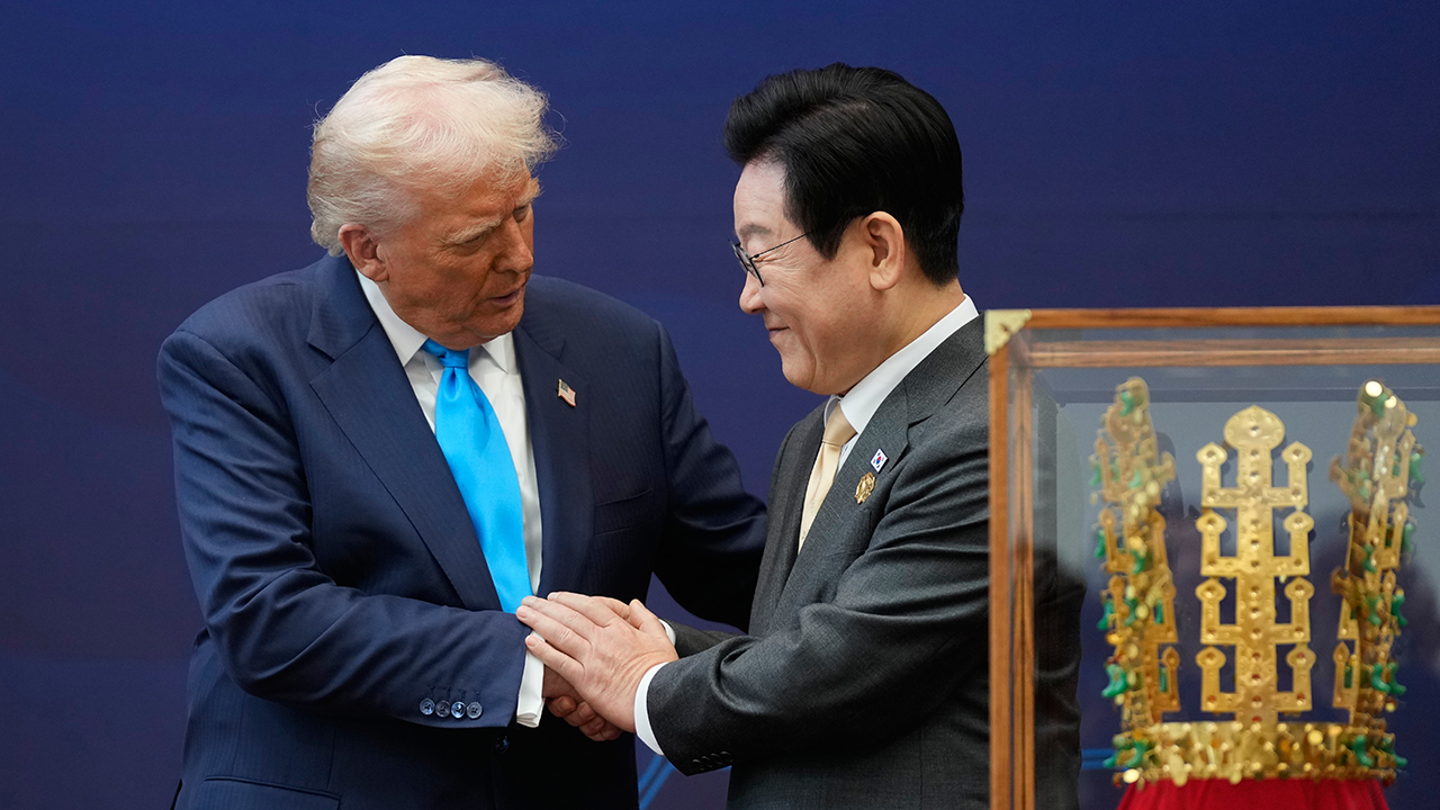
U.S. Lawmakers Raise Concerns About South Korea’s Regulatory Policies
The dispute has also attracted attention from members of Congress.
Republican lawmakers, including Rep. Darrell Issa of California, have raised concerns about South Korea’s treatment of American technology companies.
Issa has argued that regulatory actions against Coupang could damage the broader U.S.-South Korea relationship, which has been built on decades of economic cooperation and security partnership.
Some U.S. lawmakers have questioned whether South Korean regulatory policies could create disadvantages for American businesses competing in the country’s technology and digital-services markets.
South Korean officials have rejected those concerns, arguing that the government is applying its laws fairly and that companies operating within the country are subject to the same regulatory standards.
The debate is likely to continue as lawmakers examine the broader implications of South Korea’s technology policies and their potential impact on American businesses.
Trade Relations Between Washington and Seoul Face New Pressure
The Coupang dispute comes at a sensitive time for U.S.-South Korea relations.
The two countries maintain close economic and security ties, including cooperation on regional security, technology, trade and investment.
However, disagreements over digital regulation, tariffs, investment commitments and the treatment of American companies have created additional pressure on the relationship.
The Trump administration has repeatedly emphasized the importance of protecting American businesses from what it considers unfair foreign regulations and trade practices.
South Korea, meanwhile, has maintained that it is committed to a stable economic partnership with the United States and that regulatory enforcement should not be interpreted as discrimination.
The latest dispute could complicate ongoing discussions involving investment, trade and cooperation between the two governments.
Coupang Says It Wants a Constructive Resolution
Coupang has said it continues to seek a constructive resolution to the dispute.
The company maintains that strengthening U.S.-South Korea economic relations is in the interests of both countries and that continued investment and trade could benefit businesses and consumers on both sides.
Coupang has also highlighted its contribution to U.S. exports and investment, arguing that its international operations help create opportunities for American businesses.
The company’s position reflects the broader challenge facing multinational businesses caught between regulatory requirements in foreign markets and diplomatic concerns raised by their home governments.
What Happens Next?
The dispute between Washington and Seoul is likely to remain under scrutiny as South Korean regulators continue their proceedings and the Trump administration evaluates its response.
The White House has indicated that it is considering policy options related to the treatment of American companies, although no specific action has been announced in connection with the latest penalties.
South Korea continues to reject claims that it has violated its commitments to the United States, insisting that its regulatory decisions are lawful and that companies have access to legal remedies.
As the disagreement develops, the outcome could have implications beyond Coupang, potentially affecting other American technology companies operating in South Korea.
The central question remains whether the regulatory dispute can be resolved without creating additional strain on the economic and strategic relationship between the two countries.
For now, both governments say they remain committed to maintaining their broader partnership, even as disagreements over business regulation and trade continue to surface.