

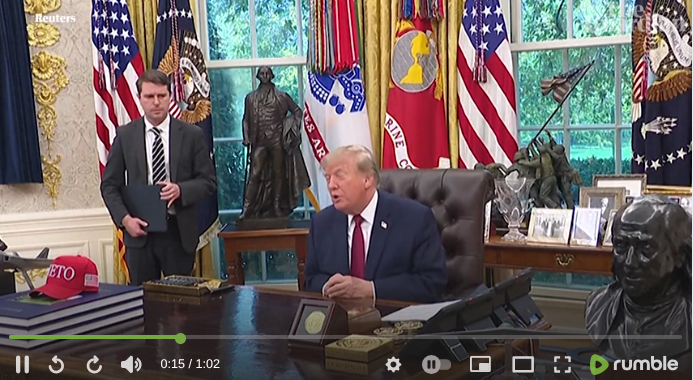

President Donald Trump has signed a historic proclamation designating the Oval Office and Cabinet Room as national monuments, in a move aimed at protecting the iconic White House spaces from major structural changes by future administrations. However, questions remain about how much legal authority the measure will have over future presidents.
President Donald Trump has taken another unusual step in reshaping the White House, signing a proclamation intended to preserve the Oval Office and Cabinet Room for future generations.
The announcement came on Thursday, November 5, 2026, when Trump signed the document from behind the Resolute Desk in the Oval Office.
The proclamation designates the Oval Office, Outer Oval Office and Cabinet Room as the Oval Office National Monument. According to the White House, the decision is intended to protect the historic character and architectural significance of these important presidential spaces.
Trump described the move as necessary to prevent future administrations from making substantial structural changes to the rooms.
Speaking to reporters during the signing, the president suggested that future presidents should not be able to demolish or fundamentally reshape the Oval Office without appropriate approval.
The announcement has attracted attention because of Trump’s own extensive renovations to the White House since returning to office in January 2025.
Trump Wants to Preserve the Oval Office for Future Generations
The Oval Office is one of the most recognizable rooms in American politics. It serves as the president’s principal working office and has been the setting for major domestic decisions, international negotiations and historic presidential announcements.
Trump said he believes the room deserves special protection because of its historical importance and connection to the American presidency.
The proclamation also covers the Cabinet Room, where the president meets with senior administration officials to discuss government policy and national affairs.
Under the new designation, the Department of the Interior will be responsible for developing a management plan to protect the spaces.
The plan is expected to include documentation, reviews and consideration of alternatives before any substantial alterations or demolition take place.
The administration says the goal is to preserve these historic rooms while ensuring that future generations can appreciate their significance.
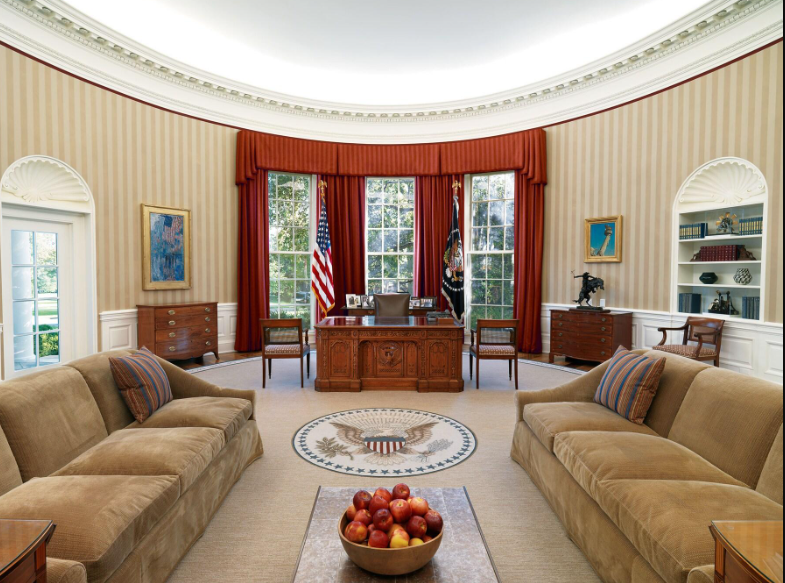
What Trump’s Proclamation Actually Means
Although Trump described the measure as a way to prevent future presidents from making major changes, the proclamation does not completely remove a successor’s authority over the White House interior.
The document specifically allows future presidents to redecorate, select furnishings and make ordinary operational or security-related modifications.
It also establishes procedures requiring substantial proposed changes to be documented and reviewed.
Trump suggested that major structural changes would require congressional approval. However, the proclamation itself does not expressly establish a blanket congressional approval requirement for every major alteration.
Legal questions also remain about how effectively the designation could bind a future president, particularly because a successor could potentially issue another proclamation reversing or modifying the measure.
This means the announcement represents an effort to strengthen historical preservation rather than an absolute guarantee that the rooms will never change.
Trump’s White House Renovations Have Drawn Attention
The decision comes after Trump has overseen several significant renovation projects at the White House.
Since returning to office, the president has introduced extensive decorative changes to the Oval Office, including gold-colored accents, elaborate picture frames, additional portraits and decorative features.
The Cabinet Room has also received upgrades, including new chandeliers and other decorative improvements.
Outside the White House, Trump has pursued a series of construction and beautification projects.
One of the most controversial has been the demolition of the East Wing to make way for a large White House ballroom.
Other projects have included changes to the Rose Garden, improvements to the Lincoln Memorial Reflecting Pool and the installation of additional presidential facilities.
Some of these projects have attracted criticism and legal challenges over questions involving historical preservation, oversight and the approval process.
The latest proclamation has therefore added another dimension to the ongoing discussion about Trump’s approach to renovating and modernizing the White House.
Why the Announcement Is Politically Significant
The timing of Trump’s decision has also attracted attention.
The proclamation was signed just days after Republicans suffered major losses in the November 3, 2026, midterm elections, with Democrats projected to take control of Congress in January.
The change in congressional control is expected to make it more difficult for Trump to advance his legislative agenda during the remaining years of his presidency.
Against that political backdrop, the president has continued highlighting his White House renovation projects and other efforts to reshape Washington.
The signing ceremony also featured a red baseball cap bearing the word “VETO” on Trump’s desk, an apparent reference to the political challenges awaiting him when Democrats take control of Congress.
Although the administration presented the proclamation as a historical preservation measure, its timing has contributed to broader discussions about the president’s priorities following the election results.
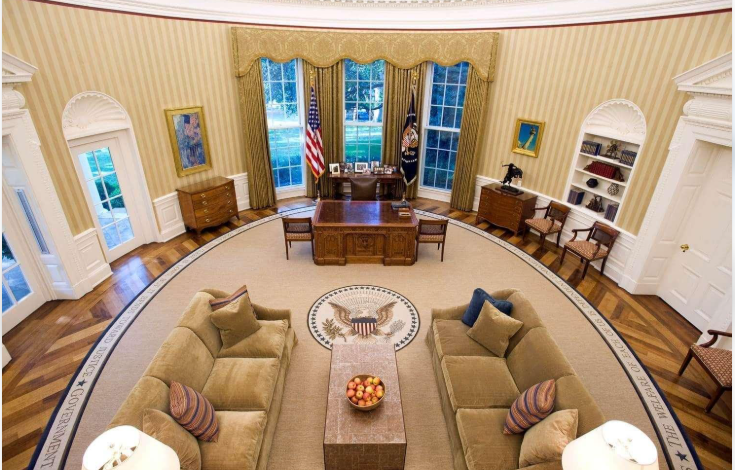
Can a Future President Reverse Trump’s Decision?
One of the biggest questions surrounding the proclamation is whether a future president could undo it.
Under the current framework, presidential proclamations can generally be modified or revoked by a subsequent administration, depending on the legal authority involved.
Trump himself has previously changed national monument designations established by earlier presidents.
The new proclamation therefore does not necessarily guarantee that future presidents will be permanently prevented from changing the Oval Office or Cabinet Room.
It does, however, establish a formal preservation framework that requires substantial changes to receive additional consideration and review.
The distinction between protecting the historic structure and controlling future presidential decorating decisions will likely remain central to discussions about the proclamation.
What Happens Next?
The Department of the Interior is expected to coordinate the preservation and management arrangements for the newly designated national monument.
The process will involve documenting the rooms’ historical significance and establishing procedures for reviewing proposed substantial modifications.
Whether the proclamation will have a lasting impact on future White House renovations remains to be seen.
For now, Trump’s decision represents an effort to preserve two of the most important rooms in American presidential history.
The Oval Office has witnessed some of the most consequential moments in the nation’s history. From meetings with world leaders to major presidential announcements, its historical significance extends far beyond its physical appearance.
Trump says he wants that legacy protected.
However, the ultimate authority of the proclamation and whether future presidents will respect or reverse its protections remain important questions.