

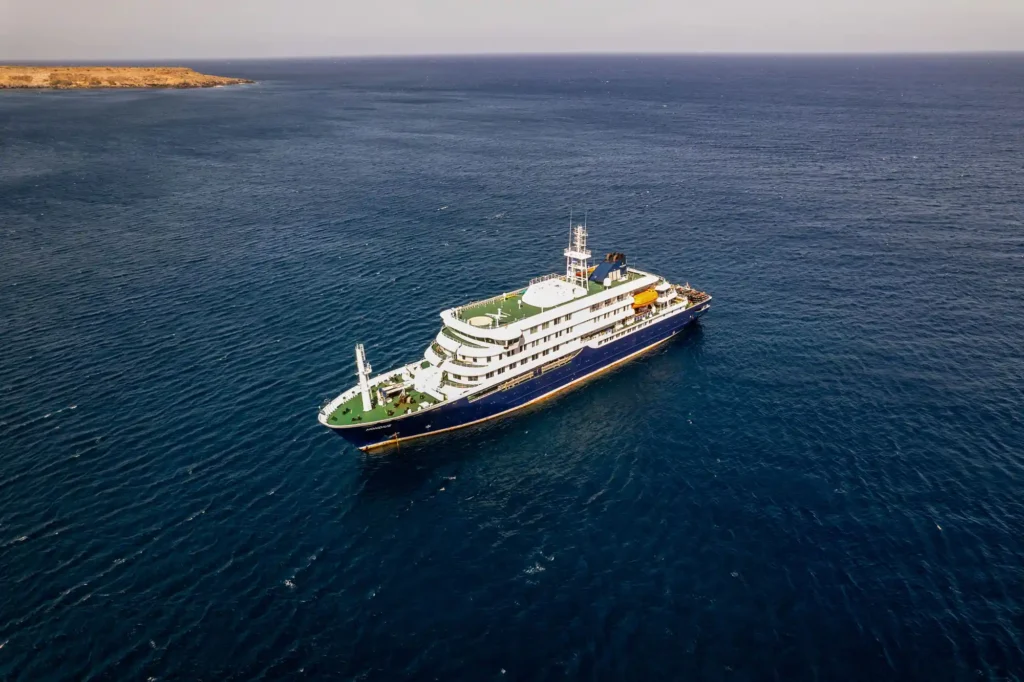

A Luxury Trip Turns Deadly
What began as a routine cruise across the Atlantic Ocean has turned into a serious international health emergency.
At least three passengers have died and several others have fallen ill following a suspected outbreak of hantavirus aboard the expedition cruise ship MV Hondius. Health authorities, including the World Health Organization, are now racing to determine how the virus spread in such an environment.
What Happened: Timeline of the Outbreak
The outbreak unfolded over several weeks as the ship traveled from Argentina toward Cape Verde.
Key developments include:
- Multiple passengers began experiencing flu-like and respiratory symptoms
- At least six people were affected, with three confirmed deaths
- One patient remains in critical condition in South Africa
- The ship has faced delays in disembarkation due to health concerns
The World Health Organization confirmed at least one case of hantavirus, while additional cases remain under investigation.
What Is Hantavirus?
Hantavirus is a rare but potentially deadly disease typically spread through contact with rodent urine, droppings, or saliva.
Common symptoms include:
- Fever and fatigue
- Muscle aches
- Shortness of breath
- Severe respiratory distress in advanced stages
The virus can lead to hantavirus pulmonary syndrome (HPS), which has a mortality rate estimated at around 30–40% in severe cases.

Why This Outbreak Is Unusual
While cruise ships have experienced outbreaks before—most commonly norovirus—this situation stands out for several reasons:
- Hantavirus outbreaks are extremely rare in maritime settings
- The illness is not typically spread person-to-person, though limited cases have been reported
- The severity and fatalities make it significantly more dangerous than typical cruise-related illnesses
Experts believe the outbreak may be linked to environmental exposure onboard, possibly involving rodents or contaminated areas within the ship.
Emergency Response and Global Coordination
Health authorities have launched a coordinated international response:
- The World Health Organization (WHO) is leading investigations
- Medical evacuations are being arranged for infected passengers
- Laboratory testing and virus sequencing are underway
- Countries involved are coordinating repatriation efforts
Officials emphasize that, despite the seriousness of the situation, the risk to the general public remains low.
Cruise Ships and Disease Risk: A Known Challenge
Cruise ships have long been recognized as environments where diseases can spread quickly due to:
- Close living quarters
- Shared dining and recreational spaces
- Limited onboard medical facilities
Past outbreaks—including norovirus and COVID-19—have demonstrated how rapidly illnesses can move through passengers and crew.
Key Questions Still Unanswered
As the investigation continues, major questions remain:
- How did the virus enter the ship environment?
- Was there a single source of contamination?
- Could there have been any level of human-to-human transmission?
- What safety changes may be required for future voyages?
The answers could reshape health protocols across the cruise industry.
A Wake-Up Call for Travelers
The deadly outbreak aboard the MV Hondius serves as a stark reminder that even luxury travel comes with risks.
While such incidents are rare, they highlight the importance of:
- Strong health monitoring systems
- Rapid response protocols
- Awareness of symptoms during travel
For now, global health officials continue working to contain the outbreak and prevent further loss of life—while the world watches closely for answers.