

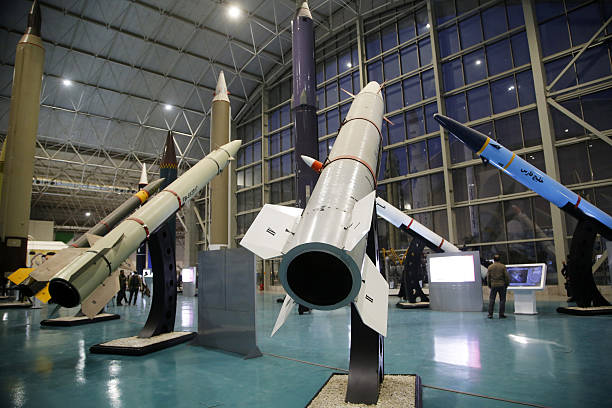

Iran’s missile program is once again drawing global attention as military analysts and U.S. officials warn that the country’s latest weapons appear to be faster, more maneuverable, and increasingly difficult to intercept. The developments come amid renewed fighting in the Middle East and have prompted fresh concerns about the effectiveness of current missile defense systems.
Recent attacks involving Iranian missiles and drones have underscored the continuing threat posed by Tehran’s arsenal, despite years of sanctions, military strikes, and efforts to weaken its weapons production capabilities.
New Missile Capabilities Raise Alarm
According to U.S. officials cited in recent reports, Iran has introduced ballistic missiles capable of traveling at higher speeds while performing maneuvers during the final stage of flight.
These terminal maneuvers make interception significantly more difficult because they reduce the amount of time available for air defense systems to predict a missile’s path and respond effectively. Military experts say the changes represent a notable evolution in Iran’s missile technology.
How Is Iran Improving Its Arsenal?
One of the biggest questions facing Western intelligence agencies is how Iran continues to upgrade its missile capabilities despite sustained military pressure.
Officials believe several factors may be contributing, including:
- Underground missile production and storage facilities.
- Relocation of weapons during periods of reduced hostilities.
- Continued domestic weapons development.
- Possible external technical assistance, though U.S. officials have not publicly presented conclusive evidence identifying the extent of any foreign support.
Military leaders have acknowledged that there are indications of outside assistance, but have stopped short of publicly detailing its scope.
A Growing Threat to Regional Air Defenses
Iran’s expanding missile capabilities present increasing challenges for U.S. forces and regional allies.
Modern missile defense systems are designed to intercept incoming threats based on projected flight paths. Missiles capable of changing direction during their descent can reduce interception success rates and place greater pressure on defensive networks.
Analysts say these developments are forcing military planners to rethink how future missile attacks could unfold across the Middle East.

Despite Setbacks, Iran Retains Significant Firepower
Although previous military operations have reportedly damaged portions of Iran’s missile infrastructure, intelligence assessments indicate that the country still possesses a substantial missile inventory.
Experts estimate Iran continues to maintain thousands of ballistic missiles of varying ranges, including systems capable of striking U.S. military installations and allied nations throughout the region.
The combination of quantity and improved technology means Iran remains one of the Middle East’s most significant missile powers.
The Challenge for the United States and Allies
The latest developments have prompted renewed discussions about strengthening missile defense capabilities.
Defense officials are evaluating new technologies, including advanced radar systems, improved interceptors, artificial intelligence-assisted tracking, and next-generation air defense platforms designed to counter increasingly sophisticated missile threats.
At the same time, governments continue pursuing diplomatic efforts aimed at reducing regional tensions while preparing for the possibility of further escalation.
What It Means for Global Security
Iran’s evolving missile program extends beyond regional concerns.
Improved missile technology could influence military planning across Europe, the Middle East, and Asia, particularly if similar technologies spread to allied groups or other nations. The continued modernization of ballistic missiles also raises questions about future arms control efforts and international security cooperation.
Bottom Line
Iran’s increasingly advanced missile arsenal is becoming one of the defining security challenges facing the Middle East. While years of sanctions and military operations have weakened parts of its defense infrastructure, recent intelligence suggests Tehran continues to adapt by developing faster and more maneuverable weapons.
As military officials work to understand the full extent of these advances, the race between offensive missile technology and defensive interception systems is likely to remain a critical issue in global security discussions for years to come.