


Moringa has gained considerable attention in the wellness industry for its nutritional value and potential health benefits. Often called the “miracle tree,” Moringa oleifera is a plant whose leaves have traditionally been used as food and in herbal preparations across several regions of the world.
Today, moringa is available in powders, teas, capsules, and dietary supplements marketed to people looking to support their general wellness.
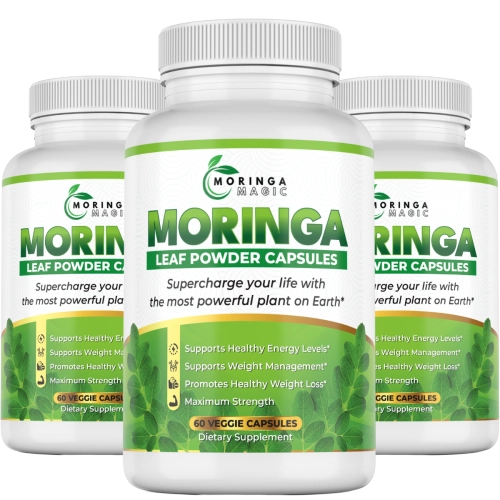
One product promoted online is Magic of Moringa, which is marketed as a convenient way to incorporate moringa into a daily wellness routine. But what does scientific research actually say about moringa, and should consumers believe every health claim associated with these products?
This review examines moringa’s nutritional properties, potential benefits, limitations, safety considerations, and the important questions buyers should ask before purchasing a supplement.
What Is Magic of Moringa?
Magic of Moringa is promoted through an online sales page featuring an affiliate referral link. The product marketing presents moringa as a natural wellness supplement intended to help users incorporate the plant into their everyday routine.
Moringa itself comes from the Moringa oleifera tree, which is native to parts of South Asia and is now cultivated in tropical and subtropical regions worldwide.
Its leaves contain a range of nutrients and plant compounds, including protein, vitamins, minerals, and polyphenols. Their nutritional composition can vary depending on growing conditions, processing methods, and the form in which the plant is consumed.
However, the benefits of moringa as a food ingredient should not automatically be attributed to every supplement sold under a moringa-related brand.
Consumers should examine the exact product label, ingredient quantities, manufacturing information, and available testing before deciding whether a particular supplement meets their needs.
What Makes Moringa Popular in the Wellness Industry?
Interest in moringa has grown as consumers increasingly explore plant-based foods and botanical supplements.
Several characteristics contribute to its popularity.

1. A Source of Plant-Based Nutrients
Moringa leaves contain various nutrients, including beta-carotene, vitamin C, calcium, potassium, and iron. The precise amounts depend on the plant’s growing conditions and whether the leaves are fresh, dried, or processed.
Dried moringa leaves can provide concentrated nutrients by weight because drying removes much of their water content.
Nevertheless, the nutritional value of a supplement depends on its actual ingredients and serving size. A capsule should not be assumed to provide the same nutritional benefits as a substantial serving of moringa leaves.
2. Naturally Occurring Antioxidants
Moringa contains plant compounds, including flavonoids and phenolic acids, that have demonstrated antioxidant activity in laboratory research.
Antioxidants are studied because they can interact with reactive molecules involved in oxidative stress.
However, laboratory findings do not necessarily demonstrate that consuming a particular supplement will prevent disease or produce a measurable health benefit in humans.
More research is needed to establish which effects are clinically meaningful and what quantities, if any, are effective.
3. A Convenient Supplement Format
Capsules and powders offer convenient ways to consume botanical ingredients without preparing fresh leaves.
For some consumers, convenience can make it easier to maintain a consistent routine.
However, convenience does not establish effectiveness. The quality, composition, dosage, and safety of the finished product remain important considerations.
Potential Health Benefits of Moringa: What Does Research Say?
Moringa has been investigated for several potential health effects. Although some early findings are promising, the strength of the evidence differs across health outcomes.
Blood Sugar Regulation
Researchers have investigated whether moringa may influence blood glucose levels.
Some small human studies have reported changes in blood sugar measurements following moringa consumption. However, the available evidence remains limited, and findings are not consistent enough to establish moringa as a reliable treatment for diabetes.
People living with diabetes should not replace prescribed medication, dietary recommendations, or medical monitoring with a moringa supplement.
Moringa may also interact with blood-sugar-lowering medication, potentially increasing the risk of hypoglycemia.
Heart Health and Cholesterol
Moringa has also been studied for its possible effects on cholesterol and other cardiovascular risk markers.
Some preliminary research suggests potential benefits, but the evidence is not sufficiently consistent to conclude that moringa supplements prevent heart disease or reliably lower cholesterol.
Established approaches to cardiovascular health—including a balanced diet, physical activity, avoiding tobacco, and appropriate medical treatment—remain essential.
Anyone taking medication for high blood pressure or cholesterol should consult a qualified healthcare professional before adding a supplement.
Digestive Health
Moringa leaves contain dietary fiber when consumed in suitable food forms, and fiber can support normal digestive function.
However, the amount of fiber in a capsule may be small, depending on the formulation.
There is not enough reliable evidence to conclude that a specific Magic of Moringa supplement treats digestive disorders or produces substantial improvements in gut health.
Energy and General Wellness
Moringa is often promoted as a natural way to support energy and vitality.
Its nutritional content may contribute to a balanced diet, but there is insufficient evidence to establish that a particular moringa supplement reliably increases energy levels in otherwise healthy adults.
Persistent fatigue can have many causes, including inadequate sleep, nutritional deficiencies, medication effects, and underlying medical conditions. Supplements should not be used to overlook symptoms that require medical evaluation.
Weight Management
Some moringa marketing focuses on metabolism and weight management.
Although researchers have investigated moringa in relation to metabolic health, current evidence does not establish it as a dependable weight-loss treatment.
Sustainable weight management generally relies on dietary habits, physical activity, sleep, and other individual health factors.
Consumers should be cautious of advertisements promising rapid fat loss, effortless weight reduction, or dramatic body transformations from a single botanical ingredient.
What Ingredients Should Buyers Look For?
Before purchasing Magic of Moringa, consumers should review the product’s current Supplement Facts panel and verify exactly what it contains.
Important details include:
- Ingredient identity: Confirm whether the product contains moringa leaf powder, leaf extract, or another plant component.
- Serving size: Check the number of capsules or amount of powder recommended per serving.
- Ingredient quantity: Look for clearly stated amounts rather than vague descriptions of a proprietary formula.
- Other ingredients: Review capsule materials, fillers, allergens, and additional active ingredients.
- Quality testing: Look for credible evidence of testing for heavy metals, microbial contamination, and other relevant contaminants.
- Manufacturer information: Check whether the seller provides clear contact details and information about manufacturing standards.
The exact formulation and dose of the product linked here should be confirmed from its current packaging and official sales information. Marketing descriptions alone are not sufficient to verify its composition or clinical effectiveness.

Is Magic of Moringa Scientifically Proven to Work?
This is an important distinction for potential buyers.
Research into Moringa oleifera as a plant does not establish that every product containing moringa will produce the same effects.
To demonstrate that a particular supplement works for a specific purpose, researchers would ideally test the finished product in well-designed human clinical trials using a clearly defined dose and appropriate comparison groups.
Evidence from animal studies, laboratory experiments, traditional use, or studies involving different moringa preparations cannot automatically establish the effectiveness of the product being advertised.
Based on the information available for this review, there is insufficient verified evidence to conclude that the Magic of Moringa product itself has been demonstrated in independent clinical trials to deliver all the benefits that may be promoted in its marketing.
That does not mean the plant has no nutritional value. It means buyers should distinguish established nutritional properties from health benefits that remain uncertain.
Possible Side Effects and Safety Considerations
Although moringa leaves are consumed as food in many parts of the world, concentrated supplements require additional care.
Possible side effects can include digestive discomfort, nausea, or diarrhea. Individual reactions may vary depending on the product and the amount consumed.
People should exercise particular caution in the following situations:
People taking diabetes medication: Moringa may affect blood glucose, potentially creating a risk of low blood sugar when combined with certain medications.
People taking blood thinners: Moringa leaves contain vitamin K, which can interfere with warfarin management. Anyone taking warfarin should discuss significant changes in vitamin K intake or supplement use with their healthcare professional.
People taking blood pressure medication: Potential effects on blood pressure may be relevant when combining supplements with prescribed treatment.
Pregnant or breastfeeding individuals: Safety information for concentrated moringa supplements is limited. Medical advice is recommended before use. Certain parts of the moringa plant, particularly the roots and bark, raise additional safety concerns and should not be treated as interchangeable with the leaves.
People with chronic medical conditions: A healthcare professional can help assess possible interactions, individual risks, and whether a supplement is appropriate.
Consumers should also avoid products with unclear ingredients, unsupported medical claims, or inadequate quality information.

What Should You Know Before Buying Magic of Moringa?
Before placing an order through an online supplement page, consider several practical steps.
Check the Full Price
Review the total cost, including shipping, taxes, recurring charges, and any bundle requirements.
A low advertised starting price may not reflect the total cost of an order.
Read the Refund Policy
If the seller advertises a money-back guarantee, review the actual terms. Check the return deadline, eligibility requirements, shipping costs, and the process for requesting a refund.
Do not assume that a guarantee applies automatically to every purchase or circumstance.
Verify the Seller
Confirm the identity of the merchant processing the payment, review its contact information, and check whether the checkout page clearly identifies the seller and the product being purchased.
Use a payment method with appropriate buyer protections and retain order confirmations and receipts.
Look for Independent Quality Testing
Reliable supplement companies should be able to provide meaningful information about quality controls and testing.
Where available, independent certification or a product-specific certificate of analysis can help establish whether a supplement meets certain quality standards. Such documentation should be verified rather than assumed from a general marketing statement.
Be Skeptical of Guaranteed Health Results
No responsible supplement review should promise that a botanical product will cure a chronic disease, replace medication, or guarantee a particular health outcome.
Be particularly cautious of countdown timers, dramatic testimonials, and claims that a single ingredient produces rapid, universal benefits.
Is Magic of Moringa Worth Considering?
The answer depends on what a consumer expects from the product.
Someone looking for a convenient way to explore moringa as a botanical supplement may wish to examine the ingredients, serving size, price, quality documentation, and seller policies before making a decision.
However, anyone expecting a guaranteed improvement in blood sugar, cholesterol, weight, energy, or another medical outcome should recognize that those benefits have not been established for the specific product through the evidence reviewed here.
The product’s value also depends on factors that should be independently checked, including its actual ingredient dose, quality assurance, and total purchase cost.
For consumers who simply want to add moringa to their diet, culinary moringa leaves or powder may also be worth considering as food ingredients, provided they are sourced and prepared appropriately.
Neither a food product nor a supplement should be regarded as a substitute for appropriate medical care.
Final Verdict: Look Beyond the Marketing
Magic of Moringa taps into growing consumer interest in natural wellness products and plant-based nutrition.
Moringa itself is a nutrient-containing plant with a history of use as food, and researchers continue to investigate its potential health effects. Some early findings are interesting, particularly in metabolic health, but the clinical evidence remains limited and does not support every claim commonly associated with moringa products.
The key consideration is whether the specific supplement offers transparent ingredients, appropriate quality controls, reasonable pricing, and evidence that supports its advertised purpose.
Before buying, consumers should examine the current label, verify the seller’s terms, and seek medical advice if they take medication or have an underlying health condition.
The bottom line: Moringa may have a place in a balanced diet, but consumers should approach Magic of Moringa with realistic expectations. A natural ingredient is not automatically effective for every health concern, and strong marketing claims are not a substitute for reliable scientific evidence.