

Introduction
The Middle East is once again at the center of global attention following a wave of devastating strikes involving Iran, Israel, and the United States. What began as targeted military operations has rapidly escalated into a broader regional crisis—one that is reshaping geopolitics, threatening global energy markets, and raising fears of a prolonged conflict.
The aftermath of the Iran strikes is not just a regional issue—it’s a global concern with far-reaching consequences.
Escalation and Immediate Impact
Recent developments have significantly intensified the crisis. Reports indicate that high-ranking Iranian officials have been killed in targeted airstrikes, dealing a severe blow to Iran’s leadership structure.
At the same time, Iran has responded with missile and drone attacks across multiple countries in the region, including strikes targeting Gulf states and military installations.
The situation has led to:
-
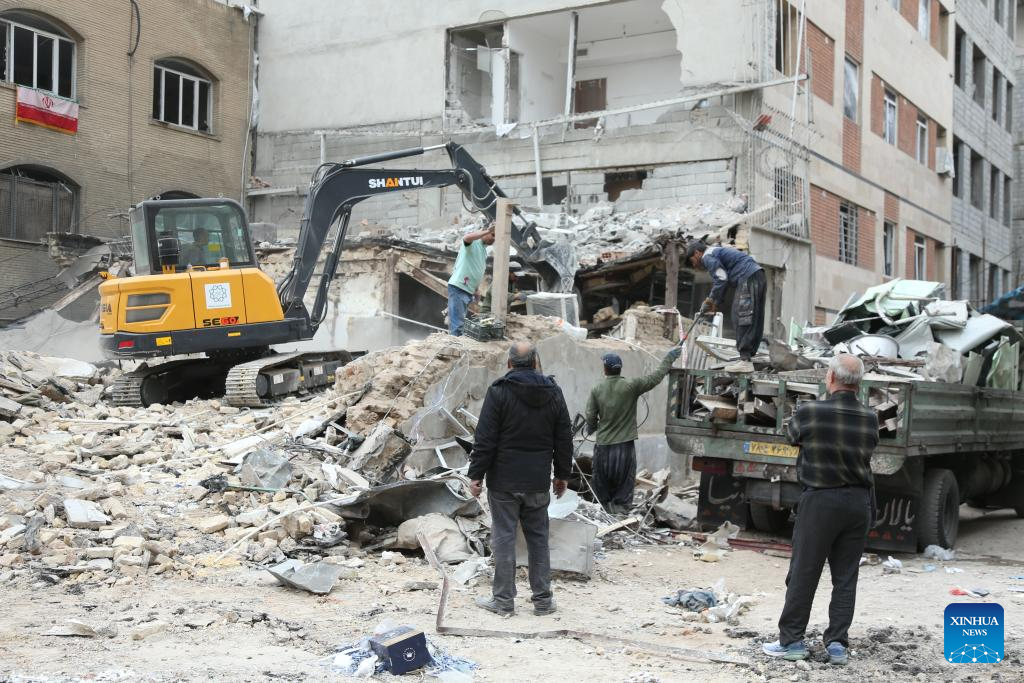
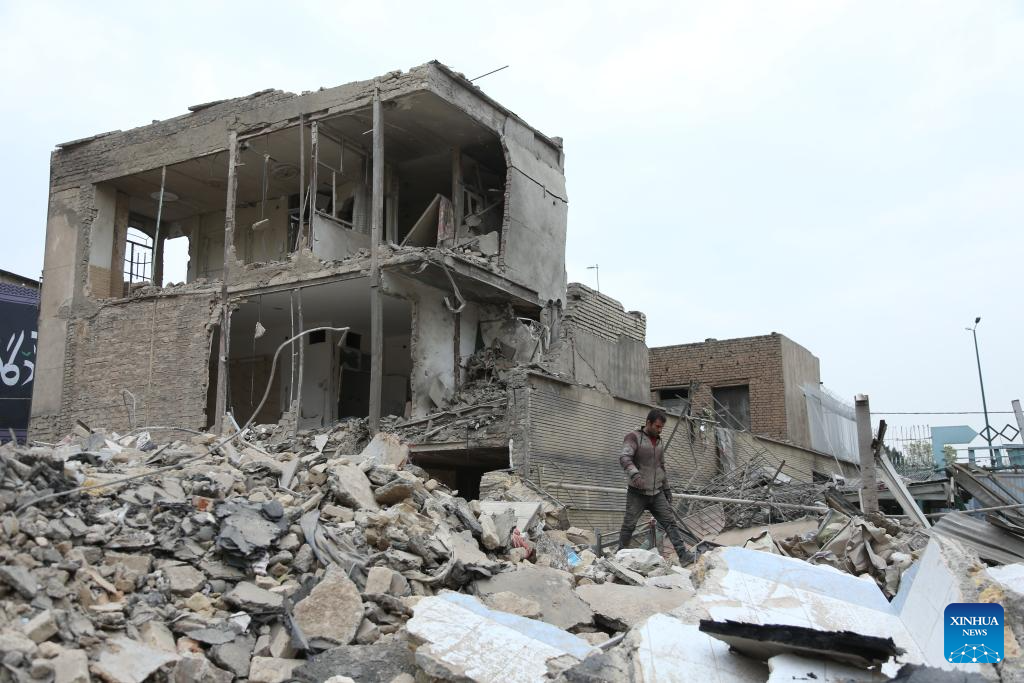
Widespread destruction across key Iranian cities
-
Rising civilian casualties across multiple nations
-
Increased military mobilization throughout the Middle East
The conflict has already claimed thousands of lives and continues to escalate with no immediate resolution in sight.
Humanitarian Crisis Deepens
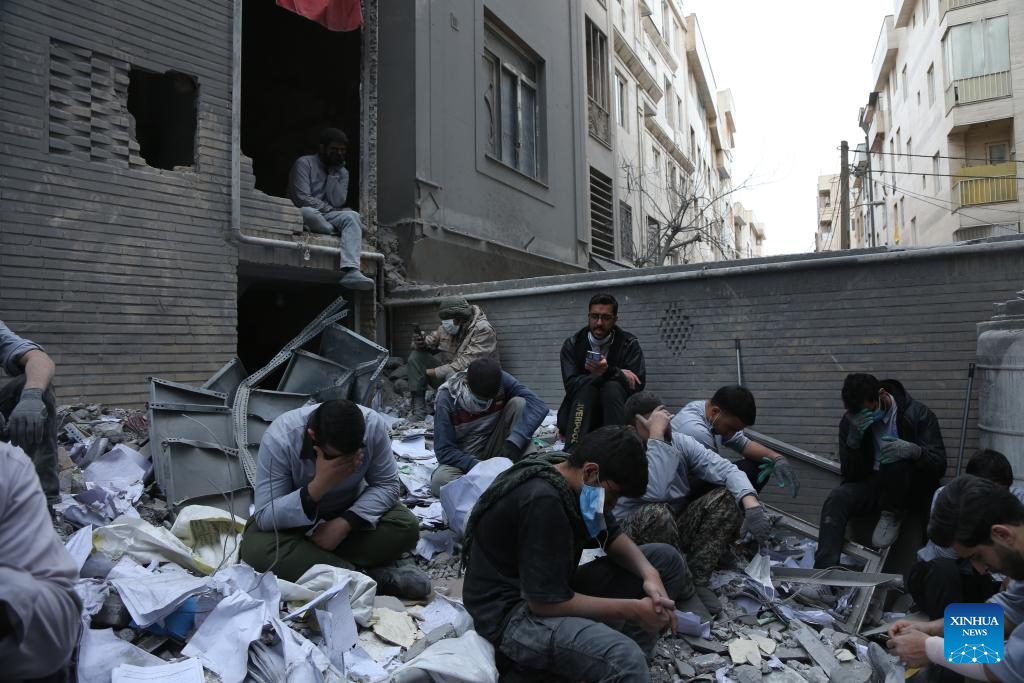
Beyond military targets, the human cost of the conflict is rapidly growing. A particularly tragic incident under investigation involves a deadly strike on a school in Iran, reportedly killing over 160 children.
Such events have sparked global outrage and renewed calls for accountability and restraint. Humanitarian organizations warn that continued escalation could lead to:
-
Mass displacement of civilians
-
Collapse of critical infrastructure
-
Severe shortages of food, water, and medical supplies
The targeting of infrastructure like desalination plants has further raised concerns about long-term environmental and humanitarian damage in an already water-scarce region.
Economic Shockwaves and Oil Market Turmoil
One of the most immediate global impacts of the Iran strikes aftermath is disruption to energy supplies. The Strait of Hormuz—a vital oil transit route—has become a focal point of tension.
Iran’s actions and threats in this area have already:
-
Increased oil prices worldwide
-
Disrupted shipping routes
-
Heightened fears of a global energy crisis
Key incidents, such as attacks on oil infrastructure and refineries, have further destabilized markets.
For economies dependent on oil imports, this crisis could translate into rising fuel costs, inflation, and economic uncertainty.
Regional and Global Security Concerns
The crisis has expanded beyond Iran and Israel, drawing in multiple countries across the Middle East. Missile and drone attacks have impacted nations such as:
-
Kuwait
-
United Arab Emirates
-
Saudi Arabia
In some cases, airspace closures and attacks on infrastructure have disrupted international travel and trade.
Meanwhile, over 200 U.S. troops have reportedly been wounded across the region, highlighting the growing involvement of global powers.
The risk of a broader regional war—or even a global confrontation—continues to rise as alliances are tested and military actions intensify.
Strategic Military Developments
The scale of military operations in Iran has been unprecedented. Hundreds of targets—including missile systems, air defenses, and military bases—have been struck in coordinated campaigns.
Key strategic objectives include:
-
Weakening Iran’s missile capabilities
-
Disrupting drone operations
-
Gaining air superiority over critical regions
Major operations, such as large-scale strikes on strategic locations like Kharg Island, highlight the intensity of the conflict and its importance in global energy logistics.
What Happens Next?
The aftermath of the Iran strikes leaves the Middle East at a dangerous crossroads. Several scenarios could unfold:
1. Continued Escalation
Ongoing retaliation could spiral into a full-scale regional war involving multiple nations.
2. Diplomatic Intervention
International pressure, particularly from global powers and organizations, may push for ceasefire negotiations.
3. Prolonged Conflict
A drawn-out conflict could destabilize the region for years, similar to past Middle Eastern wars.
Conclusion
The aftermath of the Iran strikes marks a critical moment in modern geopolitics. With rising casualties, economic instability, and growing international involvement, the Middle East crisis is far from over.
As the world watches closely, the decisions made in the coming days will determine whether this conflict escalates further—or moves toward resolution.