


A powerful earthquake struck Japan’s Kumamoto Prefecture on the southern island of Kyushu, causing widespread destruction, collapsing buildings, disrupting transportation, and launching one of the country’s largest emergency rescue operations in recent years. Authorities are continuing to assess the full extent of the disaster as rescue crews search for survivors trapped beneath debris and residents brace for ongoing aftershocks.
The earthquake, initially reported at magnitude 7.1 by some agencies and later revised by others, was strong enough to shake buildings across southwestern Japan. The tremor was followed by numerous aftershocks, further complicating rescue operations and increasing concerns about additional structural collapses.
Buildings Collapse as Rescue Operations Intensify
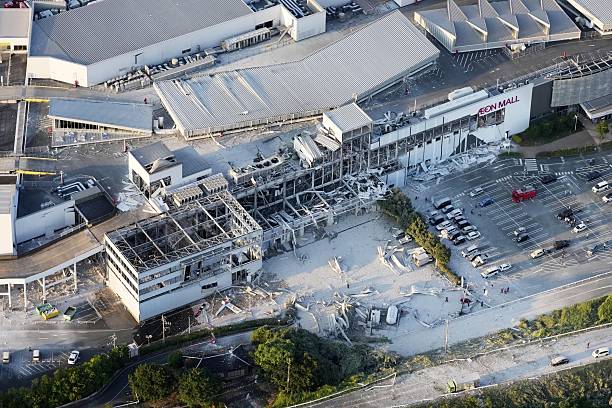
One of the most serious incidents occurred when part of a large shopping mall collapsed following the quake. Emergency crews rushed to the scene after reports that numerous people were trapped beneath the rubble. Firefighters, police officers, and Japan’s Self-Defense Forces have been working around the clock to search for survivors using heavy equipment, rescue dogs, and specialized search teams.
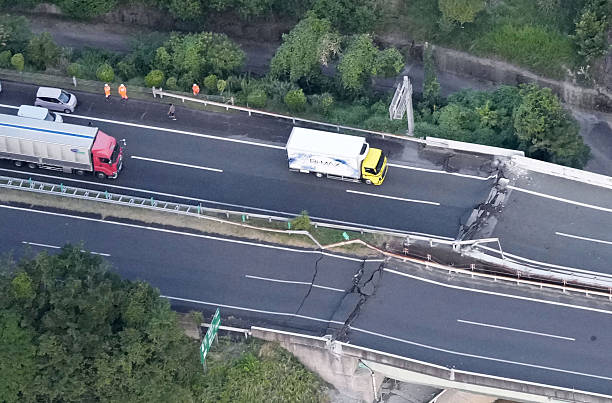
Officials also reported structural damage to homes, commercial buildings, roads, and bridges throughout Kumamoto Prefecture.
Hundreds of Thousands Urged to Evacuate
Japanese authorities issued evacuation advisories affecting approximately 300,000 residents as concerns grew over damaged buildings, landslides, and continuing seismic activity.
Emergency shelters were opened across the region, while residents were urged to remain alert for powerful aftershocks that could continue for days. Japan’s Meteorological Agency warned that additional strong tremors remain possible following the main earthquake.
Transportation and Infrastructure Severely Disrupted
The earthquake caused widespread disruptions across southern Japan.
Officials suspended portions of high-speed rail service, temporarily halted some flights, and closed several highways after cracks and other structural damage were discovered. Thousands of homes also lost electrical power, while some communities experienced interruptions to water and communication services.
Several major manufacturers temporarily suspended operations as safety inspections were carried out at factories throughout the region.
Hospitals Treat Scores of Injured
Medical facilities across Kumamoto quickly activated emergency response plans as injured residents began arriving for treatment.
Officials reported more than 100 injuries, ranging from minor cuts to more serious trauma caused by falling debris and collapsed structures. Authorities cautioned that casualty figures could change as rescue efforts continue and additional information becomes available.
Japan’s Earthquake Preparedness Tested Again
Japan is one of the world’s most earthquake-prone nations because it sits along the Pacific Ring of Fire, where several tectonic plates converge.
The latest disaster revived memories of the devastating 2016 Kumamoto earthquakes, which caused widespread destruction and hundreds of deaths. Since then, Japan has continued investing heavily in earthquake-resistant construction, early warning systems, and disaster preparedness programs.
Government Mobilizes Emergency Response
Prime Minister Sanae Takaichi announced the creation of an emergency task force and authorized the deployment of hundreds of military personnel to assist local authorities.
Search-and-rescue teams continue working in hazardous conditions as engineers inspect damaged infrastructure and emergency officials coordinate relief efforts for displaced residents. Authorities have also urged people to prepare for additional aftershocks and avoid entering damaged buildings.
What’s Next?
Emergency responders remain focused on locating anyone still trapped beneath collapsed structures while engineers assess the safety of buildings, bridges, and transportation networks.
Officials expect recovery efforts to continue for several days as aftershocks persist and damage assessments become more complete. Residents have been encouraged to monitor official advisories and remain prepared for additional seismic activity.
Bottom Line
The powerful earthquake that struck Kumamoto has once again demonstrated Japan’s resilience in the face of natural disasters. While emergency crews continue searching for survivors and restoring essential services, the nation is rallying to support affected communities during a critical period of rescue and recovery.
As authorities continue evaluating the damage, the focus remains on saving lives, assisting displaced residents, and ensuring public safety as aftershocks continue across the region.