


🌍 SpaceX’s Latest Milestone: 10,000+ Starlink Satellites in Orbit
In a remarkable achievement for satellite-internet infrastructure, SpaceX has officially passed the mark of 10,000 satellites launched under its Starlink program — a milestone reached in late October 2025.
-
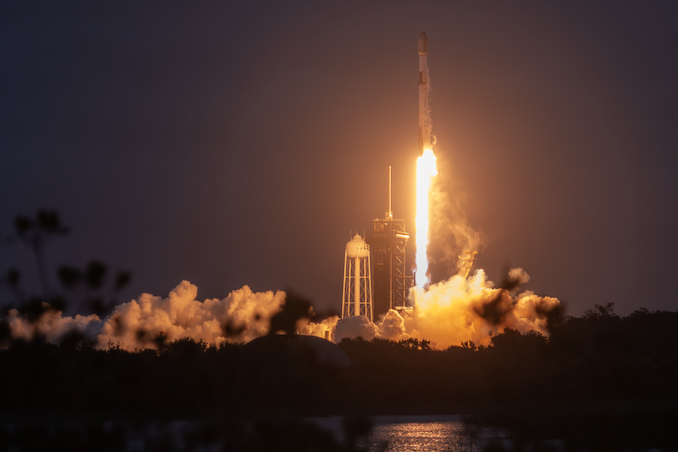
The milestone was commemorated following two back-to-back launches: one from Florida and another from California. The California launch delivered the “10,000th” Starlink satellite into orbit.
-
According to publicly available trackers, out of the more than 10,000 Starlink satellites launched, around 8,600+ remain operational.
-
With frequent launch cadence throughout 2025 — thanks to repeated use of the reusable Falcon 9 rockets — Starlink’s constellation continues to swell, reinforcing its status as the world’s largest active satellite-internet network.
📡 What This Means for Global Connectivity
– Expanding Internet Access — Especially in Underserved Regions
With thousands of satellites in low Earth orbit (LEO), Starlink is increasingly able to deliver broadband internet to remote or underserved regions — where traditional fiber-optic or terrestrial broadband isn’t practical. The scale of deployment brings global coverage closer to reality.
– Increased Reliability & Network Resilience
A large constellation improves redundancy — if one satellite goes offline, others can cover the gap. This helps ensure more consistent coverage worldwide, important for both everyday users and remote areas.
– Faster Internet, More Use Cases on the Horizon
As the network expands, bandwidth and capacity increase. This can support more intensive applications: streaming, video calls, remote work — and even connectivity in places previously offline. Additionally, expansions may support new services (e.g. mobile connectivity, remote-site broadband).
⚠️ Bigger Scale — Bigger Challenges
The expansion isn’t without potential issues and trade-offs:
-
Orbital congestion & space environment risks: Deploying tens of thousands of satellites increases the density of objects in LEO, raising concerns about collisions, orbital debris, and long-term sustainability.
-
Potential impact on astronomy and space observations: A large number of active satellites can interfere with ground- and space-based telescopes, complicating observations of faint celestial objects. This issue has been raised by scientists and astronomy-watchers alike.
-
Regulatory and ethical questions: As a single corporation controls an ever larger share of LEO infrastructure, questions emerge about governance, global access, fair usage, and the environmental impact of satellite megaconstellations.

🔭 What’s Ahead for Starlink & SpaceX
-
SpaceX has not only proven its capability to launch at scale but shown the reusability of its rockets allows rapid deployment — enabling Starlink to grow faster than many expected.
-
Given the momentum, Starlink’s global broadband coverage could expand quickly — making high-speed internet accessible in remote areas, islands, developing regions, and underserved communities worldwide.
-
However, maintaining a constellation of this size will require continued vigilance: satellite health, orbital management, space-debris mitigation, and coordination with international stakeholders.
✅ Why This Milestone Matters (For Governments, Businesses & Individuals)
-
For governments and policymakers: Starlink presents an opportunity to bridge the digital divide in rural or remote areas — improving connectivity, education, economic growth, and access to global information.
-
For businesses and remote-work professionals: Reliable broadband from space can unlock operations in remote locations, offshore projects, logistics, research bases — anywhere a stable wired connection isn’t feasible.
-
For ordinary users in underserved regions: It could mean affordable, high-speed internet — changing how people access education, markets, communication, and information.
✍️ Conclusion
SpaceX’s achievement of launching over 10,000 satellites under the Starlink program marks more than a technical feat — it signals a paradigm shift in how global internet connectivity may be delivered in the coming years. By combining scale, reusability, and ambition, Starlink stands to transform access to broadband — especially for regions currently left behind by conventional infrastructure. That said, with such massive growth comes responsibility. Managing orbital space responsibly, protecting the environment (on Earth and in orbit), and ensuring fair, inclusive access will be critical as Starlink expands further.