


A Major Escalation in the Iran Conflict
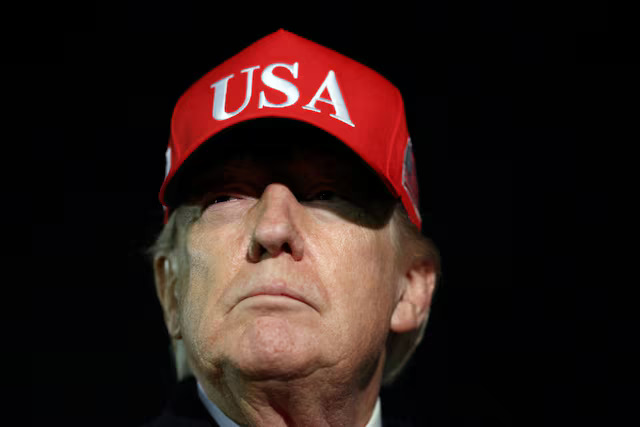
U.S. President Donald Trump has ordered a naval blockade targeting Iran, marking one of the most dramatic escalations in the ongoing conflict.
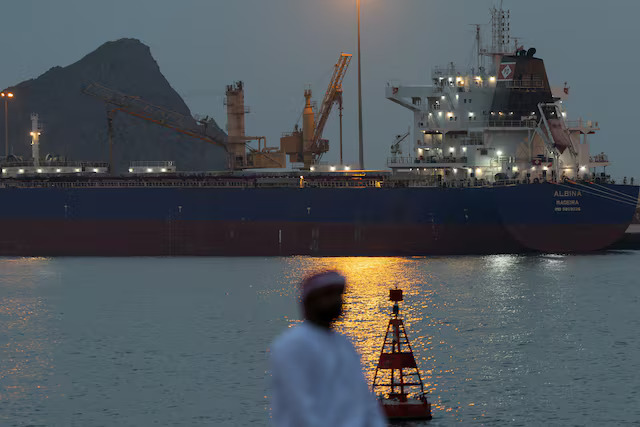
The move focuses on the strategically critical Strait of Hormuz—a narrow shipping route responsible for roughly 20% of the world’s oil supply.
With tensions already high, experts warn this decision could push the region closer to a wider war.
What the Blockade Means
The U.S. military, under Central Command, began enforcing the blockade on April 13, 2026.
Key details include:
- Ships entering or leaving Iranian ports can be intercepted or seized
- Neutral ships can still pass through if not tied to Iran
- Humanitarian shipments are allowed but subject to inspection
The goal, according to U.S. officials, is to cut off Iran’s oil exports and pressure Tehran into negotiations.
Trump Issues Stark Warning
Trump delivered a strong message to Iran’s military forces:
- Any Iranian vessels approaching the blockade zone will be “eliminated”
- The U.S. claims Iran’s larger navy has already been significantly weakened
- Smaller “fast-attack” boats are now considered the main threat
This warning has raised fears of direct naval clashes in the region.
Why the Strait of Hormuz Matters
The Strait of Hormuz is one of the most important waterways on Earth.
- Connects the Persian Gulf to global markets
- Handles massive oil and gas shipments daily
- Any disruption can impact fuel prices worldwide
Even partial restrictions have historically caused major economic ripple effects.
Oil Prices Surge and Markets React
Global markets responded immediately to the announcement:
- Oil prices jumped above $100 per barrel
- Energy stocks rose while broader markets declined
- Analysts warned of potential inflation and economic instability
The blockade is already being felt far beyond the Middle East.
Iran Responds With Threats
Iran has strongly condemned the blockade, calling it illegal and provocative.
Officials warned:
- Any military presence near the strait could be seen as a ceasefire violation
- Retaliation could target ports across the region
- The situation could escalate rapidly if provoked
This sets the stage for a potentially dangerous standoff.
What Triggered the Crisis?
The blockade follows the collapse of U.S.-Iran peace talks held in Pakistan.
- Negotiations failed to reach agreement on key issues
- A fragile ceasefire had been in place just days earlier
- The blockade signals a shift back toward confrontation
Analysts say this move may be both a military strategy and a negotiation tactic.
Global Concerns Grow
The international response has been mixed:
- Some allies support protecting shipping routes
- Others warn the blockade could harm the global economy
- Shipping and logistics industries face major uncertainty
The situation highlights how regional conflicts can quickly become global crises.
Why This Story Matters
This development goes far beyond a single policy decision:
1. Risk of Wider War
Direct confrontation between U.S. and Iranian forces could escalate quickly.
2. Global Economic Impact
Energy prices and supply chains are already being affected.
3. Strategic Power Struggle
Control of key waterways like Hormuz is central to global influence.
4. Diplomatic Breakdown
Failed negotiations signal a move away from peaceful resolution.
Bottom Line
The blockade of the Strait of Hormuz marks a turning point in the U.S.-Iran conflict.
A critical trade route is now under military control.
Global markets are reacting.
And tensions are rising by the hour.
Whether this leads to renewed negotiations—or a deeper conflict—remains uncertain.
But one thing is clear:
What happens in the Strait of Hormuz won’t stay there—it will impact the entire world.