
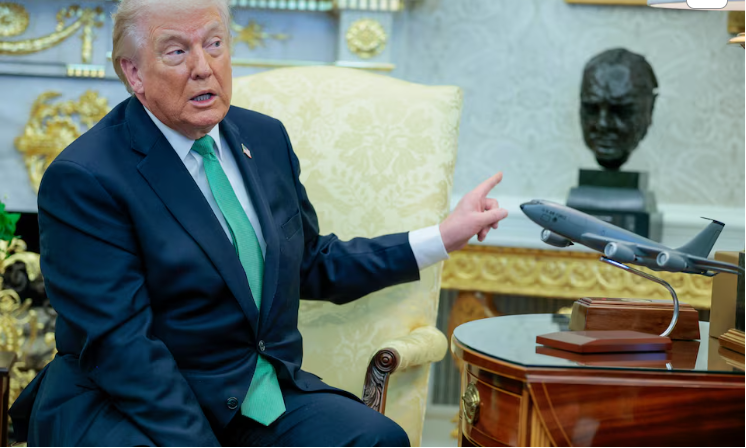

In a striking statement that’s shaking global politics, Donald Trump revealed that most NATO allies declined to participate in the ongoing Iran military operation—while boldly insisting that the United States “never needed help” in the first place.
The remarks, highlighted in a Fox News report, signal a deepening divide between the U.S. and its traditional allies at a critical moment in the Middle East crisis.
NATO Allies Refuse to Join the Iran Operation
According to recent reports, many NATO countries agreed with the U.S. stance on Iran—but stopped short of committing military support.
The primary point of contention revolves around operations in the Strait of Hormuz, a vital oil route that Iran has disrupted using drones, missiles, and naval threats.
Despite U.S. calls for international cooperation to secure the region, key allies—including major European nations—have refused to get directly involved in combat operations.
This reluctance reflects growing caution among global powers about being pulled into a wider Middle East war.
“We Don’t Need Help”: Trump’s Strong Response
Trump didn’t hold back in his reaction.
He criticized NATO allies for what he described as a lack of support, calling their stance a “mistake” while simultaneously emphasizing America’s military strength.
At the same time, he made it clear:
-
The U.S. is capable of handling the Iran operation alone
-
American military power is unmatched
-
Allied support, while welcome, is not necessary
In fact, Trump doubled down on the idea that the United States can achieve its objectives independently, reinforcing his long-standing “America First” approach.
A Growing Rift Within NATO
Trump’s comments highlight a widening fracture within NATO.
For decades, NATO has symbolized unity among Western allies. But the Iran conflict is testing that unity like never before.
Key issues driving the divide include:
-
Fear of escalation into a full-scale regional war
-
Economic concerns, especially rising oil prices
-
Political resistance within European countries
Some leaders have even openly stated that the Iran conflict is “not their war,” signaling a shift away from automatic alignment with U.S. military actions.
Strategic Importance of the Strait of Hormuz
At the center of the dispute is the Strait of Hormuz—one of the world’s most critical النفط chokepoints.
-
Roughly 20–30% of global oil supply passes through this route
-
Disruptions have already triggered spikes in global energy prices
-
Securing the strait is a top priority for the U.S. and its allies
Trump has pushed for multinational involvement in protecting shipping lanes, but the lack of support has complicated those efforts.
Global Implications
The fallout from this disagreement goes far beyond the Middle East.
1. Weakened Alliances
The refusal of NATO allies to participate raises questions about the future of global military cooperation.
2. Increased U.S. Isolation
Trump’s stance may signal a shift toward more unilateral military actions.
3. Rising Global Tensions
With fewer allies involved, the risk of miscalculation—and escalation—could increase.
4. Economic Uncertainty
Oil market instability continues to ripple across global economies.
Political Strategy or Reality?
Trump’s message serves two purposes:
-
Domestically: Reinforces his image as a strong leader who doesn’t rely on others
-
Internationally: Pressures allies by publicly calling out their reluctance
However, critics argue that distancing allies could weaken long-term strategic partnerships—especially in prolonged conflicts.
Conclusion
Trump’s claim that NATO allies don’t want to get involved in the Iran operation—and that the U.S. doesn’t need them—marks a defining moment in modern geopolitics.
As tensions escalate in the Middle East, the divide between the United States and its allies could reshape the global balance of power for years to come.
One thing is clear:
This is no longer just a regional conflict—it’s a test of international unity.