

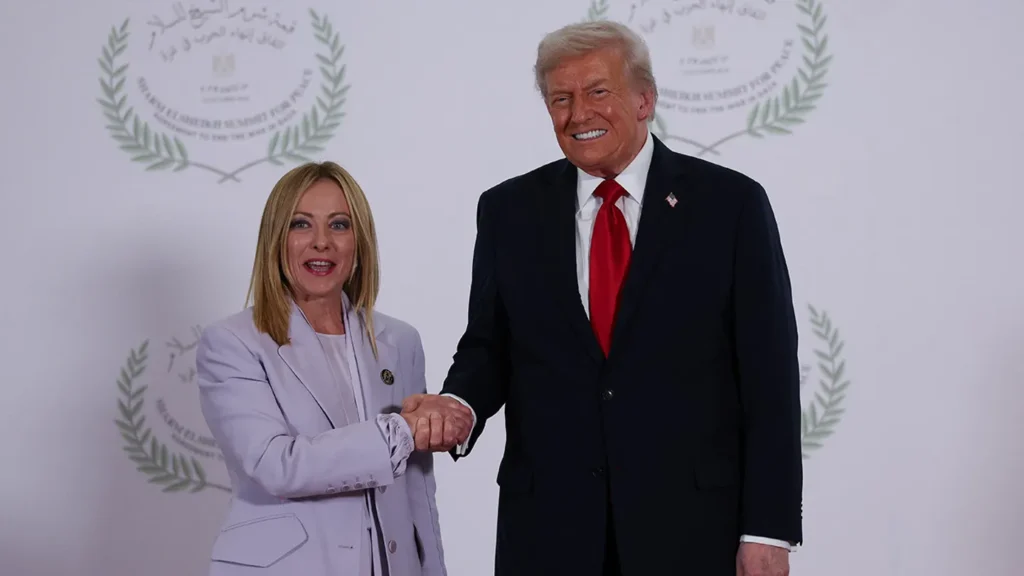

A growing divide between the United States and its European allies is emerging as several key nations block U.S. military flights tied to the Iran war, signaling one of the most serious transatlantic rifts in recent years.
According to Fox News report, countries including Italy, Spain, and France have restricted U.S. access to airspace and military bases—raising concerns about NATO unity and the future of global military cooperation.
✈️ Allies Deny Airspace and Base Access
In a major shift, multiple U.S. allies have taken steps to limit involvement in the escalating conflict:
- Italy reportedly denied U.S. aircraft permission to land at a key air base in Sicily
- Spain closed its airspace and blocked access to joint military bases
- France refused overflight for aircraft transporting military supplies
These moves are significant because U.S. operations in the Middle East rely heavily on European bases as staging hubs for air missions.
🌍 Why This Is a Big Deal
Military analysts say these restrictions could directly impact U.S. operations:
- European bases are critical for refueling and logistics
- Airspace access is essential for rapid deployment
- Delays or rerouting could weaken operational efficiency
Experts describe the situation as a “transatlantic crisis”, reflecting deeper tensions between Washington and its allies.
⚠️ Growing Rift Within NATO
The fallout highlights a widening divide within the NATO alliance, traditionally one of the strongest military partnerships in the world.
Recent developments show:
- European nations increasingly reluctant to support the war
- Concerns over lack of consultation before military action
- Disagreements over strategy and long-term goals
Some countries have emphasized that their refusal applies specifically to offensive operations in Iran, not broader NATO commitments.
🔥 Trump Responds With Criticism
President Donald Trump has publicly criticized allied nations for refusing support, calling out countries like France, Spain, and Italy.
Reports indicate Trump has:
- Pressured allies to contribute more militarily
- Questioned their commitment to shared defense
- Suggested the U.S. may reconsider aspects of alliance cooperation
The rhetoric has intensified diplomatic tensions, with some leaders pushing back against what they see as unilateral U.S. decision-making.

🌐 A Broader Pattern of Resistance
The flight restrictions are part of a larger trend:
- Several allies have declined to join operations in the Strait of Hormuz
- Others have limited support to defensive roles only
- Public opposition to the war is growing across Europe
This reflects a shift toward strategic independence among U.S. allies, particularly in Europe.
⚡ Impact on the Iran War
The lack of allied support could have major consequences:
- Slower or more complex U.S. military operations
- Increased costs and logistical challenges
- Greater diplomatic isolation for Washington
At the same time, the conflict itself continues to escalate, with ongoing strikes, regional instability, and rising global economic concerns.
📊 Final Thoughts
The decision by key allies to block U.S. military flights marks a turning point in international relations during the Iran war.
What was once a unified Western front is now showing visible cracks—raising critical questions about:
- The future of NATO cooperation
- America’s global leadership role
- How wars will be fought in an increasingly multipolar world
👉 As the conflict continues, the biggest battle may not just be on the battlefield—but within the alliances themselves.