

High Stakes as Trump Considers How to Respond to Iran Protest Crackdown
U.S. President Donald Trump is weighing a range of possible responses to the violent crackdown on nationwide protests in Iran, signaling that military, cyber and sanctions options are all under consideration — even as Iranian officials say official communication channels with the United States remain open.
The situation highlights escalating tensions between Washington and Tehran — one driven both by Iran’s internal unrest and broader U.S. strategic concerns about regional stability and human rights.
What Triggered the U.S. Response Consideration?
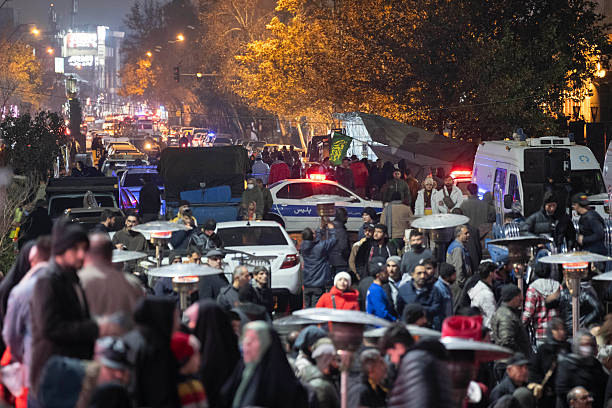
Protests in Iran began in late December amid severe economic hardship, a sharp decline in the rial’s value, and rising discontent with the Iranian government’s policies. What started as demonstrations over basic living conditions quickly evolved into broader anti-regime protests.
Rights groups estimate that more than 500 demonstrators and dozens of security personnel have been killed, with over 10,600 arrests since the unrest began — although Iranian authorities do not provide official figures.
Iran has also restricted internet access nationwide, complicating external reporting and limiting the flow of information.
Trump Signals Strong Options Under Review
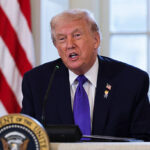
President Trump has publicly warned that the United States might respond forcefully if the Iranian government continues to use lethal force against its own citizens, telling reporters that Iran’s leaders have contacted the U.S., but that Washington “may have to act before a meeting.”
According to reporting, Trump’s advisers are reviewing a range of options that could include:
✔ Military strikes against key Iranian strategic or military targets
**✔ Cyber operations designed to disrupt regime infrastructure
**✔ Expanded sanctions package targeting Iranian elites
✔ Expanded support for Iranian opposition groups
✔ Restoring internet access inside Iran through alternative platforms — such as exploring satellite technology to bypass government blackouts.
Trump has emphasized that he is receiving hourly updates on the situation and has condemned the crackdown, telling reporters the U.S. is “locked and loaded” to assist demonstrators if violence continues.
Tehran Says Communication With Washington Is Ongoing
Despite rising tensions and very public warnings from the U.S. president, Iran says that diplomatic channels remain open. Foreign ministry officials confirm that the communication channel between Iran’s Foreign Minister Abbas Araqchi and the U.S. special envoy (Steve Witkoff) is operational — with messages exchanged when necessary. Contacts also continue through Switzerland, which has traditionally acted as an intermediary between the two countries.
Iran’s government insists it is “a country that never left the negotiating table,” though officials also criticize what they describe as contradictory U.S. messages.
Araqchi has also told foreign diplomats in Tehran that the Islamic Republic is prepared for war if necessary while remaining conditionally open to dialogue.
Mixed Signals and Diplomatic Complexity
The evolving situation reflects a deeper diplomatic complexity:
-
Trump says Iran reached out expressing interest in negotiations, possibly relating to nuclear issues, and that a meeting is being set up.
-
But Trump also warns that action may be necessary before any formal meeting takes place if the crackdown continues.
-
Tehran responds that contradictory messaging from the U.S. weakens trust, yet it maintains communication channels.
This dual posture — openness to contact paired with mutual skepticism — underscores ongoing U.S.–Iran tensions amid domestic upheaval in Tehran.
Iran’s Domestic Response to Foreign Pressure
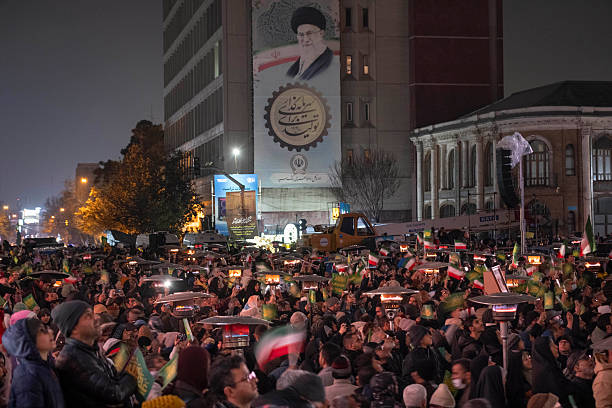
Iranian officials have repeatedly framed the protests as influenced by external forces. State media blames foreign “interference” — particularly by the U.S. and Israel — for the unrest, and hardline leaders have sought to mobilize pro-government rallies.
Additionally, Iran’s parliament speaker has warned that any foreign military action could make U.S. and Israeli military interests legitimate targets.
International Reactions and Wider Diplomatic Tensions
The Iranian crackdown has drawn widespread international concern, with calls for restraint from global figures and organizations, including the United Nations and several European governments. At the same time, sanctions and diplomatic pressure have increased as human rights abuses mount.
Trump’s approach reflects a broader strategy of preventing further escalation and backing demonstrators, while still keeping diplomatic doors open. But experts warn that any military action carries serious risks, including instability and civilian harm.
What Comes Next? Key Issues to Watch
For the coming days and weeks, analysts say the world will be watching:
-
Whether Trump’s administration formally signals a preferred strategy — diplomatic, economic or military
-
Whether planned negotiations with Tehran take shape
-
How Iranian leadership manages internal unrest and external pressure
-
Whether international partners (e.g., European allies or mediators like Oman) play a more active role
All of these could shape the trajectory of U.S.–Iran relations and the outcome of a crisis that has already captured global attention.