
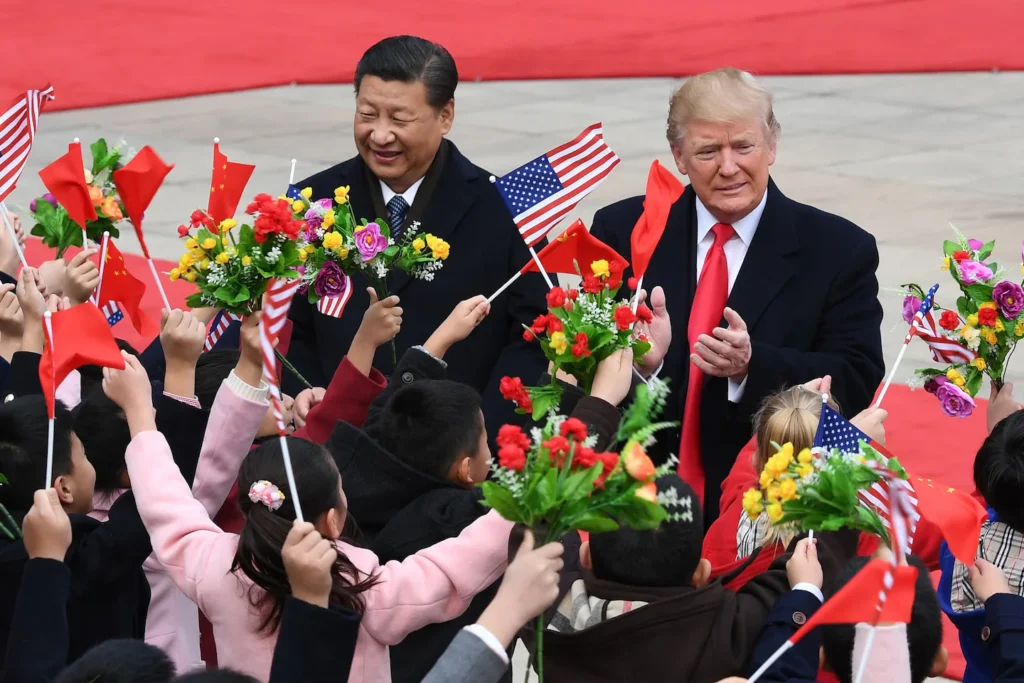

Global attention is now turning toward Beijing as President Donald Trump prepares for a major diplomatic summit with Chinese President Xi Jinping. The upcoming meeting is being viewed as one of the most important geopolitical events of 2026, with implications for trade, Taiwan, technology, military strategy, and the future of U.S.-China relations.
The summit comes during a period of growing global instability, including tensions in the Middle East, ongoing economic uncertainty, and shifting international alliances. Analysts believe the meeting could influence the balance of global power for years to come.
Why the Trump-Xi Meeting Matters
Relations between the United States and China remain among the most important diplomatic relationships in the world. The two nations are deeply connected through trade, technology, manufacturing, finance, and military influence.
However, tensions have continued to grow over several key issues, including Taiwan, tariffs, cybersecurity, rare earth minerals, artificial intelligence, and military activity in the Indo-Pacific region.
Chinese President Xi Jinping is reportedly entering the summit from a position of growing confidence, with Beijing expanding its influence economically and strategically. At the same time, President Trump faces mounting international pressure tied to conflicts in the Middle East and concerns about America’s global leadership position.
Political experts suggest that both leaders are approaching the meeting with different priorities and long-term goals.
Taiwan Remains a Major Flashpoint
One of the biggest issues expected to dominate discussions is Taiwan. China continues to claim Taiwan as part of its territory and has increased pressure on Washington to change its diplomatic language regarding Taiwanese independence.
Reports indicate that Beijing wants stronger acknowledgment of China’s sovereignty claims over Taiwan, while the United States continues maintaining its long-standing policy of strategic ambiguity.
The Taiwan issue has become increasingly sensitive as military activity in the region grows and concerns rise about possible future conflict in the Indo-Pacific.
Many analysts believe Taiwan could become the defining issue in future U.S.-China relations, especially as both countries continue strengthening military capabilities in the region.
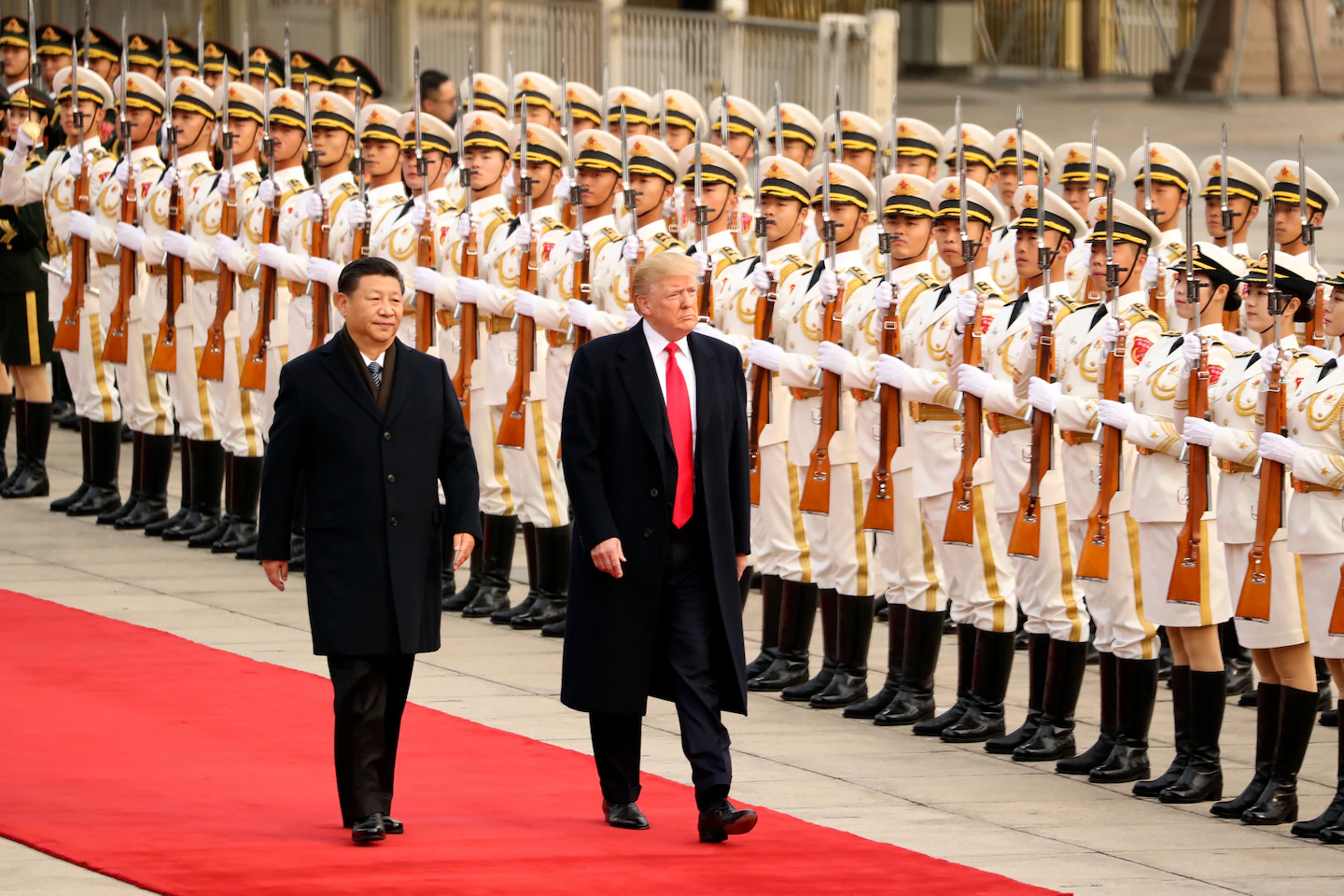
Trade and Economic Negotiations Return to the Spotlight
Trade is expected to be another central topic during the Beijing summit. Both countries continue dealing with the aftermath of years of tariffs, export restrictions, and economic rivalry.
According to analysts, Trump is expected to push for larger Chinese purchases of American goods, including agriculture, energy, and manufacturing products. Meanwhile, China is seeking relief from certain U.S. trade restrictions and technology controls.
Rare earth minerals and advanced semiconductor technologies are also expected to play a major role in negotiations. China currently holds significant leverage in global rare earth supply chains, giving Beijing additional influence in economic discussions.
Both sides appear interested in stabilizing economic relations, though deep disagreements remain unresolved.
Iran and Global Security Add Pressure to the Summit
The ongoing Iran conflict is creating additional complications for the Trump-Xi meeting. China maintains strong economic ties with Iran and remains one of the largest buyers of Iranian oil.
Meanwhile, the United States is heavily involved in diplomatic and military efforts connected to the Middle East crisis. Reports suggest the Iran war has shifted American military attention away from Asia, potentially giving China greater strategic flexibility in the Indo-Pacific region.
Analysts believe Trump may seek China’s cooperation in reducing tensions involving Iran, while Beijing could use the situation to strengthen its diplomatic influence globally.
The Iran issue highlights how interconnected today’s geopolitical conflicts have become.
Technology and Artificial Intelligence Concerns
Beyond trade and military strategy, technology competition is becoming a major area of concern between Washington and Beijing.
Artificial intelligence, cybersecurity, semiconductor production, and advanced communications infrastructure are all expected to be discussed during the summit. Experts warn that both nations are racing to dominate next-generation technologies that could shape economic and military power in the coming decades.
Some reports suggest the leaders may discuss creating new communication frameworks and technology safeguards to reduce the risk of cyber conflict and AI-related security threats.
The growing AI race between the United States and China is now viewed as one of the most critical strategic competitions in the world.
China’s Growing Confidence on the Global Stage
Observers note that Xi Jinping appears increasingly confident in China’s global position. Beijing has expanded its influence through infrastructure investments, trade partnerships, technological development, and diplomatic outreach across Asia, Africa, and the Middle East.
The summit is also an opportunity for China to project stability and leadership at a time when global uncertainty remains high.
Chinese officials reportedly believe the current geopolitical climate gives Beijing additional leverage in negotiations with Washington.
At the same time, U.S. allies in Asia are watching closely to see how Trump approaches security commitments involving Taiwan, Japan, and regional stability.
Business Leaders and Economic Opportunities
Reports indicate several major American business leaders may accompany Trump during the China visit. The trip could include discussions involving large investment deals, corporate partnerships, and expanded economic cooperation between American companies and Beijing.
Global financial markets are closely monitoring the summit because any improvement in U.S.-China relations could positively affect international trade and investor confidence.
However, continued tensions could also increase market uncertainty and disrupt supply chains worldwide.
Final Thoughts
The upcoming meeting between Donald Trump and Xi Jinping is far more than a symbolic diplomatic event. It represents a major moment in global politics, with consequences that could affect trade, security, technology, energy markets, and international alliances.
As both leaders prepare for high-stakes negotiations in Beijing, the world will be watching for signs of cooperation, compromise, or further geopolitical confrontation.
The outcome of this summit could shape the future of U.S.-China relations and global stability throughout the remainder of the decade.