

Trump, Iran, and the Growing Global Tension Over Nuclear Talks
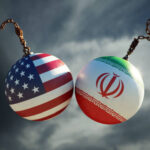
Global attention is once again focused on the Middle East as tensions between the United States and Iran continue escalating. Discussions involving President Donald Trump, Iran’s nuclear program, and the strategic Strait of Hormuz are now influencing global energy markets, international diplomacy, and economic stability worldwide.
As negotiations intensify, world leaders are watching closely to see whether diplomacy can prevent a deeper conflict. The outcome of these talks could affect everything from oil prices and inflation to global shipping routes and international security.
Recent developments surrounding Iran’s response to U.S. peace proposals have created new uncertainty in financial markets and political circles alike.
Why the Strait of Hormuz Matters to the World
The Strait of Hormuz is one of the most important waterways on the planet. A significant portion of the world’s oil supply passes through this narrow shipping route every day, making it essential to global trade and energy stability.
Any disruption in the region immediately affects oil markets, fuel prices, and international shipping costs. Analysts warn that prolonged instability could create major economic consequences for countries heavily dependent on imported energy.
Reports indicate that tensions in the Strait of Hormuz have already contributed to rising oil prices and growing concerns about supply disruptions.
The ongoing situation has also increased fears of a wider regional conflict involving neighboring countries and international military forces operating in the Gulf region.

Trump’s Hardline Position on Iran
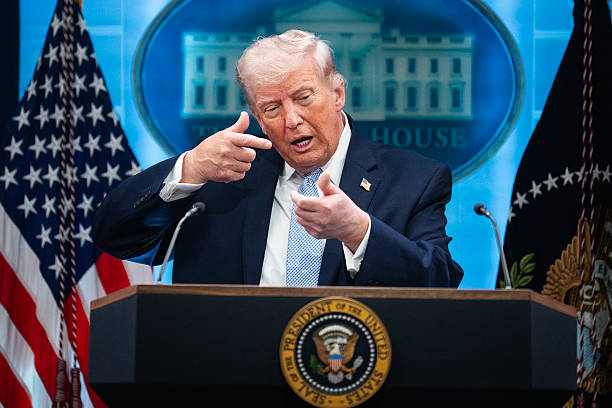
President Donald Trump has continued taking a firm stance against Iran’s nuclear ambitions. According to recent reports, Trump rejected Iran’s latest proposal regarding peace negotiations and nuclear discussions, calling the response “totally unacceptable.”
The Trump administration remains focused on limiting Iran’s ability to enrich uranium and expand its nuclear capabilities. American officials argue that preventing Iran from obtaining nuclear weapons is critical to maintaining regional and global security.
Iran, however, insists that its nuclear program is tied to national sovereignty and peaceful technological development. Iranian leaders have also demanded sanctions relief and greater control over regional trade routes as part of any future agreement.
These disagreements continue to slow negotiations and increase uncertainty surrounding the future of diplomatic relations between the two nations.
Nuclear Negotiations and the Risk of War
International observers remain concerned that failed negotiations could lead to further military escalation. Although both sides have participated in diplomatic discussions, reports suggest major disagreements still exist over uranium enrichment limits, sanctions relief, and regional military activity.
Military tensions in the Gulf region have already increased significantly in recent months. Reports of naval operations, drone activity, and security incidents involving commercial shipping have heightened fears of direct confrontation.
Political analysts warn that any major conflict involving Iran could destabilize global markets and place additional pressure on economies already struggling with inflation and rising energy costs.
Economic Impact on Americans and the Global Market
One of the biggest concerns surrounding the Iran crisis is its impact on the global economy. Oil price increases can quickly affect transportation, manufacturing, food prices, and household expenses around the world.
American consumers may especially feel the effects through higher gasoline prices and increased inflation. Businesses dependent on shipping and energy are also closely monitoring developments in the region.
Economic uncertainty tied to geopolitical conflict often causes volatility in stock markets and investment sectors. Financial experts believe prolonged instability could slow economic growth and create additional pressure on governments attempting to manage inflation and public spending.
The energy market remains highly sensitive to any news involving the Strait of Hormuz because of its critical role in global oil transportation.
Global Diplomacy Under Pressure
Several international governments and organizations are attempting to prevent further escalation between the United States and Iran. Diplomatic efforts involving mediators and regional allies continue behind the scenes as world leaders seek a peaceful resolution.
Countries dependent on Middle Eastern oil exports are particularly concerned about maintaining stability in the region. Global powers such as China, Russia, and European nations are also monitoring negotiations closely because of the potential economic and security consequences.
The situation highlights the growing complexity of international diplomacy in an increasingly unstable geopolitical environment.

Political Consequences for Trump and Washington
The Iran situation is also becoming a major political issue inside the United States. Foreign policy decisions involving Iran, military action, and energy security are expected to influence political debates heading into future elections.
Supporters of Trump argue that strong leadership is necessary to protect American interests and prevent nuclear threats. Critics, however, warn that aggressive policies could increase the risk of prolonged military conflict and economic instability.
Congressional leaders from both parties continue debating how the United States should balance diplomacy, sanctions, and military preparedness in dealing with Iran.
As tensions remain high, public opinion will likely play a major role in shaping future policy decisions.
The ongoing tensions between Donald Trump and Iran represent more than just another international dispute. They involve critical issues tied to nuclear security, global energy markets, economic stability, and the future of diplomacy in the Middle East.
With negotiations still uncertain and the Strait of Hormuz remaining a major geopolitical flashpoint, the world continues watching closely for signs of either peace or further escalation.
The decisions made in the coming weeks could have long-lasting consequences for global politics, financial markets, and international security.