
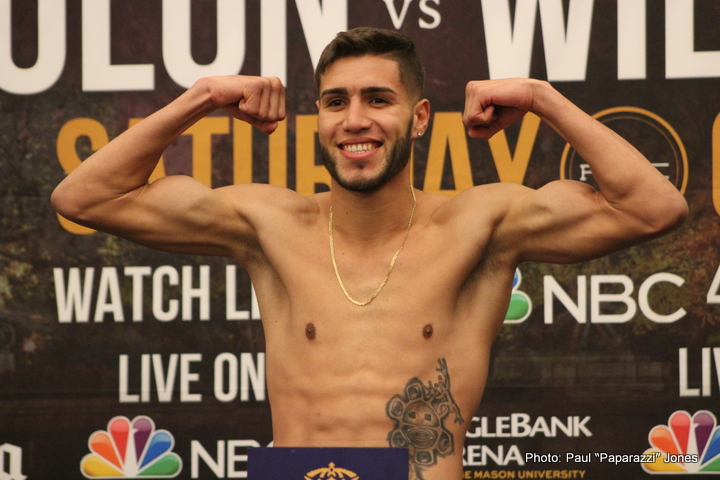


Former professional boxer Prichard Colón has died at the age of 33, nearly 11 years after suffering a devastating traumatic brain injury during a 2015 fight that ended his promising boxing career.
Colón, a Puerto Rican fighter who had built an undefeated professional record before the injury, died Thursday, August 13, 2026. His father, Richard Colón, confirmed his death. The exact cause of death has not been publicly disclosed.
His death brings renewed attention to one of boxing’s most tragic stories and to the potentially devastating consequences of head injuries in combat sports.
Prichard Colón’s Boxing Career Was Cut Short
Before the injury, Colón was considered one of boxing’s promising young prospects.
He entered his final professional fight with a 16-0 record, including 13 victories by knockout. At just 23 years old, he appeared to have a potentially bright future ahead of him.
That future changed dramatically on October 17, 2015.
Colón faced Terrel Williams in a welterweight bout at EagleBank Arena in Fairfax, Virginia.
What happened during and after the fight would permanently alter his life.
The 2015 Fight Against Terrel Williams
During the bout, Colón repeatedly complained about blows to the back of his head.
Such punches, commonly known as rabbit punches, are prohibited in boxing because of the serious risks associated with striking the vulnerable area at the back of the skull.
According to ESPN’s reporting, Colón was knocked down during the ninth round and later told the ringside doctor that he was experiencing dizziness. He was nevertheless allowed to continue.
The fight eventually ended in unusual circumstances when Colón’s corner removed his gloves after the ninth round, apparently believing the fight had ended.
Colón was subsequently disqualified.
The situation became far more serious after he left the ring.
Colón Collapsed After the Fight
After the bout, Colón became increasingly ill.
He vomited and eventually collapsed.
He was taken to a hospital, where doctors discovered that he had suffered a severe brain injury.
Emergency surgery was required to address the bleeding and swelling in his brain.
The injury left Colón in a coma for 221 days.
He eventually regained consciousness, but the damage had permanently changed his life.
Years of Care Followed
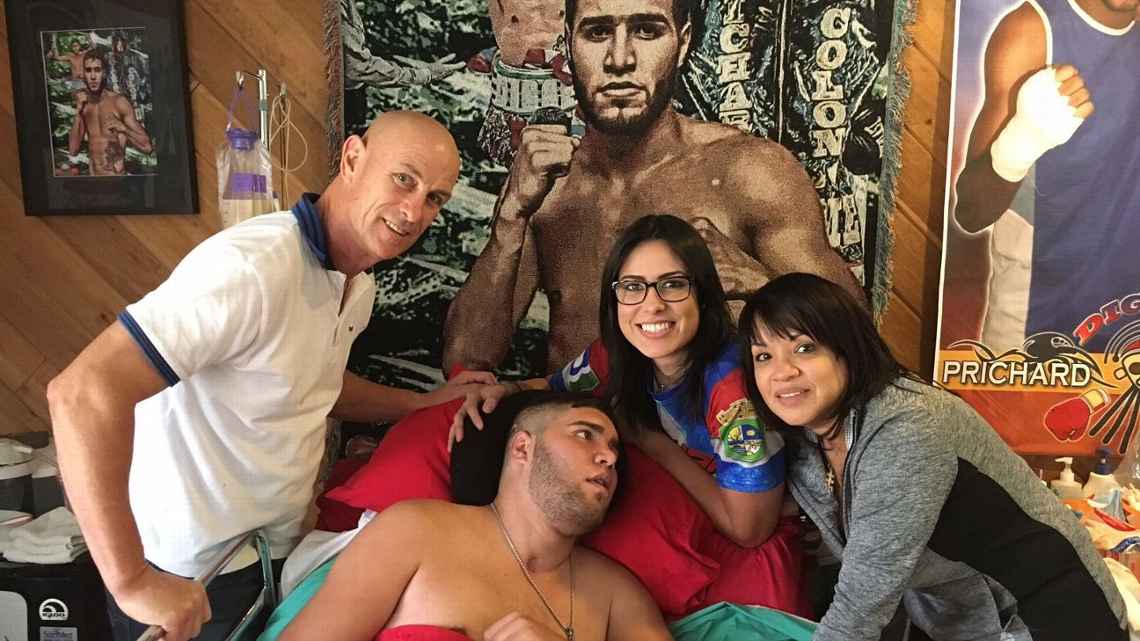
After leaving the hospital, Colón required extensive assistance and long-term care.
His family devoted years to supporting him and helping with his rehabilitation.
Although there were reports over the years of signs of progress, Colón remained severely disabled and dependent on others for daily care.
His story became known around the boxing world as an example of both the dangers of the sport and the extraordinary dedication of his family.
A Family’s Long Fight for Prichard
Colón’s parents, Richard and Nieves, remained closely involved in his care following the injury.
Their commitment continued for more than a decade.
The family also pursued legal action following the 2015 fight, seeking accountability over circumstances surrounding the injury and the medical care provided at ringside.
The case brought additional attention to questions surrounding fighter safety and the responsibilities of referees, ringside doctors and promoters.
A Promising Career That Never Got to Continue
Colón’s death is particularly heartbreaking because of what his career might have become.
He had won his first 16 professional fights and recorded 13 knockouts.
His record suggested a young fighter with considerable potential.
But his final fight became the last time he would ever compete professionally.
Instead of preparing for another bout, Colón spent the next 11 years battling the consequences of a catastrophic brain injury.
Boxing Community Mourns Colón
News of Colón’s death prompted renewed tributes from the boxing community.
Organizations and fighters had previously recognized his courage and resilience throughout his long recovery.
The World Boxing Council honored Colón as an honorary champion in 2021, reflecting the respect he had earned despite his career being cut short.
His story had already transcended boxing.
For many people, Colón represented perseverance in the face of unimaginable adversity.
The Dangers of Head Injuries in Boxing
Colón’s death also renews a difficult conversation about boxing safety.
Boxing is built around controlled physical combat, but repeated blows to the head can carry serious short- and long-term risks.
A severe traumatic brain injury can cause bleeding, swelling and permanent neurological damage.
Colón’s experience illustrates how quickly a promising athletic career can change following a serious head injury.
It also highlights the importance of medical personnel recognizing symptoms and making difficult decisions when a fighter appears to be compromised.
What Happened During Colón’s Final Fight?
The circumstances of the 2015 fight have remained controversial.
Colón repeatedly complained about punches to the back of his head.
He was also knocked down during the ninth round and reported feeling dizzy to the ringside doctor.
Following the bout, his condition deteriorated rapidly.
Those details have remained central to discussions about what could have been done differently that night.
However, it is important to distinguish between established facts surrounding the injury and broader claims about responsibility for it.
Terrel Williams Has Spoken About the Tragedy
Williams, who defeated Colón by disqualification, has previously expressed sympathy for Colón and his family.
The fight has followed Williams throughout his career because of the severe consequences suffered by his opponent.
The tragedy has therefore affected more than just Colón’s family.
It has also become part of Williams’ own story and the broader conversation surrounding responsibility and safety in professional boxing.
Prichard Colón’s Legacy
Although Colón’s professional boxing career ended after 16 victories, his story continued to inspire people around the world.
His family documented aspects of his rehabilitation and progress over the years, allowing supporters to follow his journey.
He became known not simply as a boxer, but as someone who endured an extraordinary physical and emotional battle.
His legacy will likely continue to influence conversations about athlete safety long after his death.
A Tragic Reminder for Boxing
Professional boxing has produced generations of champions and unforgettable sporting moments.
But behind the excitement is an undeniable physical risk.
Colón’s story demonstrates that the consequences of a boxing match can extend far beyond the final bell.
His injury occurred nearly 11 years before his death, yet its impact shaped virtually every remaining year of his life.
That reality makes his story particularly powerful.
The Bottom Line
Prichard Colón has died at 33, nearly 11 years after suffering a devastating brain injury during his 2015 professional fight against Terrel Williams.
Before that night, Colón was an undefeated young boxer with a 16-0 record and 13 knockouts and a promising career ahead of him.
Instead, a catastrophic injury left him requiring lifelong care.
His death marks the end of a heartbreaking chapter for his family and supporters while once again raising questions about safety in professional boxing.
More than a decade after the fight that changed his life, Prichard Colón will be remembered not only for his achievements inside the ring, but also for his resilience outside it.