

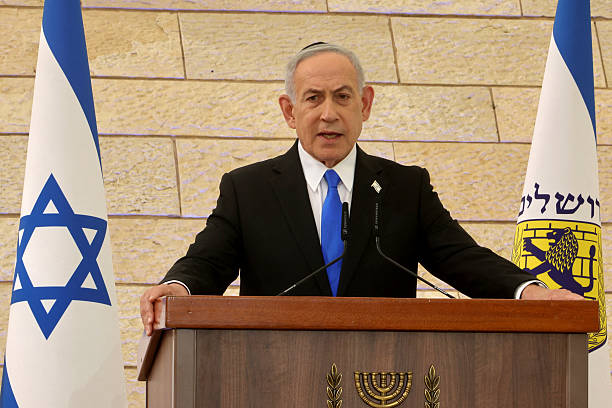

Israeli Prime Minister Benjamin Netanyahu has publicly disclosed that he was treated for early-stage prostate cancer, revealing the diagnosis during a sensitive period marked by military tensions with Iran and regional ceasefire discussions. The announcement immediately drew global attention because it intersects health, leadership stability, and one of the most volatile geopolitical conflicts in the world.
What Netanyahu Announced
According to statements released Friday, Netanyahu said doctors discovered a malignant tumor during a routine medical checkup. He stated that he underwent targeted treatment that successfully removed the issue and that no trace of the cancer remains. Netanyahu also said he is currently in good health and strong physical condition.
At 76 years old, the Israeli leader emphasized that the cancer was caught early, which significantly improves treatment outcomes in most prostate cancer cases.
Why the Diagnosis Was Kept Private
Netanyahu reportedly delayed releasing his annual health report for around two months. He said the decision was made to avoid giving Iran an opportunity to use the information for propaganda during the height of the conflict.
That timing is especially significant because Israel has faced escalating security pressures, including military operations involving Iran and broader regional instability.
Political Impact on Israel
Whenever a sitting prime minister reveals a serious medical condition, questions naturally arise about leadership continuity, decision-making, and succession planning.
For Israel, this matters even more because Netanyahu remains one of the country’s most influential and polarizing leaders. His government has been navigating:
- Security threats linked to Iran
- Regional ceasefire negotiations
- Domestic political divisions
- Ongoing legal and corruption trial issues
Any health concerns involving the prime minister can quickly become both a political and national security story.
What Is Prostate Cancer?
Prostate cancer develops in the prostate gland and is one of the more common cancers affecting men, especially older men. Many early-stage cases are highly treatable when detected through regular screenings and follow-up exams.
Netanyahu’s statement that the condition was discovered early and treated successfully aligns with why routine monitoring can be important.
International Reactions
Global leaders and analysts are watching closely because Netanyahu’s health can affect diplomatic momentum, military planning, and ceasefire negotiations across the Middle East. Even temporary health issues for major world leaders often create uncertainty in active conflict zones.
Public Transparency Debate
The announcement also revives a common debate: how much should elected leaders disclose about their health, and when?
Supporters may argue Netanyahu acted responsibly by avoiding strategic weakness during wartime. Critics may argue the public deserves timely transparency regarding a leader’s medical condition.
That debate is likely to continue.
Bottom Line
Benjamin Netanyahu’s prostate cancer announcement comes at a moment when Israel faces enormous military and political pressure. While he says the cancer has been successfully treated, the timing of the disclosure adds another layer of complexity to an already tense regional situation.
For now, Netanyahu insists he is healthy and fully capable of leading—but the world will continue watching both his health and the broader Middle East crisis.