
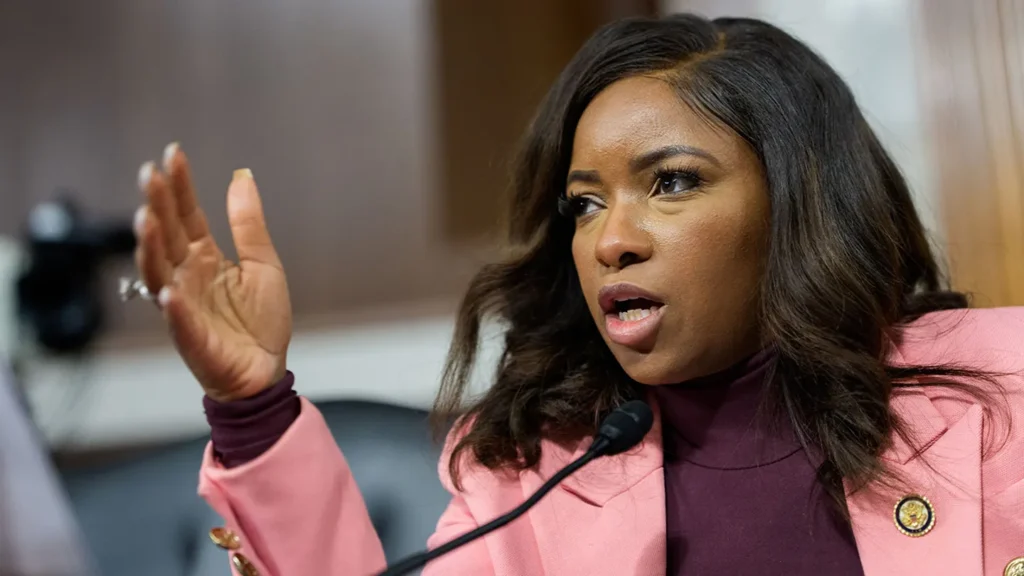

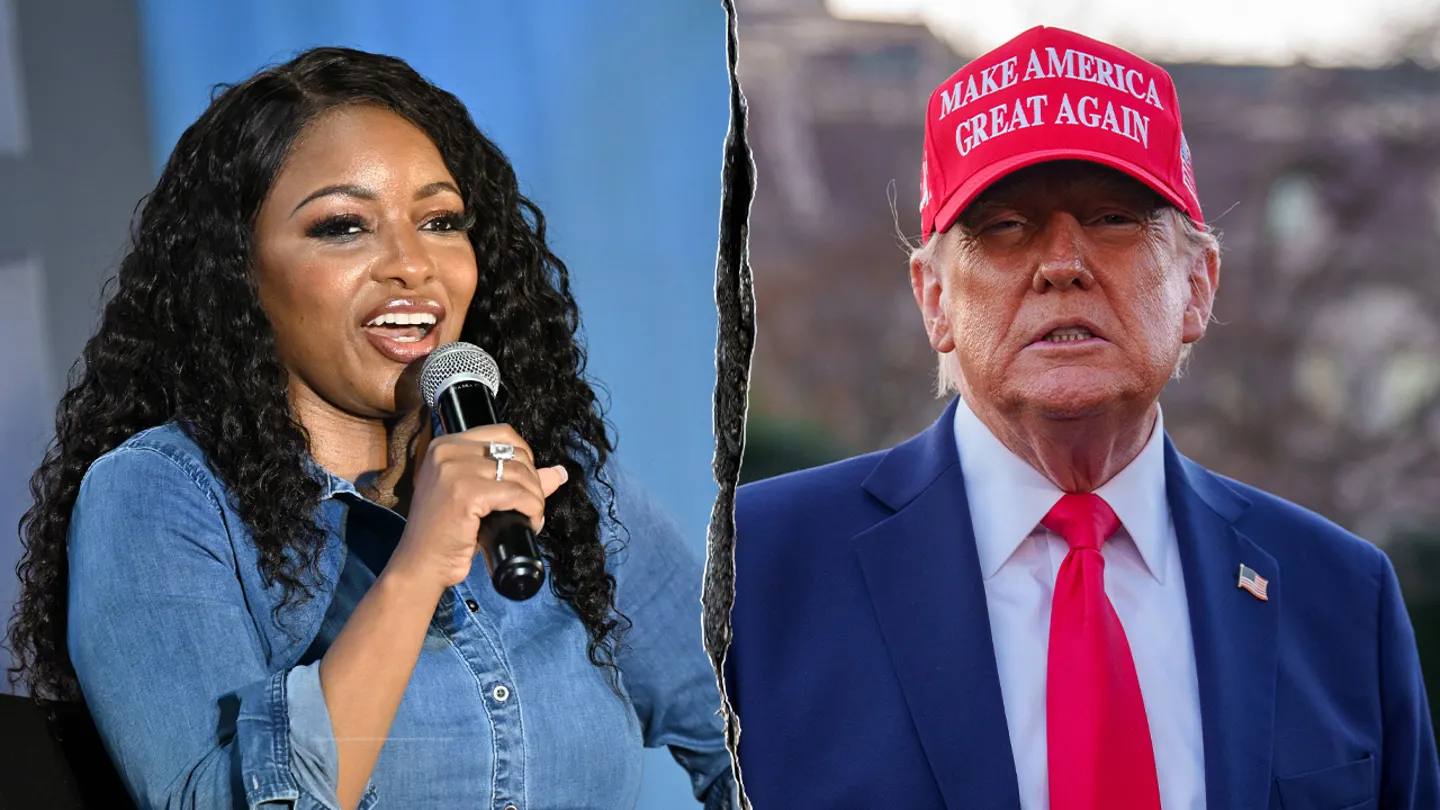
In a political climate filled with speculation and anxiety, Jasmine Crockett has made headlines after stating she does not expect Donald Trump to cancel the upcoming 2026 midterm elections. The comment, made during a livestream, addresses a growing narrative circulating among political commentators and voters alike.
Crockett’s Key Statement: No “Cancellation” Expected
During a recent public discussion, Crockett responded directly to concerns that Trump might attempt to halt or interfere with the democratic process. She clarified that she does not believe such a scenario is likely, noting that elections in the United States are largely controlled at the state and local levels, making a unilateral cancellation extremely difficult.
However, she also acknowledged broader concerns about executive overreach, pointing out that some actions taken during Trump’s presidency have raised questions about institutional checks and balances.
Why Are People Talking About Canceling Elections?
The concern didn’t come out of nowhere. Reports and political rhetoric in recent months have fueled speculation about election interference:
- Trump previously floated the idea of canceling elections, though aides later claimed he was joking.
- Discussions about federal control over voting systems and increased security at polling stations have sparked debate.
- Political commentators and public figures have amplified fears of democratic backsliding.
These developments have contributed to heightened public anxiety as the 2026 elections approach.
Understanding the 2026 Midterm Elections
The 2026 U.S. midterm elections are a major political event that will determine control of Congress:
- All 435 House seats and 35 Senate seats are up for election
- Several gubernatorial and local races will also shape the political landscape
- The elections are scheduled for November 3, 2026
Midterms are historically significant because they often serve as a referendum on the sitting president—in this case, Trump’s second term.
Political Context: Rising Tensions and Real Stakes
Crockett’s comments come amid an already heated political environment:
- Early primaries in states like Texas and North Carolina are already shaping the race for control of Congress
- Analysts warn that Republicans could face challenges holding their majority due to shifting voter sentiment
- Democratic and Republican leaders continue to clash over voting laws, election security, and public trust
Crockett herself has been a vocal critic of Trump, frequently raising concerns about democratic norms and governance.
Reality Check: Can a President Cancel Elections?
From a legal and constitutional standpoint, a U.S. president cannot simply cancel federal elections:
- Election dates are set by federal law and the Constitution
- States administer elections independently
- Any major change would require Congressional approval and likely face Supreme Court challenges
This is why Crockett’s comments align with legal experts who view such fears as politically charged but structurally unlikely.
What This Means for Voters
Crockett’s remarks may help cool fears among voters, but they also highlight a deeper issue: trust in democratic systems.
As misinformation and political rhetoric continue to spread, voters are left navigating a complex landscape of fact, opinion, and speculation. The real takeaway isn’t just whether elections could be canceled—it’s how narratives around democracy influence public confidence.
Next Steps
While concerns about election integrity remain a hot topic, Jasmine Crockett’s statement reinforces a key point: the U.S. electoral system is designed with multiple layers of protection.
Still, with the 2026 midterms approaching, political tensions are unlikely to ease anytime soon.