


Golf legend Tiger Woods is once again at the center of a high-profile legal battle—this time over privacy rights and prescription drug records tied to his recent DUI case. The situation is raising major questions about athlete accountability, medical privacy, and the legal limits of criminal investigations.
What Happened: DUI Arrest Sparks Legal Showdown
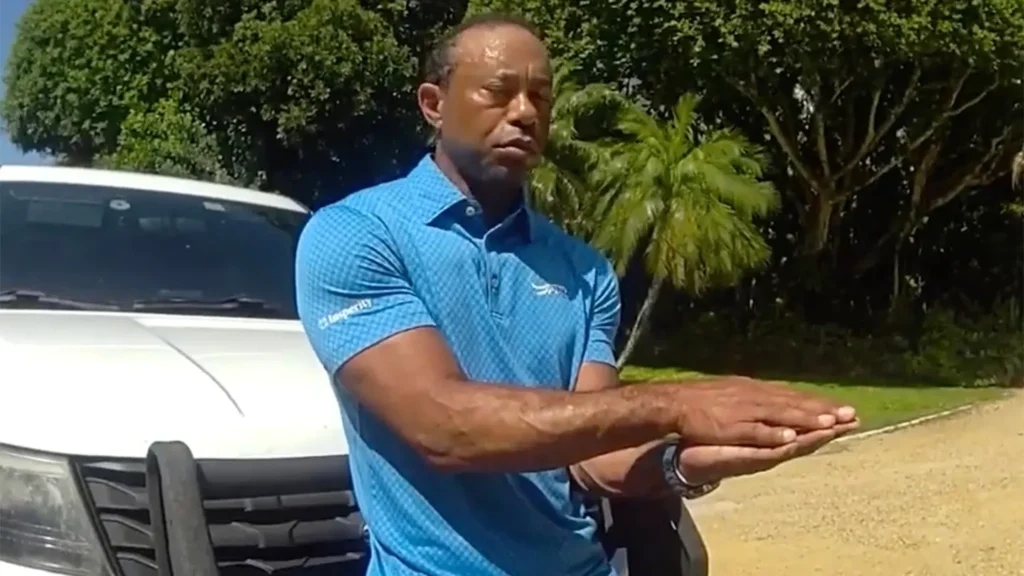
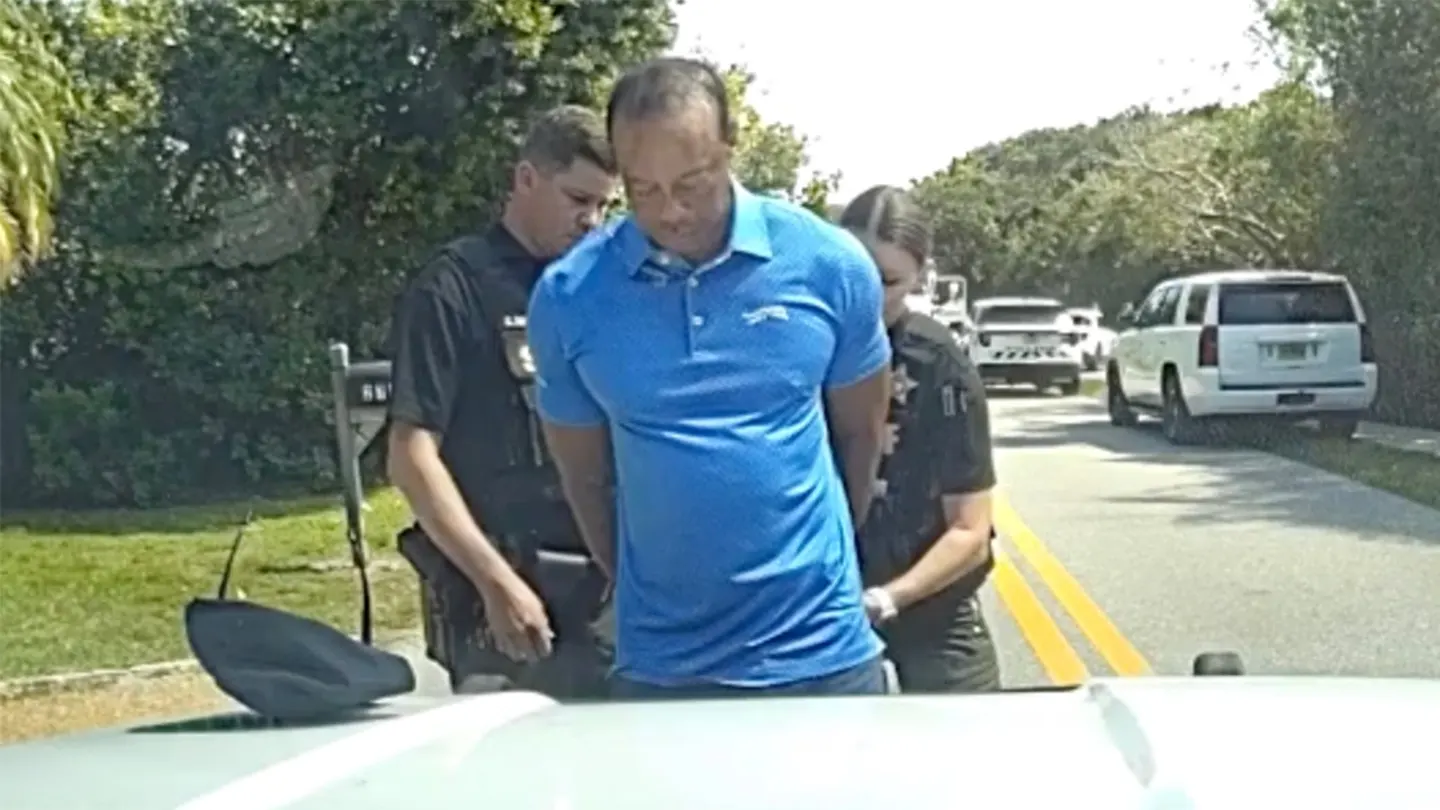
The controversy stems from a March 2026 car crash in Florida, where Woods was arrested on suspicion of driving under the influence following a rollover accident. Authorities reported signs of impairment, although a breathalyzer test showed no alcohol in his system.
Instead, the case has focused on possible prescription drug use, after officers reportedly found medication on him and noted unusual behavior during the arrest.
Woods has pleaded not guilty to the charges and is seeking to fight the case in court.
The Core Issue: Prosecutors Want Prescription Records
Prosecutors are now pushing to subpoena detailed records from a Florida pharmacy, including:
- Types of medications prescribed
- Dosages and refill frequency
- Instructions and warnings (especially related to driving)
These records could potentially help determine whether Woods was impaired due to legally prescribed drugs at the time of the crash.
Woods’ Defense: A Fight for Privacy Rights
Woods’ attorney, Douglas Duncan, is pushing back hard—arguing that the subpoena violates his client’s constitutional right to medical privacy.
According to court filings:
- The defense argues the request is overly broad
- Prosecutors must prove the records are relevant to the case
- A judge should first decide whether access is justified
“This right is not absolute,” Duncan acknowledged, but the state must justify any intrusion into private medical data.
The legal team is also seeking a protective order to limit who can see the records—even if the subpoena is approved.
Why This Case Matters Beyond Tiger Woods
This isn’t just about one athlete—it touches on bigger legal and ethical questions:
1. Medical Privacy vs Criminal Investigations
How far can prosecutors go when seeking sensitive health data? This case could set a precedent for future DUI and drug-related cases.
2. Prescription Drugs and DUI Laws
Unlike alcohol, prescription medications create a gray area. Even legally prescribed drugs can impair driving, making cases harder to prove—and defend.
3. Public Figures and Legal Scrutiny
As one of the most famous athletes in the world, Woods’ case highlights how celebrity status amplifies legal battles, often turning them into public debates.
Key Details From the Arrest
- Woods’ vehicle rolled over after a crash involving another vehicle
- He allegedly showed signs of impairment but had zero alcohol detected
- He declined certain chemical tests, adding complexity to the case
- He later announced plans to seek treatment and step away from golf temporarily
What Happens Next?
The next major step is a court hearing to determine whether prosecutors can legally access Woods’ prescription records.
Possible outcomes include:
- Subpoena approved → prosecutors gain access to key medical data
- Subpoena denied → limits the state’s evidence in the DUI case
- Restricted access → records are reviewed privately under court supervision
The decision could significantly shape the direction of the case—and potentially influence similar legal battles nationwide.
Bottom Line
Tiger Woods’ DUI case is no longer just about a crash—it’s evolving into a landmark dispute over privacy, prescription drugs, and the justice system.
As the court weighs the balance between individual rights and legal accountability, the outcome could have lasting implications far beyond golf.