

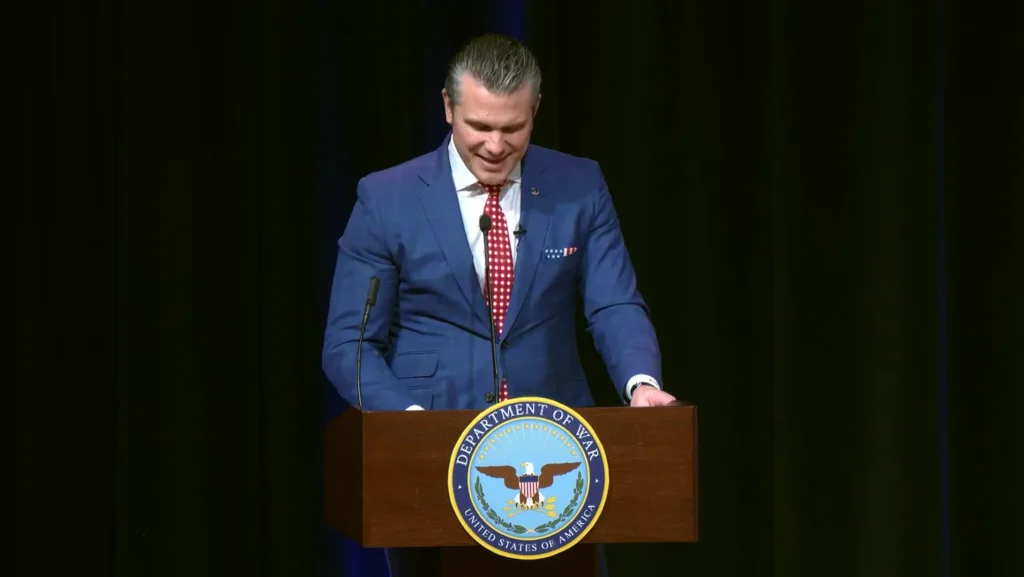

U.S. Defense Secretary Pete Hegseth is facing growing scrutiny after a Pentagon worship service where he delivered a prayer that critics say blended biblical passages with language closely resembling a fictional film monologue. The controversy has sparked wider debate about religion, military messaging, and political rhetoric inside government institutions.
The discussion was amplified after reporting from A Public Witness and other outlets highlighted how the prayer appears to draw heavily from multiple sources—including scripture and pop culture.
What Happened at the Pentagon Service?
During a scheduled worship service at the Pentagon, Hegseth led a prayer that referenced Old Testament imagery and imprecatory psalms—passages that describe divine judgment on enemies.
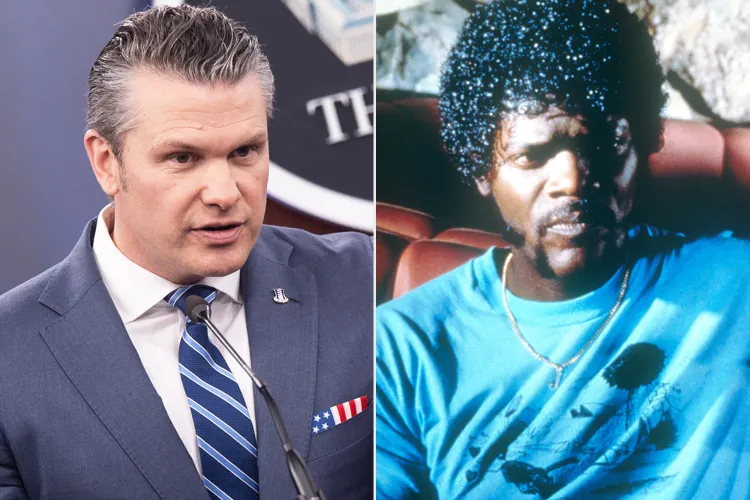
However, critics quickly pointed out something unusual: large portions of the prayer closely resemble a famous speech from the 1994 film Pulp Fiction, delivered by Samuel L. Jackson’s character.
That speech itself is loosely inspired by a stylized interpretation of biblical verse Ezekiel 25:17—but in the film, it is not a literal scripture reading.
The result is a layered controversy involving:
- Biblical language (Psalms and prophetic texts)
- A cinematic reinterpretation of scripture
- A modern military prayer setting
The “Borrowed Violence” Debate
A major focus of the criticism is how the prayer frames violence and enemies.
According to reporting, the prayer included phrases emphasizing:
- “wrath” and divine judgment
- “breaking the teeth of the ungodly”
- removal or destruction of “wicked” opponents
Supporters argue these come from traditional biblical passages often used in religious liturgy. Critics, however, argue the tone and combination of texts create an intensified message of divine-approved violence, rather than reflection or moral guidance.
Where the Prayer Draws From
Analysts and theologians note the prayer appears to combine:
- Imprecatory Psalms (calls for judgment against enemies)
- Military-themed Old Testament passages
- Paraphrased or adapted scripture language
- Elements resembling pop culture reinterpretation of Ezekiel 25:17
This mix has led some observers to describe it as a “collage” or “mashup” of texts rather than a traditional prayer.
Why This Is Causing Political Backlash
The controversy is not just about wording—it touches on deeper concerns:
1. Religion in Government Spaces
Critics argue that using strongly theological language in official military events risks blurring the line between faith and state institutions.
2. The Tone of Military Rhetoric
The imagery of divine violence and judgment has raised questions about how military actions are framed spiritually.
3. Christian Nationalism Debate
Some commentators see the prayer as part of a broader pattern of religious framing in U.S. defense policy discussions.
Broader Context: Rising Religious Framing in Politics
This incident comes amid increasing discussion about how religion is used in U.S. political and military discourse. Reporting from multiple outlets suggests a growing trend of officials using scripture not just for reflection—but as justification for national security narratives.
This has intensified debates about:
- Civil-military boundaries
- Religious symbolism in government
- The role of personal belief in public office
What Happens Next?
So far, there has been no formal disciplinary action announced. However:
- The Pentagon has faced questions from media outlets
- Legal and religious organizations are monitoring the situation
- The story continues to circulate across political and religious commentary platforms
Bottom Line
The controversy surrounding Pete Hegseth’s Pentagon prayer highlights a larger cultural tension: how religious language is interpreted when used in state power settings.
Whether viewed as traditional scripture use or as an inappropriate blending of violent imagery and pop culture, the incident has become a flashpoint in ongoing debates about faith, politics, and military identity in the United States.
External Links
- https://publicwitness.wordandway.org/p/hegseth-borrows-violent-prayer-from
- https://wordandway.org/2026/04/03/pete-hegseths-war-prayer/
- https://www.theguardian.com/us-news/2026/apr/16/hegseth-pulp-fiction-ezekiel-prayer
- https://www.people.com/pete-hegseth-biblical-prayer-pulp-fiction-monologue-11951524