

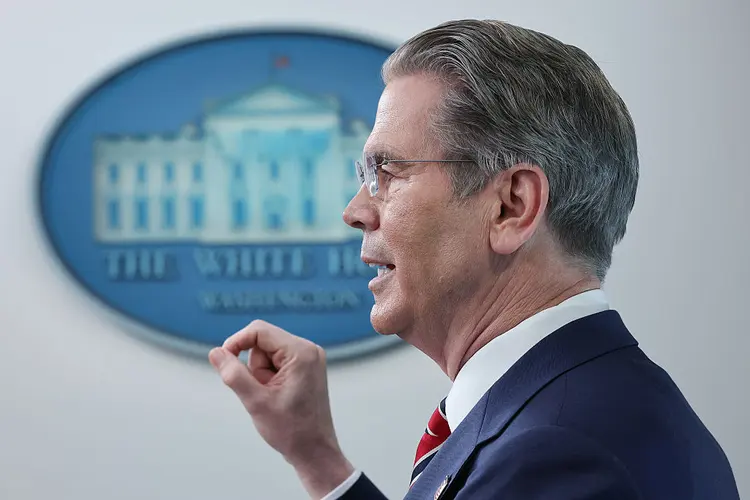

The Trump administration is moving toward a controversial new policy that could require U.S. banks to collect citizenship information from all customers, according to recent statements from Treasury Secretary Scott Bessent. The proposal, currently described as “in process,” has triggered debate over immigration enforcement, privacy rights, and access to financial services.
Reports indicate the executive order would expand banking identification requirements beyond current “Know Your Customer” (KYC) rules, potentially reshaping how Americans open and maintain bank accounts.
What the Proposed Executive Order Says
Treasury Secretary Scott Bessent confirmed that the administration is working on an executive order requiring banks to collect citizenship data from customers as part of broader immigration enforcement efforts.
Under the reported plan, financial institutions may be required to:
- Request citizenship or immigration status documents
- Collect additional identity verification beyond current standards
- Apply these requirements to both new and existing account holders
Officials have described the move as part of a broader effort to strengthen oversight of the financial system and reduce fraud linked to immigration enforcement priorities.
Why the Government Says It Is Doing This
Supporters of the proposal argue it is about national security and financial transparency.
Bessent has said the U.S. should have clearer visibility into “who is in our banking system,” comparing the approach to stricter residency tracking systems used in countries like the U.K.
The administration’s broader immigration strategy has focused on:
- Reducing illegal immigration
- Strengthening identity verification systems
- Preventing financial fraud and misuse of banking services
How This Differs From Current Banking Rules
Right now, U.S. banks already follow strict KYC and anti–money laundering regulations. These typically require:
- Government-issued ID (such as a driver’s license or passport)
- Social Security number or taxpayer ID
- Proof of address
However, citizenship status is not currently required for opening or maintaining a bank account in the United States. The proposed executive order would therefore represent a major policy shift.
Concerns From Experts and Critics
The proposal has sparked concern from legal scholars, banking professionals, and civil rights advocates.
1. Privacy Risks
Critics argue that collecting citizenship data could expand government surveillance over financial activity.
2. Banking Access Issues
Some experts warn that individuals unable to easily prove citizenship could face:
- Account freezes
- Denied access to banking services
- Increased financial exclusion
3. Legal Uncertainty
There are questions about whether an executive order alone can enforce such sweeping changes, especially given existing financial privacy protections.
Impact on Banks and Customers
If implemented, the policy could force banks to overhaul compliance systems. That may include:
- Updating onboarding procedures
- Re-verifying existing customers
- Managing large-scale documentation requests
Industry analysts suggest this could create significant administrative costs and potential friction for customers, particularly those with long-standing accounts.
Political and Policy Context
The proposal aligns with broader Trump administration efforts to tighten immigration enforcement using multiple federal systems, including:
- Financial oversight
- Tax reporting systems
- Interagency data sharing
Supporters see it as a security upgrade. Critics view it as a step toward linking financial access with immigration status, a move they argue could have far-reaching social consequences.
What Happens Next
As of now:
- The executive order has not been formally signed or implemented
- Treasury officials say it remains “in process”
- Banking institutions and regulators are reportedly reviewing potential impacts
The final shape of the policy will likely depend on legal review, industry feedback, and possible court challenges.
The proposed requirement for banks to collect citizenship information represents one of the most significant potential changes to U.S. financial regulation in years. While supporters frame it as a security measure, critics warn it could blur the line between immigration enforcement and financial access.
As the policy develops, it is expected to remain a major flashpoint in debates over privacy, immigration, and government authority.
External Links
- https://www.reuters.com/business/finance/trump-administration-considers-action-requiring-banks-collect-citizenship-info/
- https://www.wsj.com/politics/policy/trump-administration-considers-action-requiring-banks-collect-citizenship-info-8e26f6d2
- https://www.nytimes.com/ (related policy coverage)
- https://www.cato.org/blog/know-citizenship-says-trump-banks