

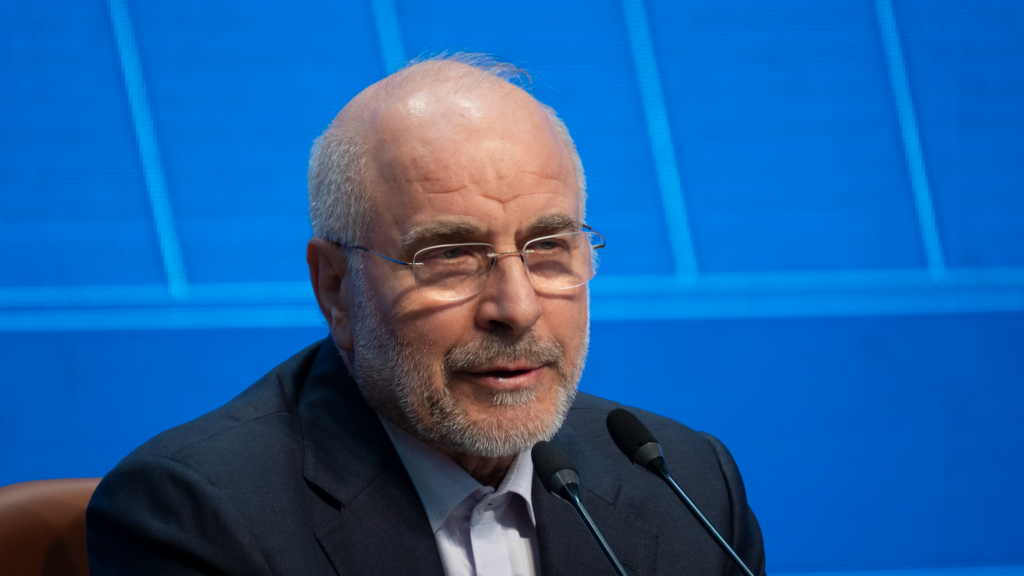

Tensions between the United States and Iran have intensified again after a top Iranian leader publicly threatened further escalation and accused President Donald Trump of making seven false claims in just one hour during recent remarks.
The sharp exchange comes at a fragile moment in Middle East diplomacy, with ongoing disputes over sanctions, military pressure, and maritime security continuing to unsettle global markets.
What the Iranian Leader Said
According to state-linked reports, the senior Iranian official criticized Trump’s recent statements on Iran policy, calling them misleading and provocative.
The leader reportedly accused Trump of spreading seven falsehoods related to:
- Iran’s military intentions
- Nuclear negotiations
- Shipping access in the Gulf
- U.S. sanctions effectiveness
- Iran’s regional alliances
- Ceasefire discussions
- Economic pressure claims
The official warned that if pressure continues, Iran could respond with stronger retaliatory measures.
Why This Matters Now
The comments come shortly after Trump stated that U.S. pressure measures and blockades would remain in place until a broader deal is reached.
That has created a tense diplomatic standoff where:
- Washington says pressure is necessary for peace
- Tehran says pressure equals aggression
- Markets fear sudden escalation
Any sharp rhetoric from either side can move oil prices and impact investor confidence.
What Could “Escalation” Mean?
Iranian officials often use the term broadly. It can refer to several possible actions:
1. Military Posturing
Expanded naval patrols or missile readiness in the Gulf.
2. Nuclear Program Moves
Increasing uranium enrichment or limiting inspections.
3. Regional Proxy Pressure
Greater support for allied militias in Iraq, Syria, Lebanon, or Yemen.
4. Economic Countermeasures
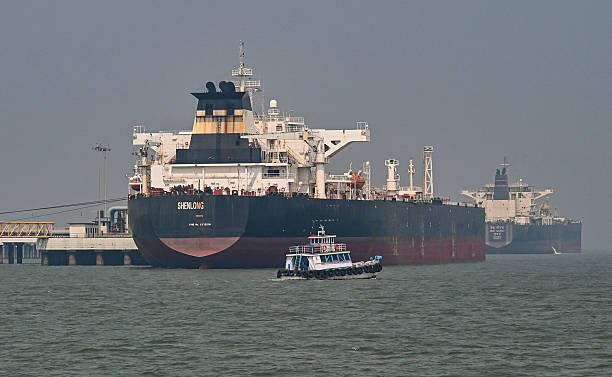
Disrupting shipping routes or targeting energy flows indirectly.
At this stage, no immediate new action has been officially announced.
Why Trump Was Targeted Personally
Iran frequently frames disputes around U.S. presidents rather than institutions, and Trump remains a central figure because of:
- Prior withdrawal from the nuclear deal
- Expanded sanctions campaigns
- Military strikes during earlier administrations
- Current blockade and pressure policies
By accusing Trump of making multiple false claims, Tehran appears to be trying to undermine his credibility internationally.
Global Impact: Oil and Security Risks
Whenever U.S.-Iran tensions spike, markets pay attention because Iran sits near critical energy routes.
Possible impacts include:
- Rising oil prices
- Higher shipping insurance costs
- Increased military alert levels
- Nervous stock markets
Even verbal threats can create volatility if traders believe conflict risks are increasing.
Diplomatic Outlook
Despite harsh rhetoric, both sides often use public messaging as leverage before negotiations.
Possible next steps include:
- Backchannel talks through intermediaries
- Tougher sanctions announcements
- Symbolic military moves
- Limited de-escalation statements
Much depends on whether either side wants a deal—or wants leverage first.
Why This Story Is Trending
This headline gained attention because it combines:
High-Stakes Geopolitics
Any U.S.-Iran clash can have worldwide consequences.
Direct Personal Attack on Trump
Accusing a U.S. president of seven lies in one hour is designed to grab headlines.
Threat of Escalation
Markets and allies watch closely when Iran uses that language.
Bottom Line
The latest clash between a top Iranian leader and Donald Trump shows how quickly diplomacy can shift into confrontation. While accusations and threats are common tools in geopolitical disputes, they also carry real risks when tensions are already high.
For now, the world will be watching whether this remains a war of words—or becomes something more serious.