

Germany is reportedly preparing major reforms to its labor policies, including tighter sick leave rules and renewed criticism of the growing four-day workweek trend, as officials warn that absenteeism is placing pressure on the country’s economy.
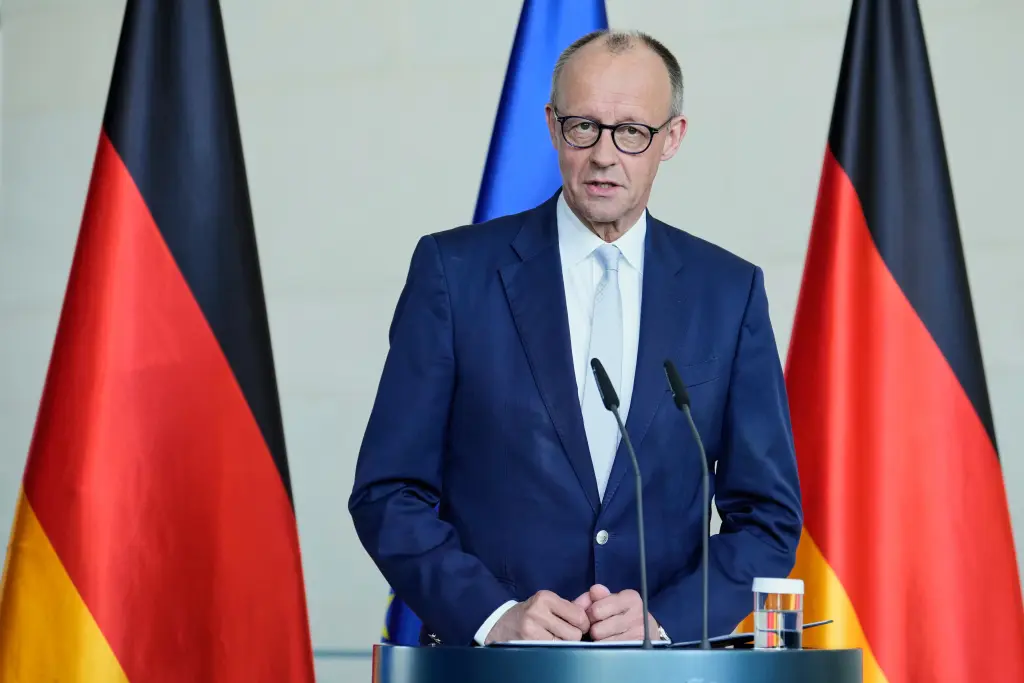
According to reports, Chancellor Friedrich Merz’s government is exploring measures that could significantly reshape how sick leave is handled in one of Europe’s most worker-protective labor systems.
What Changes Are Being Considered?
Under the proposals being discussed, employers could potentially:
- Deduct pay from the first day of sick leave in some cases
- Introduce bonus incentives for employees with low absence rates
- Tighten rules around short-term illness claims
Germany currently allows workers up to six weeks of paid sick leave per illness at full salary, making it one of the most generous systems in Europe.
The proposed changes would represent a major shift toward reducing employer costs and discouraging short-term absences.
Why Germany Is Targeting Sick Leave Now
The push for reform comes amid concerns over rising absenteeism and weak economic growth.
Key reported concerns include:
- German workers averaging around 14.8 sick days per year
- Estimated billions in lost productivity annually
- Growing strain on businesses facing labor shortages
Officials argue that frequent absences are hurting competitiveness and slowing economic recovery.
Supporters of reform say stricter rules could help:
- Boost productivity
- Reduce employer costs
- Encourage healthier workplace attendance habits
Four-Day Workweek Under Fire
Alongside sick leave reforms, German leaders are also criticizing the increasing popularity of the four-day workweek.
Chancellor Merz has argued that reduced working hours may not support long-term prosperity, warning that Germany must maintain higher productivity levels to remain economically competitive.
However, the debate is far from settled:
- Proponents say shorter workweeks can maintain output while improving wellbeing
- Critics argue reduced hours may worsen labor shortages and slow growth
This creates a growing tension between work-life balance policies and economic performance goals.

Germany’s Current Sick Leave System (How It Works Now)
At present, Germany has one of the strongest worker protection systems in the world:
- Employees receive 100% pay for up to 6 weeks per illness
- Employers cover the full cost during that period
- After 6 weeks, health insurance typically provides reduced benefits
This system is widely seen as highly protective but also expensive for employers.
Economic Debate: Productivity vs Worker Protection
The heart of the debate is not just about sick days—it’s about Germany’s economic model.
Government concern:
- Too many absences reduce output
- Businesses face rising labor costs
- Productivity is lagging behind expectations
Worker and union concern:
- Cutting sick pay could force ill employees to work
- May increase burnout and spread of illness
- Could weaken long-standing labor protections
Experts warn that stricter rules may improve attendance statistics but could also lead to “presenteeism,” where sick workers remain on the job and reduce overall productivity.
What Happens Next?
No final law has been passed yet. The proposals are still under discussion, meaning:
- Legislative drafts may still change
- Political opposition and labor unions are expected to respond strongly
- Any reform would likely face parliamentary debate before approval
For now, the proposals signal a clear shift in tone: Germany is reassessing its traditionally worker-friendly policies in favor of economic competitiveness.
Germany’s debate over sick leave and the four-day workweek reflects a broader global tension between worker wellbeing and economic productivity.
If implemented, these reforms could mark one of the most significant changes to German labor policy in decades—reshaping how work, illness, and productivity are balanced in Europe’s largest economy.