


The U.S. State Department is warning American travelers about growing security risks across parts of the Middle East as regional tensions continue to escalate. Officials are urging U.S. citizens to carefully review travel advisories before making travel plans and to remain alert while visiting countries throughout the region.
The warning comes amid increased geopolitical uncertainty and concerns about potential disruptions affecting transportation routes, public safety, and critical infrastructure. The State Department has emphasized that conditions can change rapidly and that travelers should closely monitor developments before and during their trips.
Multiple Countries Under Elevated Travel Advisories
According to current State Department guidance, several Middle Eastern nations remain under heightened travel advisories. Countries including Bahrain, Israel, Jordan, Kuwait, Oman, Qatar, Saudi Arabia, and the United Arab Emirates are currently listed under “Reconsider Travel” advisories, while Iran, Iraq, Lebanon, Syria, Gaza, and Yemen remain under the highest “Do Not Travel” designation.
Officials say the warnings are tied to concerns involving terrorism, regional conflicts, civil unrest, missile threats, and the possibility of rapidly changing security conditions. Travelers are encouraged to understand the specific risks associated with each destination before departure.
Strait of Hormuz Remains a Key Concern
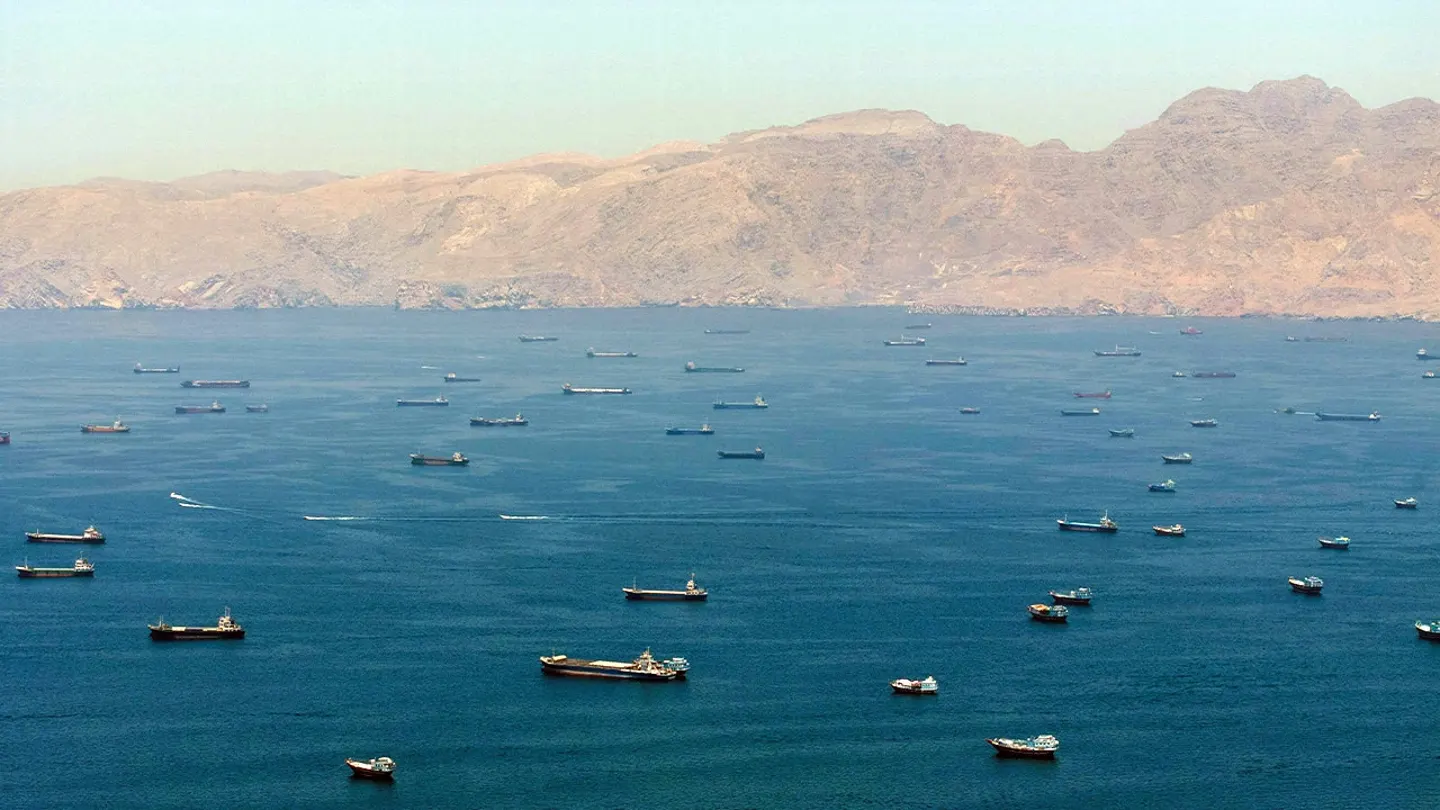
One of the major areas of concern highlighted by officials is the strategically important Strait of Hormuz, a critical maritime passage that plays a significant role in global trade and energy transportation. Any escalation of tensions in this area could affect commercial shipping, aviation routes, and regional stability.
Security experts note that disruptions in the region can have far-reaching consequences beyond the Middle East, affecting international travel, global markets, and diplomatic relations worldwide.
State Department Urges Increased Vigilance
The State Department continues to advise Americans worldwide to exercise increased caution, particularly in regions where U.S. interests or facilities may become targets during periods of heightened tensions. Officials recommend that travelers remain aware of their surroundings, avoid large gatherings when possible, and stay informed through local news and embassy updates.
Americans traveling abroad are also encouraged to enroll in the Smart Traveler Enrollment Program (STEP), which provides safety alerts and helps U.S. embassies communicate with citizens during emergencies.
Travel Industry Monitoring Situation Closely
Airlines, tour operators, and international travel agencies are closely monitoring developments across the region. While many destinations remain open to visitors, travel experts advise purchasing flexible travel arrangements and reviewing travel insurance policies before departure.
Industry analysts say that uncertainty surrounding regional security could influence tourism patterns throughout 2026, particularly among travelers considering visits to historic and culturally significant destinations in the Middle East.
What Travelers Should Do Before Visiting
Before traveling, experts recommend:
- Reviewing the latest U.S. State Department travel advisories.
- Registering with the STEP program.
- Monitoring local news and security updates.
- Keeping emergency contact information readily available.
- Having contingency plans in case of travel disruptions.
- Confirming airline routes and potential schedule changes.
As geopolitical tensions continue to evolve, U.S. officials are encouraging travelers to remain informed and cautious when visiting the Middle East. While many destinations continue to welcome tourists, staying aware of changing security conditions is essential for ensuring a safe and enjoyable trip. Travelers should regularly consult official government guidance and make informed decisions based on the latest available information.