


Tensions between Iran and the United States are rising again after Iran’s new security chief warned that any further U.S. action could trigger an “earthquake-like” response across the region.
Mohsen Rezaei, Iran’s newly appointed security chief, also warned Gulf countries against joining President Donald Trump’s economic campaign against Tehran, saying countries that cooperate with Washington could face consequences.
The warnings come as the Trump administration continues to pressure Iran economically and maintains a hard-line position over the strategically vital Strait of Hormuz.
The latest threats add another layer of uncertainty to a conflict that has already disrupted energy markets, shipping and security across the Middle East.
Iran Warns Trump Against Further Escalation
Rezaei issued one of Tehran’s strongest warnings yet, saying that if Trump takes additional action against Iran, the confrontation could become much more severe.
Iran’s security leadership has increasingly emphasized retaliation as the country’s preferred response to additional American pressure.
The warning suggests that Tehran does not intend to simply absorb additional sanctions or military pressure without responding.
For Washington, the challenge is determining how far it can increase pressure without triggering a broader regional conflict.
Tehran Threatens Gulf Countries
Iran has also expanded its warnings to neighboring Gulf states.
Rezaei said countries surrounding Iran could be treated as enemies if they join what Tehran describes as America’s economic war.
He warned that Iran could attempt to prevent oil from leaving the Persian Gulf and potentially target alternative export routes if regional governments actively assist Washington.
Such a development could have consequences far beyond the Middle East.
The Persian Gulf remains one of the world’s most important energy corridors, making any disruption potentially damaging to global oil markets.
The Strait of Hormuz Remains at the Center of the Crisis
Few issues are more important to the current confrontation than the Strait of Hormuz.
The narrow waterway connects the Persian Gulf with the Gulf of Oman and the Arabian Sea.
A significant portion of the world’s seaborne oil and liquefied natural gas normally passes through the strait.
The ongoing conflict has sharply disrupted shipping through the area, creating concerns about energy supplies and transportation costs.
Iran has maintained that the waterway will remain restricted until the United States meets its demands.
Trump Has Taken a Hard Line on Hormuz
Trump has repeatedly demanded that Iran allow shipping through the Strait of Hormuz.
Earlier in the conflict, he threatened to destroy Iranian power plants if Tehran failed to reopen the waterway.
The president later issued additional warnings that future Iranian attacks on commercial shipping could result in American strikes against bridges or power plants.
Those threats have raised fears that an attack on Iranian energy infrastructure could lead to retaliation against American or allied infrastructure across the region.
Iran Has Warned of Regional Energy Disruption
Iran’s threats are not limited to American military targets.
Tehran has indicated that it could retaliate against energy infrastructure or shipping routes if it believes Gulf countries are assisting Washington.
That creates a difficult situation for governments such as Saudi Arabia, the United Arab Emirates, Kuwait, Qatar and Bahrain.
These countries have close security and economic relationships with the United States but also have enormous economic interests in maintaining stable energy exports.
Why Hormuz Matters to the Global Economy
The Strait of Hormuz is one of the world’s most strategically important waterways.
When shipping through the strait is disrupted, the effects can quickly spread beyond the Middle East.
Oil prices can rise as traders anticipate shortages.
Shipping companies may redirect vessels.
Insurance costs can increase.
Governments may be forced to release strategic petroleum reserves or seek alternative energy supplies.
For consumers, prolonged disruption can eventually mean higher fuel and transportation costs.
Iran’s Economic Situation Is Also Under Pressure
The military confrontation has occurred alongside severe economic pressure on Iran.
U.S. sanctions have targeted Iranian oil revenues and other sources of income.
Trump’s administration has increasingly emphasized economic pressure as a tool for forcing Tehran to change its behavior.
Iran, however, argues that Washington is attempting to use economic warfare to weaken the country and force political concessions.
That disagreement remains one of the biggest obstacles to a lasting settlement.
Trump’s “Economic D-Day” Strategy
The latest U.S. strategy increasingly focuses on Iran’s financial system and ability to generate revenue.
Rather than relying exclusively on military strikes, Washington has sought to pressure Tehran through sanctions and restrictions on its economic activity.
Trump has described the strategy in increasingly aggressive terms, warning Iran that continued resistance could bring even greater economic consequences.
The administration’s goal appears to be forcing Iranian leaders back toward negotiations while limiting Tehran’s ability to finance military operations.
Iran Says It Will Not Surrender
Iranian officials have repeatedly rejected the idea that sanctions or military threats will force Tehran to capitulate.
Instead, Iranian leaders have argued that resistance is necessary to protect the country’s sovereignty.
The government’s rhetoric has hardened as the conflict has continued.
Iran’s military and security officials have also warned that attacks against Iranian infrastructure could trigger retaliation against American interests and regional partners.
The Conflict Has Entered a Dangerous Phase
The latest developments illustrate why the conflict remains difficult to resolve.
Both sides have publicly expressed interest in ending the war or reaching an agreement at various points.
At the same time, neither Washington nor Tehran appears willing to accept terms that could be interpreted domestically as surrender.
That leaves the region caught between diplomacy and escalation.
Diplomacy Has Not Completely Disappeared
Despite the increasingly hostile rhetoric, diplomatic channels remain possible.
Earlier negotiations produced an interim memorandum intended to address the conflict and Iran’s nuclear program.
However, the agreement failed to resolve major disagreements, particularly over the Strait of Hormuz, sanctions and military activity.
By mid-August, the deadline associated with the agreement had passed without a comprehensive settlement.
The collapse of that diplomatic effort has made the current situation more unpredictable.
Iran’s Military Posture Is Changing
Iran has signaled that it is prepared to adopt a more offensive military strategy.
That change comes after the expiration of the temporary diplomatic framework and amid continued U.S. pressure.
Iranian officials have warned that the country’s response could extend beyond traditional battlefield targets if Washington escalates further.
The possibility of attacks against infrastructure and shipping is particularly concerning for neighboring states.
The Risk to Gulf Countries
The Gulf states face an uncomfortable choice.
They depend heavily on American military protection while also maintaining economic relationships with Iran and other regional powers.
If a Gulf country is perceived by Tehran as actively assisting the United States, it could become vulnerable to retaliation.
That could include threats against military installations, ports, energy facilities or shipping routes.
Even the possibility of such attacks can have major economic consequences.
Global Oil Markets Are Watching Closely
Oil traders are paying close attention to every development around Hormuz.
Any major disruption to the waterway could immediately affect expectations about global energy supplies.
Even without a complete closure, attacks on commercial vessels can increase insurance and transportation costs.
Those costs can eventually filter through to consumers.
A prolonged crisis could therefore contribute to higher gasoline, diesel and other energy prices around the world.
Trump Faces a Difficult Choice
The Trump administration faces a strategic dilemma.
Increasing military pressure could force Iran to make concessions.
But it could also encourage Tehran to retaliate against American forces, Gulf partners or commercial shipping.
Reducing pressure, meanwhile, could be interpreted by Iran as a sign that Washington is unwilling to sustain the economic and military costs of the confrontation.
That leaves Trump with limited room for error.
Iran Faces Its Own Difficult Choices
Tehran is also under significant pressure.
The country’s economy has been damaged by sanctions, disrupted trade and the broader consequences of war.
At the same time, Iranian leaders face domestic pressure to demonstrate strength.
Backing down too quickly could be portrayed by opponents as capitulation.
Continuing the confrontation, however, risks deeper economic damage.
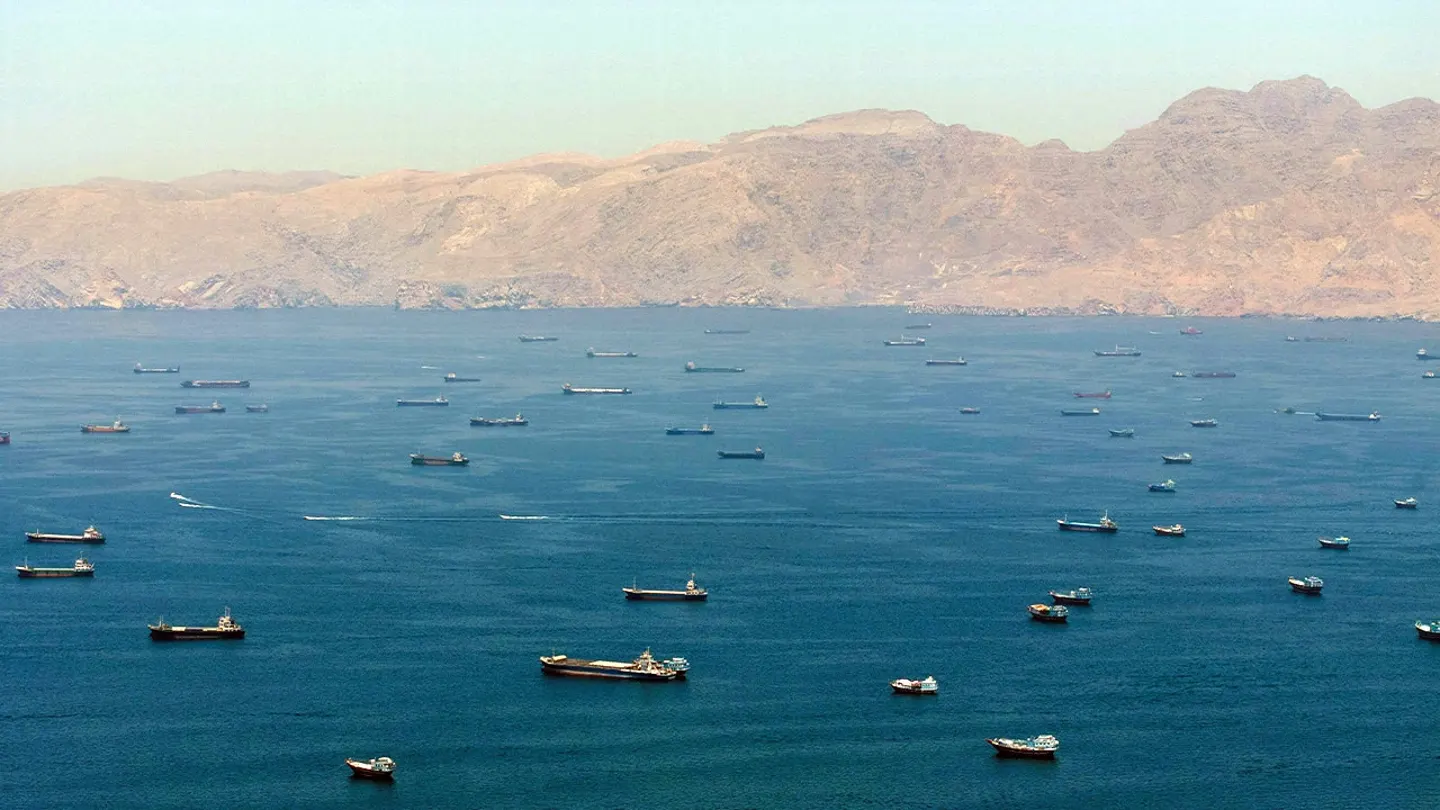
Could the Strait of Hormuz Become the Next Major Flashpoint?
The Strait of Hormuz remains one of the most dangerous potential triggers for further escalation.
Iran says it has the ability to restrict shipping.
The United States insists that international navigation must remain open.
Those competing positions create the possibility of direct confrontation between Iranian forces and U.S. or allied naval assets.
Any major incident involving a commercial vessel could rapidly escalate the situation.
What Happens Next?
The next phase of the Iran-US conflict could depend on whether either side returns to serious negotiations.
For now, the rhetoric remains confrontational.
Iran is warning against further American action.
Trump continues to apply economic pressure and has repeatedly threatened military consequences.
Meanwhile, Gulf countries are attempting to avoid becoming directly involved in the conflict.
The coming weeks could therefore determine whether the crisis moves toward diplomacy or another major escalation.
What We Know So Far
The latest developments include:
- Iran’s security chief has threatened an “earthquake-like” response to further U.S. action.
- Tehran has warned Gulf countries against joining Trump’s economic campaign.
- Iran has threatened wider disruption to oil exports if regional states assist Washington.
- The Strait of Hormuz remains a central point of confrontation.
- Trump has repeatedly threatened Iranian energy infrastructure.
- Washington continues to use sanctions and economic pressure against Tehran.
- Iran has adopted a more aggressive military posture.
- Previous diplomatic efforts have failed to produce a lasting agreement.
- Global energy markets remain vulnerable to further disruption.
The Bigger Picture
The Iran-US conflict is no longer simply a dispute between two governments.
Its consequences are being felt across the Persian Gulf and throughout the global economy.
Any significant disruption to oil and gas shipments could affect countries thousands of miles away.
Shipping companies, airlines, manufacturers and consumers could all face higher costs if the conflict continues to disrupt energy supplies.
That is why the latest threats from Tehran and Washington are being watched so closely around the world.
Moving Forward
The Iran-US war has entered another dangerous phase as Tehran threatens severe retaliation if President Donald Trump escalates the conflict.
Iran’s warnings toward Gulf countries are particularly significant because they raise the possibility that the confrontation could spread beyond direct U.S.-Iran military operations.
At the center of the crisis remains the Strait of Hormuz, one of the world’s most important energy corridors.
Trump continues to demand that Iran allow shipping to move freely, while Tehran insists that its restrictions will remain until Washington meets its conditions.
For now, diplomacy remains possible, but the increasingly aggressive rhetoric from both sides leaves little margin for error.
The biggest question is whether Washington and Tehran can find a path back to negotiations before another military incident turns the current confrontation into an even wider regional crisis.