

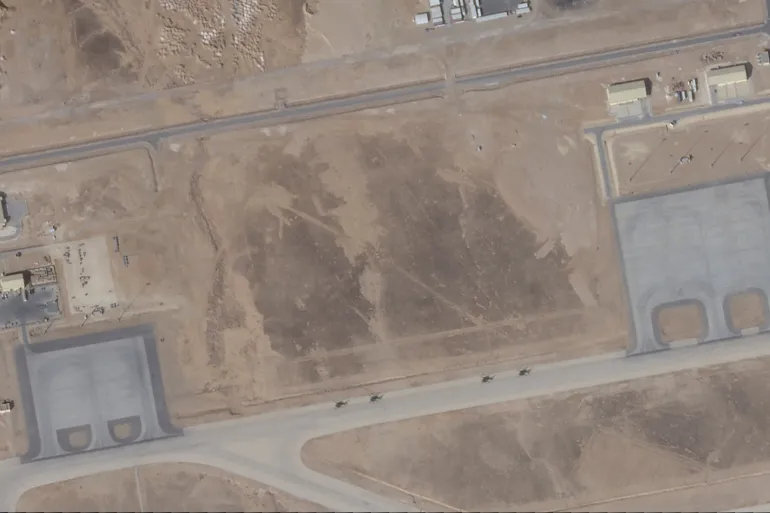


The United States has carried out a new military strike against Iran, targeting two Iranian rocket launchers on Larak Island near the Strait of Hormuz, in the first known direct U.S. attack on Iran in several weeks.
According to U.S. officials, the launchers were being prepared by forces belonging to Iran’s Islamic Revolutionary Guard Corps (IRGC) to fire rockets carrying sea mines into the strategically important waterway.
The attack has immediately raised concerns about another major escalation in the conflict between Washington and Tehran.
Iran has vowed to respond, with the IRGC saying the attack resulted in deaths and injuries among military personnel and civilians.
The development threatens to end a fragile period of relative calm and could once again place the Strait of Hormuz at the center of the conflict.
Why Did the U.S. Strike Larak Island?
U.S. officials said American forces observed Iranian military personnel preparing to launch rockets equipped with sea mines toward the Strait of Hormuz.
The United States responded by striking two launchers before they could reportedly be used.
The attack was significant because the Larak Island operation represents the first confirmed direct U.S. military strike against Iran since late July.
The Pentagon’s decision demonstrates that Washington remains prepared to use military force if Iranian activity is viewed as threatening international shipping or U.S. interests.
Larak Island’s Strategic Importance
Larak Island sits in the Persian Gulf near the Strait of Hormuz, one of the most important maritime chokepoints in the world.
The island’s location makes it strategically valuable because military forces operating there can potentially monitor and influence shipping moving through the waterway.
The Strait of Hormuz connects the Persian Gulf with the Gulf of Oman and the Arabian Sea.
Approximately one-fifth of the world’s oil supplies normally pass through the region, making any threat to shipping a concern for the global economy.
Iran Vows Retaliation
Iran has strongly condemned the American strike.
The Islamic Revolutionary Guard Corps said several people were killed or wounded and promised what it described as punishment for the aggressor.
Iranian officials have not provided a complete breakdown of the casualties.
The threats nevertheless indicate that Tehran does not intend to let the attack pass without a response.
Iran Launches Missiles Toward U.S. Forces
The confrontation escalated further after Iran launched ballistic missiles toward U.S. military forces stationed in Jordan, according to reports.
Jordanian forces reportedly intercepted multiple incoming missiles.
The exchange marks a significant escalation because it extends the immediate consequences of the Larak Island strike beyond Iran’s borders.
It also demonstrates how quickly a confrontation involving a relatively small target can develop into a wider regional crisis.
A Fragile Lull Has Been Broken
The Larak Island strike comes after several weeks in which the United States had refrained from launching direct attacks against Iranian targets.
That pause had created some hope that the conflict might be moving toward a more limited phase.
Instead, the latest strike has reopened the possibility of sustained military escalation.
The United States had increasingly focused on economic pressure against Iran after earlier military operations, but Washington’s latest action shows that military options remain on the table.
The Strait of Hormuz Is the Main Flashpoint
The latest confrontation is closely tied to the continuing dispute over the Strait of Hormuz.
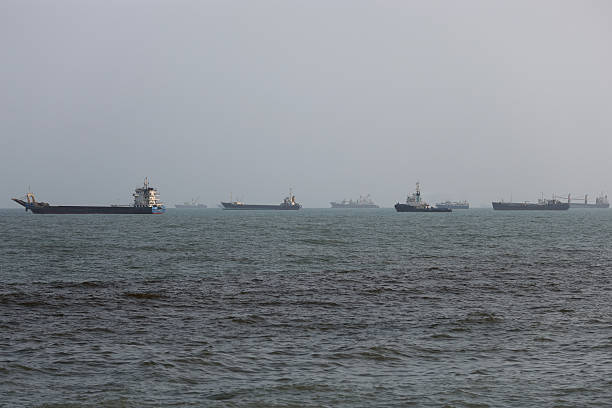
The waterway has been severely disrupted during the conflict, affecting commercial shipping and global energy markets.
The United States has worked to clear mines from the area and has warned Iran against attempting to place additional mines.
President Donald Trump has previously threatened to respond forcefully to any new Iranian effort to mine the waterway.
The Larak Island strike appears to have been directly connected to that warning.
Why Sea Mines Are So Dangerous
Sea mines can pose a major threat to commercial shipping and naval vessels.
Even the possibility that mines have been placed in a busy international shipping lane can cause shipping companies to avoid the area.
That can lead to:
- Higher insurance costs
- Longer shipping routes
- Increased fuel expenses
- Delays in international trade
- Higher oil transportation costs
- Rising energy prices
The threat therefore extends well beyond the military battlefield.
Global Oil Markets React
The renewed fighting has already affected global energy markets.
Oil prices rose as investors reacted to the possibility of renewed disruption around the Strait of Hormuz.
Brent crude and West Texas Intermediate futures both moved higher following reports of the American strike and the renewed tensions.
If the conflict expands and shipping through the Strait is further restricted, energy prices could rise considerably.
That could affect gasoline, diesel, airline fuel, manufacturing and transportation costs around the world.
Trump Faces Another Major Decision
President Trump now faces a difficult strategic choice.
The United States has demonstrated that it is willing to attack Iranian military assets if Washington believes Tehran is threatening the Strait of Hormuz.
But another round of attacks could provoke additional Iranian retaliation.
That could potentially draw American forces deeper into the conflict.
Trump has previously signaled that he wants to maintain pressure on Iran while avoiding unnecessary military commitments that could consume U.S. resources.
The Larak Island incident puts that strategy under renewed pressure.
Iran Could Expand Its Response
Iran has several potential avenues for retaliation.
The country could target U.S. military facilities, allied bases, commercial shipping or other American interests in the region.
Iran also maintains relationships with armed groups throughout the Middle East.
That creates the possibility that a response could occur in more than one location.
The missile launches toward U.S. forces in Jordan demonstrate that Tehran is capable of responding beyond the immediate area of the original attack.
Gulf Countries Are Watching Closely
Countries surrounding the Persian Gulf have strong reasons to be concerned.
Saudi Arabia, the United Arab Emirates, Qatar, Bahrain, Kuwait and Oman all have important economic and security interests tied to the region.
A wider conflict could threaten ports, energy infrastructure, shipping routes and military facilities.
Even if these countries avoid direct involvement, they could still experience the economic consequences of a prolonged conflict.
The Risk to Commercial Shipping
Commercial vessels remain particularly vulnerable.
The Strait of Hormuz is a critical route for oil tankers and other ships carrying goods between the Persian Gulf and international markets.
When military tensions increase, shipping companies may decide that traveling through the area is too risky.
Some vessels may be forced to wait offshore or take longer alternative routes.
The result can be higher transportation costs and further pressure on already disrupted supply chains.
Could This Lead to a Wider War?
The latest exchange raises serious concerns about a broader regional conflict.
The immediate sequence is already significant:
- U.S. forces strike Iranian launchers on Larak Island.
- Iran vows retaliation.
- Iran launches missiles toward U.S. forces in Jordan.
- Regional governments increase security measures.
- Global energy markets react to the renewed fighting.
The danger is that each side could respond to the other’s actions with increasingly aggressive military measures.
That cycle can make diplomatic de-escalation much more difficult.
Diplomacy Becomes More Difficult
The new fighting also complicates any potential diplomatic negotiations.
The United States and Iran have struggled to find common ground over military activity, sanctions, Iran’s nuclear program and the Strait of Hormuz.
A new exchange of attacks makes it politically harder for either government to make concessions.
Leaders on both sides could face domestic pressure to demonstrate strength rather than compromise.
The Bigger Economic Threat
The biggest global economic concern may not be the Larak Island strike itself.
The greater concern is what happens if fighting spreads across the Strait of Hormuz.
A sustained disruption could affect one of the world’s most important energy corridors.
Higher oil prices would likely increase costs across numerous industries.
Airlines, trucking companies, manufacturers and consumers could all eventually feel the effects.
What Happens Next?
The immediate question is whether Iran will carry out additional attacks following its missile response.
The United States will also have to decide whether further Iranian activity requires another military response.
Any additional strikes could create another cycle of retaliation.
Meanwhile, regional governments and international shipping companies will be watching the Strait of Hormuz closely.
The next few days could therefore be critical.
What We Know So Far
The key developments include:
- The U.S. military struck two Iranian rocket launchers on Larak Island.
- The launchers were reportedly operated by Iran’s Revolutionary Guard.
- U.S. officials said the launchers were being prepared to fire rockets carrying sea mines.
- The targets were located near the strategic Strait of Hormuz.
- The attack was the first known direct U.S. strike against Iran since late July.
- Iran reported deaths and injuries among military personnel and civilians.
- The IRGC vowed retaliation.
- Iran subsequently launched ballistic missiles toward U.S. forces in Jordan, according to reports.
- Jordanian forces intercepted multiple missiles.
- Oil prices rose amid renewed concerns about disruptions to energy shipping.
- The Strait of Hormuz remains the central strategic flashpoint.
Why the World Is Watching
The Larak Island strike is much larger than a single military operation.
It represents a return to direct U.S.-Iran military confrontation after a period of reduced activity.
It also highlights the continuing importance of the Strait of Hormuz to global security and the world economy.
If the current escalation remains limited, both sides may still have an opportunity to step back.
But if additional attacks occur, the conflict could quickly expand across the region.
The Bottom Line
The U.S. strike on Iran’s Larak Island has dramatically increased tensions between Washington and Tehran.
American forces targeted two Iranian rocket launchers after observing preparations to launch rockets carrying sea mines into the Strait of Hormuz, according to U.S. officials.
Iran responded with threats of retaliation and subsequently launched missiles toward U.S. forces in Jordan, according to reports.
The incident has shattered a fragile lull in direct U.S.-Iran fighting and once again placed the Strait of Hormuz at the center of the conflict.
For the global economy, the greatest concern is the potential disruption of energy shipments through the strategic waterway.
For the United States and Iran, the immediate challenge is preventing another cycle of retaliation from developing into a much wider war.
The coming days could determine whether the Larak Island strike remains an isolated military action—or becomes the beginning of another major escalation across the Middle East.